
Flowers
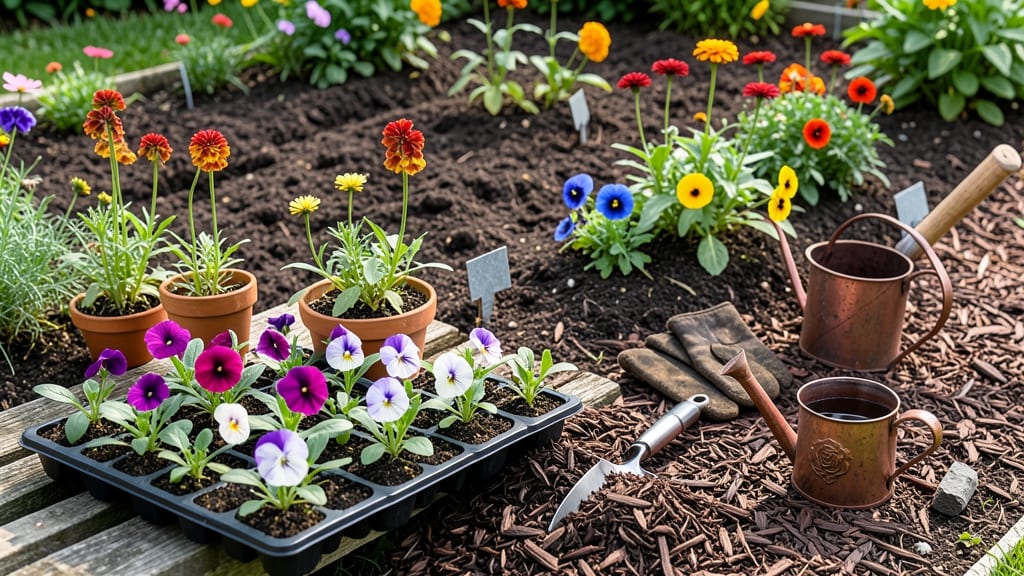
Planting flowers in Seattle might seem tricky with its mix of rainy springs and mild summers, but getting the timing right means year-round color—from early spring blooms to late-fall perennials.
The key is working with the city’s cool, wet climate and knowing when to tuck in frost-tender annuals or let hardy perennials settle in for the long haul.
For most gardeners here, the ideal window stretches from late March through May for spring planting, while fall lovers can still tuck in cool-season favorites like pansies and sweet peas until early October.
But don’t just follow a calendar—watch for soil warmth (around 50°F) and last-frost dates (usually mid-April) to avoid frost damage.
Whether you’re dreaming of bold summer annuals or low-maintenance perennials, Seattle’s microclimates mean timing matters. Urban heat islands near downtown can push back frost dates, while windy coastal areas might need extra protection.
I’ll break down exactly when to plant for maximum blooms—plus pro tips to keep your garden thriving all season.
Ready to transform your yard into a showstopping flower display**? Let’s dive into the perfect planting schedule for your Seattle zone—no guesswork required.
Seattle’s best flower planting calendar: cool-season flowers timeline
Seattle’s cool, damp climate makes timing everything for cool-season flowers the secret to success. Unlike warmer regions, spring and fall are your prime planting windows here, with pansies, sweet peas, and snapdragons thriving when temperatures hover between 40°F and 70°F.
The challenge? Seattle’s microclimates—like the Puget Sound’s coastal chill versus the Eastside’s slightly warmer pockets—can shift ideal planting dates by weeks.
For most of Western Washington, last frost dates typically land around mid-April, but coastal areas like Bainbridge Island can see frost lingering until early May. Meanwhile, the Eastside (like Bellevue) might warm up faster, giving you a 2-week head start for heat-sensitive annuals.
Always test your soil—it should be at least 50°F before planting to avoid stunted growth from cold roots.
Here’s your month-by-month guide to planting cool-season flowers, tailored to Seattle’s zones and weather quirks:
Pro tip: Sweet peas need a trellis—plant their seeds 6–8 inches apart in early spring for vertical growth. Meanwhile, pansies and violas handle Seattle’s cool, rainy springs like champs, blooming nonstop from March to June. For longer fall color, pair them with calendula, which tolerates light frosts.
Don’t forget soil drainage—Seattle’s heavy clay can suffocate roots. Amend with compost or coconut coir before planting, and always choose well-draining containers for urban balconies. A 5-gallon pot works for single pansies, while sweet peas need at least 12 inches of depth to support their vines.
If you’re in a windy coastal zone, like West Seattle, stake tall flowers like hollyhocks or delphiniums early—they’ll thank you with sturdy stems come summer.
For Eastside gardeners, you might even squeeze in a late-May planting of cosmos or zinnias for summer color, though these are technically warm-season lovers.
Remember: Fall planting is just as critical as spring. By September 15, many cool-season annuals will have <
Warm-season flowers in Seattle: when to plant for summer blooms
Seattle’s short summers might not scream "heat-loving flowers," but with the right timing, you can still grow geraniums, zinnias, and marigolds that thrive in our mild climate. The trick? Planting after the last frost date (mid-April) and using containers or row covers to extend the season when temperatures dip.
Warm-season flowers like zinnias and sunflowers need consistent warmth to bloom, so don’t rush them into cold soil. Instead, wait until the soil reaches 60°F—usually late May in most of Seattle.
Urban areas like Ballard or Capitol Hill may warm up faster than windy coastal spots like West Seattle, so adjust accordingly.
🌱 Numbered Highlights: Seattle Warm-Season Planting Guide
- 📅 Late May (Post-Last Frost): Plant heat-loving annuals like zinnias, marigolds, and cosmos in full-sun spots (6+ hours/day). Use black plastic mulch to warm soil faster.
- 🪴 Container Gardening Hack: Grow petunias or geraniums in pots—move them to sunny balconies during the day and shelter them at night if temps drop below 50°F.
- ☀️ Extend the Season: Use floating row covers to protect plants until June 1, then remove for pollinators. Ideal for sensitive varieties like dahlias.
- 💧 Watering Tip: Water deeply 2x/week (morning only) to prevent fungal issues. Avoid overhead watering after sunset.
- 🌿 Soil Prep: Amend beds with compost and perlite for drainage—Seattle’s clay soil can suffocate roots. Test pH (aim for 6.0–7.0).
For container gardens, start seeds indoors in early April to transplant after the last frost. Choose compact varieties like ‘Thumbelina’ zinnias or ‘Proven Winners’ petunias, which handle Seattle’s cool nights better than standard types.
If you’re in a windy coastal area, opt for sturdy plants like black-eyed Susans or wind-resistant salvias. Add windbreaks (like bamboo fencing) to protect delicate blooms. For urban heat islands (e.g., Pioneer Square), plant drought-tolerant options like lantana or verbena.
Don’t forget to deadhead spent blooms regularly—this encourages longer flowering in short summers. By late August, start planning for fall: pinch back perennials like coneflowers to promote bushier growth next season.
With these tips, your Seattle garden can burst with summer color—even if the weather plays by its own rules. Happy planting! 🌻