
Plants
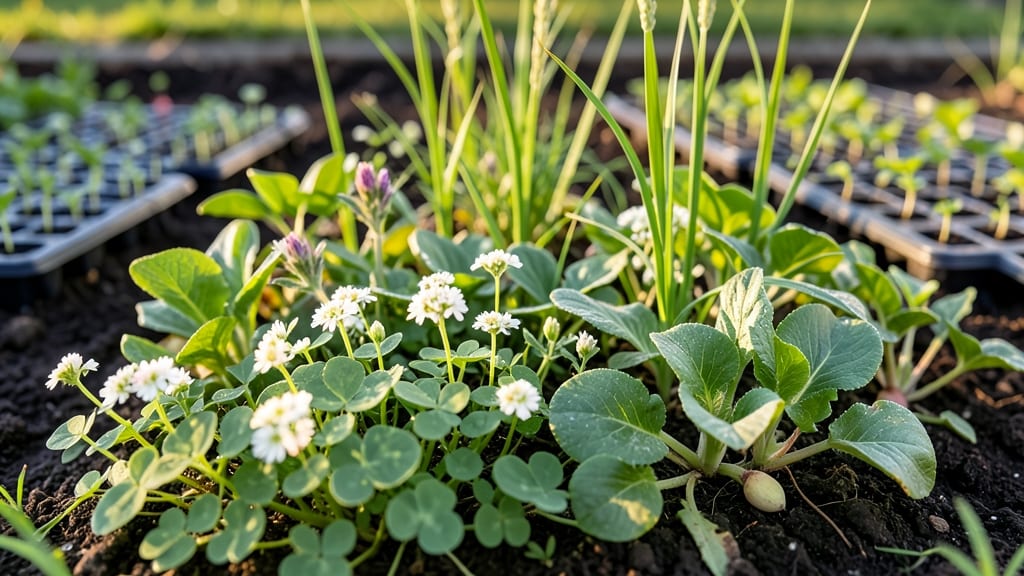
Planting your 🦌 Food Plots for Deer at the wrong time in Georgia could mean sparse forage when bucks are bulking up for the rut—while perfect timing ensures lush, protein-rich plots that keep deer coming back all season.
In USDA Zones 7b-8a, the best windows are late summer to early fall (August-October) and early spring (February-March), aligning with deer feeding patterns. These months give you the edge, whether you're planting clover for spring growth or brassicas that thrive before winter sets in.
Why does timing matter so much? Because deer rely on fresh forage during critical periods—like the rut in October or early spring when fawns need nutrition. Miss these windows, and you might end up with overgrown weeds instead of a hunter's dream plot.
I’ll walk you through the exact planting schedule, soil prep tips, and maintenance routines that keep your food plots thriving year-round—so you’re always one step ahead of the herd.
Optimal Georgia food plot planting months by season for maximum deer impact
Georgia’s USDA Zones 7b-8a offer a 180-day growing window for food plots, but deer feeding patterns demand precise timing. Planting too early risks frost damage, while late planting means missed rut season forage. The key is aligning cool-season and warm-season crops with deer’s natural feeding cycles.
Spring planting in March-April targets fawn season (May-June), while fall planting in August-September ensures rut season nutrition (October-November). Summer planting is limited but critical for drought-resistant forages like sorghum-sudangrass, which thrive in Georgia’s hot, humid months.
Below is your seasonal planting timeline, tailored to Georgia’s last frost (mid-March) and first frost (mid-November). Each crop is timed to maximize deer impact during their most active feeding periods.
| Season | Planting Window | Best Crops | Deer Impact Period | Key Notes |
|---|---|---|---|---|
| Spring | Late February - Early April | Clover, Winter Peas, Rye, Turnips | May - June (Fawn Season) | Plant after last frost; soil temp >50°F. |
| Summer | Late May - Early July | Sorghum-Sudangrass, Millet, Sunflowers | July - September (Pre-Rut) | Drought-tolerant; irrigate weekly if dry. |
| Fall | Mid-August - Early September | Brassicas (Radish, Kale), Winter Rye, Clover | October - November (Rut Season) | Plant 6-8 weeks before first frost. |
| Late Fall | Mid-October - Early November | Austrian Peas, Winter Wheat | December - February (Harsh Winter) | Cold-hardy; mulch for insulation. |
Spring planting in March-April is your best bet for early-season forage. Cool-season crops like clover and winter peas establish quickly, providing high-protein feed just as does begin seeking food for fawns.
Aim to plant 2-4 weeks before your last frost date—typically mid-March in Zone 7b and late February in Zone 8a.
Summer planting is often overlooked but critical for drought-resistant forages. Sorghum-sudangrass and millet thrive in Georgia’s heat and provide late-summer forage when other plots may struggle. Plant these in late May-July for peak growth before the rut season.
Fall planting is the most critical window for deer impact. Brassicas like radishes and kale planted in August-September will be at their peak when bucks are bulking up for rut. These crops also survive light frosts, extending their value into late fall.
For year-round forage, consider a multi-season approach. Plant clover in spring, sorghum in summer, and brassicas in fall to ensure deer have continuous nutrition. This strategy also reduces soil erosion and improves plot longevity.
Always test soil pH before planting—Georgia’s clay-heavy soils often need lime adjustments to reach the ideal 6.0-6.5 range. Fertilize with 10-20-10 NPK at planting and again in late summer for a nutrient boost.
Pro tip: Mulch newly planted areas with straw or wood chips to retain moisture and suppress weeds. This is especially important during Georgia’s hot, dry summers when young plants are vulnerable.
By following this seasonal planting schedule, you’ll ensure your food plots are always providing peak nutrition when deer need it most—guaranteeing healthier bucks and better hunting opportunities. 🦌🌱
Top 5 high-protein food plot crops for Georgia whitetails and their planting deadlines
Georgia whitetails rely on nutrient-rich forage during critical seasons—rut, fawn season, and winter. Planting the right high-protein crops at the perfect time ensures your food plots become a year-round buffet that keeps deer healthy and active.
The key? Aligning planting deadlines with deer feeding patterns and Georgia’s USDA Zones 7b-8a climate.
Missed deadlines mean lost opportunities. For example, planting winter peas too late could leave them vulnerable to frost, while clover sown too early may bolt before peak deer activity. Let’s dive into the top 5 crops and their exact planting windows to maximize deer impact.
Planting Deadline: Late July to Early August
Why it works: Deep taproot survives drought and provides late-season forage. Peak deer activity occurs in October-November when chicory’s bitter leaves are most palatable.
Planting Deadline: Mid-October to Early November
Why it works: High-protein pods (25%+ protein) are a fawn’s favorite in January-February. Plant after soil temps drop below 70°F to avoid bolting.
Planting Deadline: Early March to Mid-April
Why it works: Nitrogen-fixing soil improver with 20%+ protein. Deer love it during spring green-up (April-May) and again in fall after rains.
Planting Deadline: Late April to Early June
Why it works: Fast-growing summer forage (60+ days to maturity) that thrives in Georgia’s heat. Deer target it during July-August when other plots wilt.
Planting Deadline: Early September to Mid-October
Why it works: High-moisture leaves (70%+ water) are critical in drought years. Deer feast on them during rut (November) when energy demands peak.
Pro tip: Use a layered approach—plant chicory and sorghum for summer/fall, then overlap with winter peas and clover for spring. This ensures continuous forage and keeps deer on your property year-round.
For example, a September brassica plot will attract bucks during the rut, while a March clover planting provides green-up forage for does with fawns.
Timing is everything. Miss the deadlines, and you’ll watch deer pass by your plots for greener pastures. But nail these windows, and you’ll create a whitetail magnet that delivers results—healthier deer, better hunting, and a legacy of lush forage for generations. 🌱🦌