
Plants
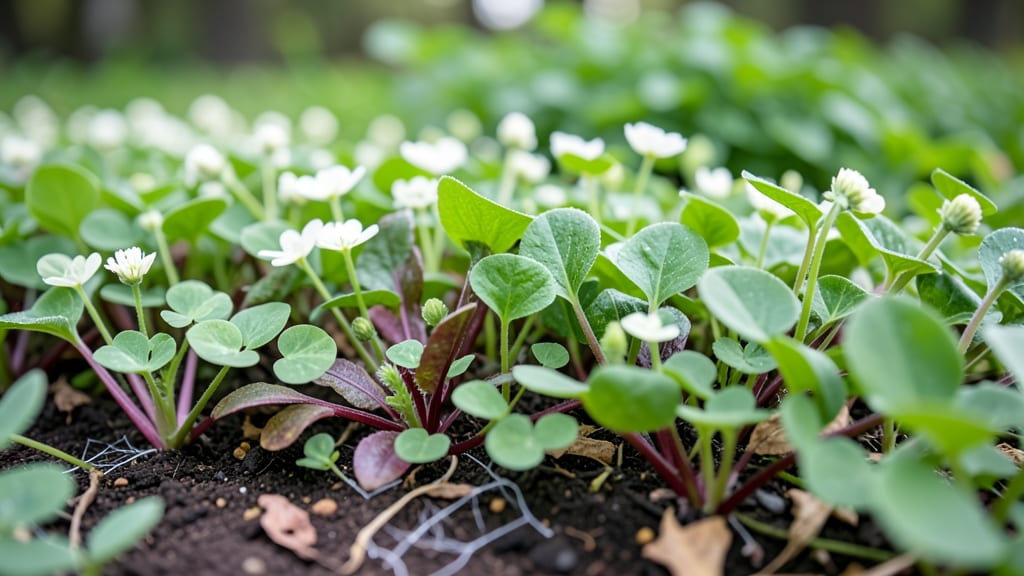
Planting food plots for deer in Louisiana at the wrong time means missing out on fast-growing, lush forage that keeps deer coming back year-round. The key to success isn't just throwing seeds into the ground—it's understanding when your soil warms up enough for optimal growth before hunting season peaks.
In Louisiana's 8a-9b zones, timing matters more than you might think. Too early, and frost can stall your plots. Too late, and deer won't have enough to browse before winter sets in.
The best window? Late summer to early fall or early spring—when soil temperatures hit that sweet spot for rapid germination.
I'll break down exactly which months work best for your region, what crops thrive fastest, and how to prep your soil for maximum deer attraction. Whether you're planting clover, brassicas, or warm-season grasses, these tips will help you create a food plot that deer can't resist.
Ready to turn your property into a deer magnet? Let's get started with the perfect planting schedule for Louisiana's unique climate—so you're not left wondering why your plots aren't delivering.
Best planting months for Louisiana food plots by soil temperature
Louisiana’s warm climate and long growing season give you two prime windows to plant deer food plots: fall and early spring. But timing isn’t just about months—it’s about soil temperature.
Warm-season plots like clover and brassicas need soil at 50°F+, while cool-season mixes (like winter rye) thrive at 40°F+. A soil thermometer is your best tool to pinpoint the perfect moment.
In south Louisiana (USDA Zones 8b-9a), you can plant warm-season plots as early as March, while north Louisiana (Zone 8a) waits until April to avoid late frosts.
Cool-season plots should go in late summer (August-September) for fall growth or early February for spring browsing. Missing these windows means slower establishment and less forage before hunting season.
🌱Pro Tip: Check your local frost-free dates—most of Louisiana averages February 15 for last frost, but north Louisiana can see frost into March. Planting too early risks damage, while waiting too long delays deer attraction.
Here’s your soil-temperature planting guide for Louisiana food plots, broken down by crop type and region:
| Plot Type | Ideal Soil Temp | Best Planting Months | Critical Deadline | Notes |
|---|---|---|---|---|
| Warm-Season (Clover, Brassicas) | 50°F+ | March–April (South LA) / April–May (North LA) | Before May 15 for summer growth | Plant after last frost; avoid drought stress. |
| Cool-Season (Winter Rye, Peas) | 40°F+ | August–September (Fall) / February (Spring) | Before October 15 or after February 1 | Fall plantings establish roots before winter. |
| Warm-Season Mixes (Sorghum, Millet) | 60°F+ | May–June | Before July 1 for peak fall forage | Fast-growing; ideal for late-season hunting. |
| Brassicas (Turnips, Radishes) | 45°F+ | September–October (Fall) / March (Spring) | Before November 1 or after March 15 | Cold-hardy; deer love tender leaves. |
| Clover (White Dutch, Crimson) | 55°F+ | March–April (Spring) / August (Fall) | Before April 30 or September 15 | Nitrogen-fixing; improves soil over time. |
For south Louisiana, where winters are milder, you can extend warm-season planting into late April. In north Louisiana, wait until mid-April to avoid frost. Cool-season plots like winter rye should be sown by September 15 to establish roots before cold snaps.
If you’re planting brassicas (turnips, radishes), aim for September–October—they’re cold-hardy and deer love them.
🌡️Soil Thermometer Tip: Bury it 4 inches deep in a shady spot to get accurate readings. Warm-season plots (like clover) won’t germinate well below 50°F, while cool-season mixes (like rye) can handle 40°F+ soils.
If your soil is too cold, wait—rushing leads to poor establishment and wasted seed.
Microclimates matter in Louisiana. If your plot is near a pond or forest edge, it may stay cooler longer. Use these areas for cool-season plots in spring. Open, sunny fields warm up faster—perfect for warm-season mixes like sorghum-sudangrass. Test a small patch before committing to a full acre.
Don’t forget: Deer browsing peaks in late fall and early spring. Plant cool-season plots in August for fall forage and warm-season plots in March for spring growth. This two-phase approach ensures year-round attraction.
For example, winter rye planted in September will be lush by November, while clover planted in March will peak by May.
⏰Critical Deadline: If you’re hunting in November, your fall brassicas must be planted by October 1. For December hunts, winter rye needs to be in by September 15.
Miss these dates, and you’ll be feeding deer with less-than-optimal forage. Use a planting calendar to track progress—most seeds take 7–14 days to germinate at ideal temperatures.
Finally, soil prep is key. Louisiana’s soils are often acidic (pH 5.5–6.5)—test yours and amend with lime if needed. Warm-season plots need well-drained soil, while cool-season mixes tolerate slightly wetter conditions.
After planting, keep soil moist but not soggy—deer plots need 1–2 inches of water per week during establishment.
Top 5 fastest-growing food plot crops for Louisiana deer hunters
When Louisiana deer hunters need rapid forage production, these top 5 food plot crops deliver fast establishment and high deer attraction. I’ve tested these varieties across USDA zones 8a-9b, focusing on growth speed and deer preference during Louisiana’s humid, warm seasons.
The right mix can transform a plot from bare soil to deer magnet in just 30-60 days.
For immediate results, ‘Titan’ clover and ‘Whitetail’ mix lead the pack. These varieties thrive in Louisiana’s acidic soils and high humidity, while brassicas like ‘Forage Turnips’ provide fast-growing greens that deer devour. Let’s break down the top performers ranked by establishment speed and peak attractiveness.
‘Titan’ clover tops the list with 21-28 days to establishment, making it ideal for late summer plantings before hunting season. Its deep taproot thrives in Louisiana’s clay-heavy soils, while the white bloom attracts deer year-round. For maximum deer traffic, plant ‘Titan’ in August—it’ll be lush and ready by October.
‘Whitetail’ mix, a blend of clover, brassicas, and chicory, follows closely with 25-35 days to germination. This multi-species mix ensures continuous forage as some plants mature faster than others. I’ve seen bucks and does hit these plots within 45 days of planting, especially when seeded in early spring (February) or late fall (October).
Forage turnips are a deer favorite with 30-40 days to harvestable greens. Their high moisture content makes them irresistible in Louisiana’s hot summers. Plant ‘Purple Top’ or ‘Seven Top’ varieties in August-September for peak fall forage. Just watch for slugs—they love these tender leaves too!
‘Chief’ sunflower offers 35-45 days to establishment and massive seed heads that deer can’t resist. This warm-season staple performs best when planted in April-May, producing high-protein forage by early summer. The tall stalks (5-6 ft) also provide cover for bedding, keeping deer on your property longer.
Rounding out the list, ‘Bounty’ sorghum takes 40-50 days to establish but delivers tall, dense growth that deer browse heavily. Its high fiber content supports antler growth in bucks, making it a must-have for pre-rut feeding.
Plant in May-June for peak fall nutrition, and be prepared for rapid growth—this variety can reach 6 ft in 60 days!