
Planting
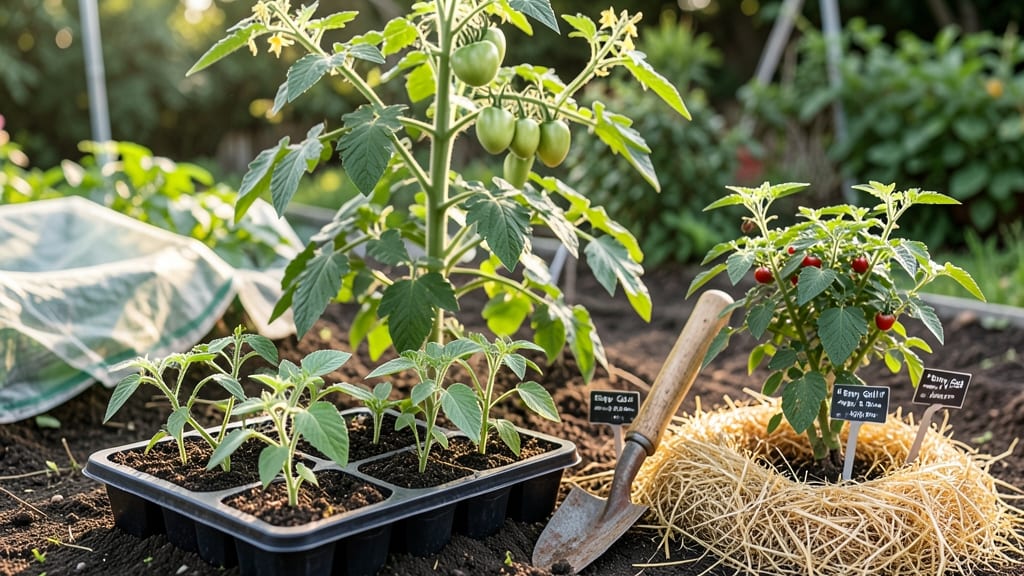
Knowing when to plant a garden in Upstate NY could mean the difference between a bountiful harvest and a sad, frost-killed 🌱 disappointment—because those unpredictable frost dates throw off even the most experienced gardeners.
You’ve probably heard the rule of thumb: plant cool-season crops like lettuce and broccoli in early spring, but Upstate NY’s 5a-6b zones demand precision.
The last frost typically hits around mid-May, but that window shifts yearly—so knowing exactly when to start seeds indoors or transplant outdoors is the key to avoiding wasted effort.
I’ll break down the optimal planting windows for everything from tomatoes to peppers, including how to adjust for early frosts or late springs. Whether you’re a first-time gardener or a seasoned pro, these tips will help you maximize your growing season—no guesswork required.
Ready to stop second-guessing and start planting with confidence? Let’s dive into the frost-free schedule that works for Upstate NY’s unique climate.
Upstate NY frost dates by zone: when to plant cool-season vs. warm-season crops
Upstate New York spans USDA Zones 4-6, where frost dates vary dramatically between the Adirondacks, Finger Lakes, and Mohawk Valley. The average last spring frost arrives between May 10-20, while the first fall frost typically hits October 10-20.
These dates create a 160-day growing season—but timing is critical for success.
Cool-season crops like lettuce and broccoli thrive in Upstate NY’s cooler months, while tomatoes and peppers need the warmth of summer. Planting too early risks frost damage, while waiting too long shortens your harvest. Let’s break down the exact frost-free windows for each region and crop type.
For gardeners in the Adirondacks (Zone 4-5), the frost-free window is shorter—typically May 20 to October 5. In contrast, the Finger Lakes (Zone 6a) enjoys a longer season, with May 10 to October 15 frost-free.
The Mohawk Valley (Zone 5b-6a) falls in between, with May 15 to October 10 as the ideal window.
Here’s a quick reference for cool-season crops like spinach, kale, and peas—plant these 4-6 weeks before your last frost date. For warm-season crops such as tomatoes, peppers, and cucumbers, wait until 2-3 weeks after the last frost to ensure soil temperatures are above 50°F.
🌱
| Region | Last Frost Date | First Frost Date | Cool-Season Planting | Warm-Season Planting |
|---|---|---|---|---|
| Adirondacks (Zone 4-5) | May 20 | October 5 | April 15-May 5 | June 1-June 15 |
| Finger Lakes (Zone 6a) | May 10 | October 15 | April 1-May 10 | May 25-June 10 |
| Mohawk Valley (Zone 5b-6a) | May 15 | October 10 | April 10-May 10 | May 30-June 5 |
🌱 Note: Adjust dates by 1-2 weeks if using row covers or cold frames.
In the Adirondacks, where nights stay chilly longer, start cool-season crops like spinach and peas indoors in March and transplant after the May 20 frost date. For warm-season crops, wait until June 1 to avoid late frosts that can devastate seedlings.
Gardeners in the Finger Lakes have a longer window to work with. You can plant lettuce and kale as early as April 1 and enjoy a second harvest in late summer by sowing succession crops every 2 weeks.
For tomatoes and peppers, start seeds indoors in April and transplant after May 25.
The Mohawk Valley offers a middle-ground climate, making it ideal for experimental planting. Try early-maturing varieties of cucumbers and zucchini as soon as soil warms
How to extend your Upstate NY gardening season: tips for early and late planting
Upstate New York’s short growing season doesn’t mean you have to settle for a small harvest. With the right strategies, you can extend your planting windows and enjoy fresh produce well into autumn—or even start earlier in spring.
The key lies in using protective structures, choosing fast-maturing varieties, and implementing succession planting. These methods can add weeks, if not months, to your growing season.
One of the most effective tools for early planting is a cold frame. These simple, low-cost structures trap heat from the sun and protect young plants from late frosts.
By placing a cold frame over seedlings, you can start planting 4-6 weeks before the average last frost date—around mid-April in most of Upstate NY. This gives you a head start on cool-season crops like lettuce, spinach, and peas.
⚠️ Numbered Highlights: Extend Your Growing Season in Upstate NY
- 1. Use row covers to protect seedlings from light frosts and extend the season by 2-3 weeks in both spring and fall.
- 2. Plant fast-maturing varieties like bush beans (50 days) or radishes (25 days) to maximize harvests.
- 3. Succession plant every 2-3 weeks for a continuous harvest of crops like lettuce and carrots.
- 4. Install a cold frame to start seeds 4-6 weeks early and protect tender plants until late spring.
- 5. Choose heat-tolerant varieties like Malabar spinach or Swiss chard for late-summer harvests.
For late-season planting, focus on heat-tolerant varieties and protective covers. Crops like Swiss chard, kale, and collard greens thrive in cooler temperatures and can be planted as late as early September.
Pair these with floating row covers to shield them from early autumn frosts. This approach can push your harvest into October, giving you fresh greens when many gardens are winding down.
Another game-changer is succession planting. Instead of planting all your seeds at once, stagger them every 2-3 weeks throughout the season. This ensures a steady supply of crops like lettuce, radishes, and beans.
For example, plant a new row of lettuce every 10 days from early May through late July. By the time the first row bolts, the later plantings will be ready for harvest.
Don’t overlook the power of mulching to regulate soil temperature. A thick layer of straw or wood chips keeps the ground cooler in summer and warmer in spring, creating a more stable environment for your plants.
Combine this with drip irrigation to maintain consistent moisture, and you’ll give your garden the best chance to thrive outside the traditional frost-free window.
With these techniques, you can transform Upstate NY’s challenging climate into an advantage. A longer growing season means more homegrown food, fewer trips to the store, and a garden that stays productive well into autumn.
Start small with one or two strategies, and gradually build your skills to maximize your garden’s potential.