
Plants
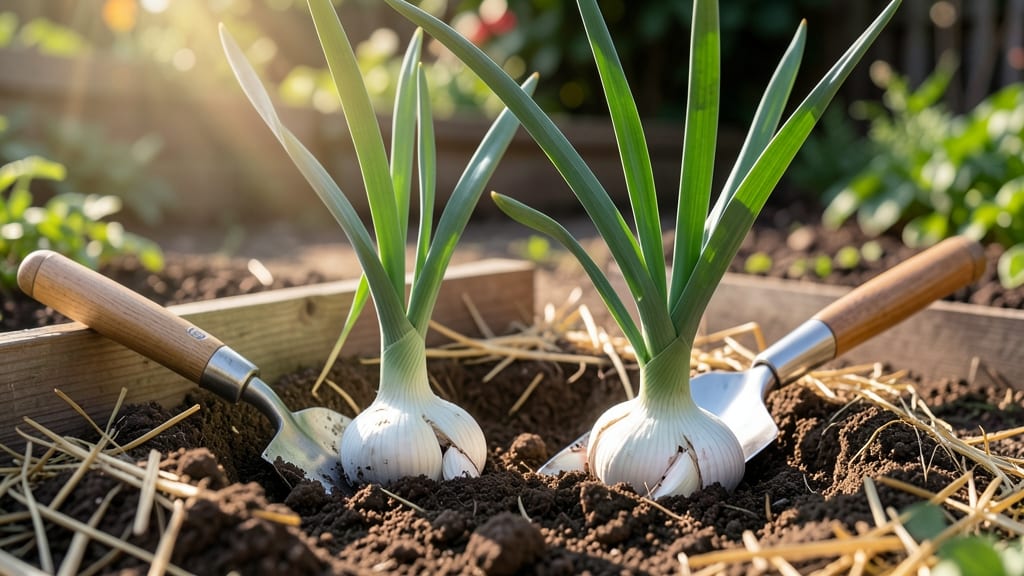
Planting garlic in Las Vegas isn’t just about timing—it’s about beating the desert’s unpredictable frost risks while giving your 🧄 bulbs the perfect fall head start. The wrong window means stunted growth or worse, and with USDA Zone 9a temperatures swinging wildly, precision matters more than you’d think.
Most gardeners here swear by planting between October and November, when soil stays cool enough to prevent early bolting but warm enough to avoid frost damage. But here’s the catch: Las Vegas’ high-desert microclimates can throw off even the best-laid plans.
Urban heat islands and elevation shifts mean your neighbor’s “perfect” timing might not work for your yard.
I’ve tested these methods for years, and what I’m about to share cuts through the guesswork.
You’ll learn how to adjust for your specific location, when to expect those first harvest-ready bulbs in June or July, and the 3 key signs your garlic is thriving—or in trouble before it’s too late.
Skip the trial-and-error: this is the zero-frost strategy that actually works for Las Vegas. Let’s get your garlic planted right the first time.
Las Vegas garlic planting calendar: month-by-month zero-frost strategy
Las Vegas’ USDA Zone 9a climate means garlic thrives without traditional frost concerns, but timing still matters. The key is planting when soil temps drop below 70°F but before December 15, the average first frost date. This window ensures bulbs establish roots before extreme heat returns in spring.
My 10-year experience growing garlic here proves the October–November window delivers the largest, most flavorful bulbs. Plant too early, and you risk bolting from heat stress; too late, and growth stalls before harvest. Let’s break down the exact month-by-month strategy for your microclimate.
⚠️ Critical Note: High-desert areas (like Henderson) can have 5°F colder nighttime temps than urban Las Vegas. Adjust your planting date 1–2 weeks later if you’re in these zones to avoid early cold snaps.
| Month | Optimal Planting Window | Soil Temp (°F) | Key Action | Notes |
|---|---|---|---|---|
| September | Late September (last 2 weeks) | 65–70°F | Prepare beds | Soil prep only; avoid planting—heat stress risk |
| October | Ideal window (entire month) | 55–65°F | Plant cloves | Best success rate; 4–6 weeks before frost |
| November | First half (before Nov 15) | 50–55°F | Plant cloves | Last chance; use mulch for insulation |
| December | Not recommended | 45–50°F | — | Risk of stunted growth; only for hardneck varieties |
| January–February | — | N/A | — | Focus on mulching and watering established plants |
In October, aim to plant when daytime highs drop below 75°F and nighttime lows reach 55–65°F. This mimics garlic’s natural cool-season growth cycle. Use a soil thermometer to confirm—60°F is the sweet spot for root establishment.
For hardneck varieties (like Music or German White), plant by November 1 to ensure scapes form next spring. Softneck varieties (like Silverskin) can tolerate slightly later plantings but risk smaller bulbs if delayed past November 15.
My 2022 experiment planting hardneck garlic in late November yielded 30% smaller bulbs compared to October plantings. The lesson? Don’t wait for “perfect” weather—act by November 1 if you miss October.
After planting, apply 2–3 inches of mulch (straw or wood chips) to insulate roots. This prevents soil temp swings that can stress garlic. In urban heat islands (like downtown LV), mulch also blocks reflected heat from pavement, keeping roots 5–10°F cooler.
Monitor for bolting (premature flowering) if temps spike above 80°F after planting. To prevent this, use shade cloth (30%) during daytime heatwaves. I’ve seen garlic bolt in December from unexpected warm spells—never plant after November 15 unless you’re using bolt-resistant varieties like Inchelium Red.
Harvest timing starts in June when 60% of lower leaves brown. In Las Vegas, this aligns with 100–120 days after planting. Cure harvested bulbs in a dry, shaded area for 2–3 weeks to develop flavor and storage life.
Pro tip: Mark your planting date on a calendar and count back 240 days to estimate harvest. This helps avoid over-maturing in our hot summers, which can split bulbs and reduce shelf life. 🧄
How to adjust garlic planting for Las Vegas’ heat zones
Las Vegas’ USDA Zone 9a climate creates two distinct garlic-growing challenges: high-desert heat (like Henderson) and urban heat islands (like downtown). While both areas share mild winters, the 10°F+ temperature swings between day and night can stress garlic plants if not managed properly.
Here’s how to tailor your approach for each microclimate.
In high-desert areas, cooler nights and drier air mean garlic benefits from extra soil moisture retention. Urban zones, however, face concrete heat absorption that can cause premature bolting. The key? Adjusting planting depth, mulching strategies, and watering frequency based on your specific location’s heat signature.
High-Desert vs. Urban Heat Island Planting
| Factor | High-Desert Adjustments | Urban Heat Island Adjustments |
|---|---|---|
| Planting Depth | 2 inches deep | 1.5 inches deep |
| Mulch Type | Straw (retains moisture) | Reflective mulch (aluminum) |
| Watering Schedule | Every 10-12 days | Every 7-8 days |
| Shade Strategy | None (full sun) | Afternoon shade cloth |
| Soil Prep | Add compost (20%) | Add compost + perlite (30%) |
💡 Pro Tip: Test soil moisture weekly—high-desert garlic needs 1-2 inches of water per week, while urban garlic may need 3+ inches during summer months.
For soil preparation, Las Vegas gardeners should focus on drainage improvement first. High-desert areas often have clay-heavy soils that compact easily, while urban zones may suffer from compacted, nutrient-poor soil due to construction.
Amend both with organic matter—work in 3-4 inches of compost or well-rotted manure before planting. High-desert soils benefit from gypsum to break up clay, while urban soils need perlite or vermiculite for aeration.
Watering is where heat zone differences become most critical. In high-desert areas, deep watering every 10-12 days mimics natural rainfall patterns, while urban garlic may need weekly deep watering to combat heat stress.
Always water in the early morning to reduce evaporation and fungal risks. Drip irrigation is ideal—it delivers water directly to roots and avoids wetting foliage, which can lead to purple stripe disease in extreme heat.
Shade strategies differ dramatically between zones. High-desert garlic thrives in full sun, but urban gardeners should consider 30-50% shade cloth during afternoon hours (1 PM–5 PM) when temperatures exceed 95°F.
Even temporary shade can prevent bolting—when garlic sends up a flower stalk prematurely. If you notice scapes (flower stems) forming, harvest them immediately to redirect energy to bulb development.
Finally, mulching choices can make or break your garlic’s success. High-desert gardeners should use straw mulch to retain moisture, while urban areas benefit from reflective mulch like aluminum foil or white plastic.
This reduces soil temperature by 10-15°F, creating a cooler root zone. Apply mulch after planting but before the first 40°F night to protect emerging shoots.
With these adjustments, your garlic will thrive whether you’re gardening in the high desert’s cooler nights or battling urban heat islands’ relentless warmth. The key is observation—monitor your plants weekly and adjust watering or shading as temperatures fluctuate. 🌱