
Plants
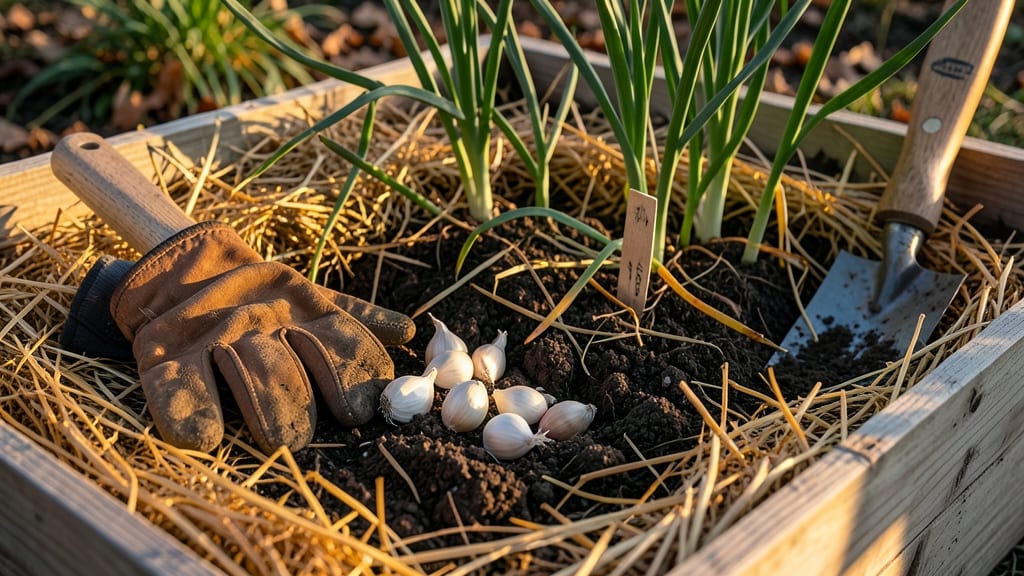
Planting garlic in North Dakota isn't just about timing—it's about beating the clock before the ground freezes solid.
With winters that can drop below -30°F and a growing season shorter than most varieties can handle, getting those cloves in the soil between mid-September and early October is your ticket to a bountiful harvest.
Most gardeners know garlic thrives in cool weather, but in USDA Zones 3b-4b, the rules change. Unlike milder climates where spring planting works, North Dakota’s harsh reality means you’ve got just a 4-6 week window before the ground locks up for winter.
Miss it, and you’ll be left with frozen cloves instead of plump bulbs.
Here’s the game-changer: hardneck varieties like ‘German White’ or ‘Music’ are your best bet—they’re bred to handle cold snaps and still deliver flavorful harvests by mid-July.
But even the hardiest garlic needs the right prep: well-draining soil, proper spacing, and a thick layer of mulch to insulate those bulbs through the brutal winter.
Don’t let the short season fool you—with the right approach, you can grow garlic in North Dakota that rivals anything you’d find in a grocery store.
I’ll walk you through the exact steps to time your planting, prep your soil, and protect your crop from the elements so you end up with a pantry full of homegrown 🧄 come summer.
Optimal garlic planting months in North Dakota (zones 3-4)
North Dakota’s USDA Zones 3-4 demand precise timing for garlic planting—miss the window, and you risk frozen soil or stunted growth. The science-backed planting window is mid-September to early October, when soil temperatures drop below 40°F but before the ground freezes.
This cold period is crucial for garlic bulb formation, as it triggers dormancy and protects against winter dieback.
While most gardeners focus on fall planting, spring planting in North Dakota is not recommended due to the short growing season. Garlic needs 180-240 days to mature, and planting in spring leaves little room for error before the first frost in mid-May.
Fall-planted garlic benefits from natural cold stratification, which hardens the bulbs for winter survival.
Hardneck varieties (like 'German White' or 'Music') thrive in ND’s climate, while softneck varieties struggle with the cold. Hardnecks produce scape shoots in summer, a bonus harvest, and handle Zone 3-4 winters with proper mulching. Always choose certified disease-free seed to avoid fungal issues common in humid prairie summers.
Here’s the critical planting window for North Dakota’s major cities, based on average frost dates from the NDAWN weather network:
| City | Last Frost Date | Ideal Planting Window | Soil Temp Threshold | Microclimate Adjustment |
|---|---|---|---|---|
| Fargo | October 10-15 | Mid-Sept to Oct 5 | Below 40°F | Plant 1 week earlier in sheltered areas |
| Bismarck | October 5-10 | Late Sept to Oct 1 | Below 40°F | Delay by 3-5 days in windy areas |
| Dickinson | September 25-Oct 5 | Late Aug to Sept 20 | Below 45°F | Plant 2 weeks earlier near hills |
Adjust your planting date based on microclimates. South-facing slopes or urban heat islands may stay warmer longer, while low-lying areas freeze sooner. Use a soil thermometer to confirm temperatures—plant when they consistently drop below 40°F at 4-inch depth.
In Zone 3 areas like Dickinson, start earlier (late August) to account for faster freezing.
For hardneck garlic, aim for a 6-inch planting depth in loose, well-draining soil. Amend heavy clay with compost or sand to prevent waterlogging, which causes rot. Space cloves 4-6 inches apart in rows 12 inches apart to allow airflow and reduce disease risk.
Mulch heavily with straw or leaves (4-6 inches) after planting to insulate bulbs through winter.
Spring planting is high-risk in ND—only attempt it if you’re using container-grown garlic or have a heated greenhouse. Without winter chilling, bulbs may bolt prematurely or produce small, weak harvests.
If you must try spring planting, use hardneck varieties and plant by April 15 for a July harvest, but yields will be 50% lower than fall-planted garlic.
Monitor your garden for early signs of stress, like yellowing leaves or mold on mulch. These indicate overwatering or poor drainage. In North Dakota’s dry summers, garlic actually prefers moderate moisture—water deeply once every 10-14 days once established.
Overwatering in spring can delay bulb formation, while drought stress reduces clove size.
Harvest timing is just as critical as planting. In North Dakota, garlic is ready for harvest when lower leaves turn brown and crispy (typically mid-July to early August). Use a garden fork to lift bulbs carefully—don’t wash them!
Cure in a shady, dry place for 2-3 weeks before braiding or storing. Proper curing prevents mold and extends shelf life to 6-8 months.
My first year planting garlic in Zone 4, I learned the hard way that late October planting led to frozen soil and poor survival. Now, I mark my calendar for early October and adjust based on weekly frost forecasts from the National Weather Service.
With the right timing, you’ll enjoy plump, flavorful bulbs that rival store-bought—and support your local ecosystem by reducing reliance on shipped garlic.
How to time your garlic planting for maximum yield in ND’s climate
North Dakota’s freezing winters and short growing season demand precise garlic planting timing. Unlike warmer climates, your bulbs need 4-6 weeks to establish roots before the ground freezes. Planting too early risks rot, while late planting may leave insufficient time for bulb development before harvest.
For Hardiness Zones 3-4, aim for mid-September to early October when soil temperatures drop below 40°F. This window ensures garlic develops strong roots before winter dormancy. Spring planting is risky—garlic thrives on cold vernalization, and spring-planted bulbs often bolt prematurely or produce small cloves.
Fall Planting vs. Spring Planting in ND
Fall Planting
- Pros: Bulbs vernalize naturally, stronger root systems, larger yields
- Cons: Requires precise timing, soil prep needed before frost
Spring Planting
- Pros: Less planning required, good for late starters
- Cons: Smaller bulbs, risk of bolting, poor flavor development
Spring planting only works in ND if using hardneck varieties and starting indoors early.
Prepare your soil 2-3 weeks before planting by incorporating 2-3 inches of compost and a balanced 5-10-10 fertilizer. Garlic prefers well-draining soil with a pH between 6.0 and 7.0. Work in organic matter to improve drainage—ND’s heavy clay soils can suffocate bulbs if too compacted.
Choose hardneck varieties like 'German White' or 'Music' for ND’s climate—they handle cold better than softnecks. Break apart bulbs into individual cloves, ensuring each has a paper-like skin attached.
Plant cloves 2 inches deep, 4-6 inches apart, with the pointed end facing up. Planting too shallow risks frost heave, while burying too deep can stunt growth.
Mulch heavily with straw or leaves (4-6 inches) after planting to insulate bulbs through winter. Remove mulch in early spring to prevent rot. Avoid synthetic mulches—they don’t breathe like organic materials. In March or April, add a light nitrogen fertilizer (like fish emulsion) to encourage top growth before harvest.
Monitor for voles and heaving—common ND issues. Use wire mesh cages if voles are active, and mark planting rows to avoid disturbing bulbs during snowmelt. Harvest when lower leaves brown but tops are still standing (usually mid-July in ND).
Cure harvested garlic in a dry, shady spot for 2 weeks before storage.