
Plants
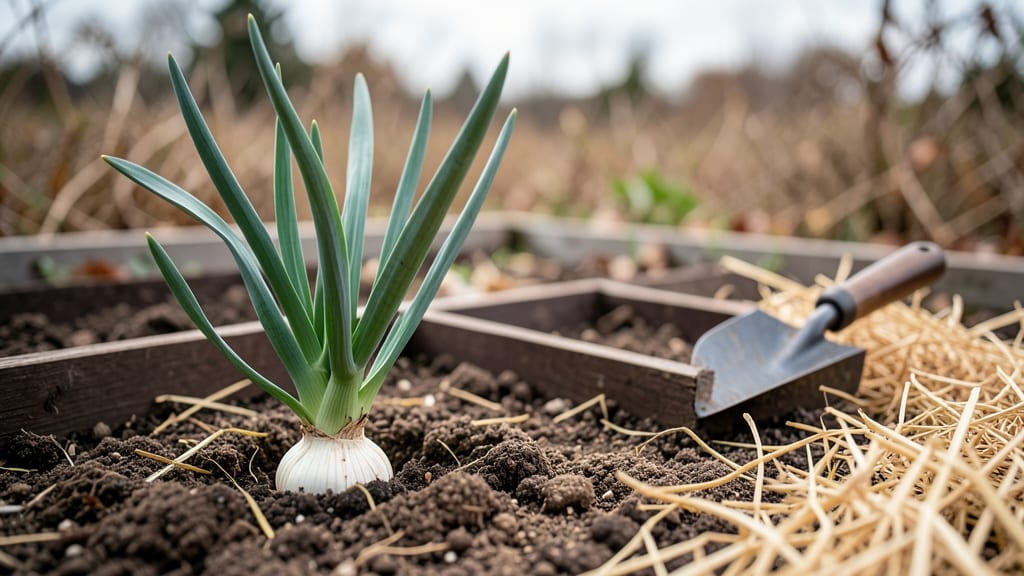
Planting garlic in Western NC at the wrong time means the difference between plump, flavorful bulbs and tiny, weak cloves—so getting the timing right is your secret weapon for a bold harvest.
In USDA Zone 7b, where winters bring early frosts and summers stretch into July, the ideal window is narrow but critical. Most gardeners here swear by late fall planting—between October and November—when soil temps dip but haven’t frozen solid.
But what if you miss that boat? I’ll show you how to adjust for spring planting too, plus the subtle clues (like soil moisture and frost dates) that tell you exactly when to dig in your cloves.
You might think garlic is garlic, but hardnecks and softnecks behave differently in our mountains. One variety thrives when planted early; the other needs a little more time to bulk up before winter.
I’ll break down which type suits Western NC’s variable microclimates and how to tweak your schedule for bigger yields—no guesswork, just proven strategies from local growers and NC State Extension.
Ready to grow garlic that rivals the stuff at the farmers’ market? Let’s dive into the perfect planting timeline, from soil prep to the first signs your crop is on track for success. Spoiler: It’s all about reading the weather and working with Mother Nature, not against her.
Best planting windows for garlic in Western NC’s zone 7b climate
Western NC’s Zone 7b climate creates a perfect window for growing garlic, but timing is critical. The ideal planting window spans from mid-October to early November, when soil temperatures drop below 70°F but before hard frosts arrive.
This timing ensures bulbs establish roots before winter dormancy, leading to larger harvests the following summer.
For hardneck varieties (like 'Music' or 'Chesnok Red'), this fall window is non-negotiable—they require cold stratification to form bulbs. Softneck varieties (like 'Silverskin') can tolerate slightly later plantings, but even they benefit from fall’s cooler temps. Missing this window means risking stunted growth or poor bulb formation.
Here’s your Western NC garlic planting timeline broken down by key factors:
| Factor | Western NC Zone 7b Specifications | Actionable Tip |
|---|---|---|
| Optimal Planting Month | Mid-October to early November | Aim for 4-6 weeks before first frost (typically mid-November in Western NC). |
| Soil Temperature Threshold | Below 70°F (ideal: 50-60°F) | Use a soil thermometer to confirm—plant when temps stabilize below 70°F. |
| Moon Phase Preference | Waning moon (root crops) | Plant during the waning gibbous phase for stronger root development. |
| Last Chance Planting | Early December (with mulch) | Add 4-6 inches of straw mulch to protect cloves from freezing. |
| Spring Alternative | Early March (risky) | Only for softneck varieties—harvests will be smaller and less flavorful. |
Western NC’s microclimates add another layer of complexity. Higher elevations (like Asheville or Boone) may need to plant 2-3 weeks earlier due to earlier frosts, while valleys (like Hendersonville) can extend planting into early December. Always check your local NC State Extension frost dates for precision.
Don’t overlook soil preparation—garlic thrives in well-draining, slightly acidic soil (pH 6.0-7.0). Work in 2-3 inches of compost 2 weeks before planting to give roots a nutrient boost. Avoid fresh manure, which can burn cloves. In Western NC’s clay-heavy soils, amending with sand or peat moss improves drainage.
For moon phase enthusiasts, align planting with the waning moon (when the moon is shrinking) to encourage root growth. The last quarter moon in October or November is ideal. While not scientifically proven, many gardeners swear by this practice for larger bulb development. Try it and compare yields!
After planting, mulch heavily with straw or leaves to insulate cloves through winter. In Western NC’s Zone 7b winters, temperatures can dip below freezing, but mulch prevents soil heaving and protects emerging shoots. Remove mulch in late winter (February) to allow soil to warm and stimulate growth.
Spring planting is possible but not recommended for hardnecks. If you must plant in spring (early March), choose softneck varieties and expect smaller bulbs. The key difference? Fall-planted garlic undergoes vernalization (cold treatment), which triggers bulb formation. Spring-planted garlic skips this step, leading to weaker yields.
Monitor your garlic’s progress by checking for green shoots in late winter (February). If shoots emerge too early, add mulch to delay growth until soil warms. Harvest time arrives in late June to early July when lower leaves brown and bulbs are firm to the touch.
In Western NC’s humid summers, cure harvested garlic in a shady, dry place for 2-3 weeks to prevent mold.
Pro tip: Save seeds from your best bulbs for next year’s planting. Western NC’s hardneck varieties (like 'German White') often produce scape shoots in spring—remove these to redirect energy into bulb growth. With perfect timing and care, you’ll harvest bold, flavorful garlic that rivals store-bought (or even local markets!). 🌱
How to adjust planting time for early vs. late varieties of garlic
Western NC’s Zone 7b climate creates the perfect stage for growing both hardneck and softneck garlic, but timing makes all the difference. Hardnecks thrive with cold stratification—they need winter chill to form bulbs—while softnecks, like Silverskin varieties, tolerate milder winters.
Getting this right means the difference between plump, flavorful bulbs and stunted growth.
For hardneck garlic, plant between October 15th and November 15th—this gives roots time to establish before winter. Softnecks, however, can stretch your window to December 1st since they don’t need as much cold.
Adjust based on frost forecasts—aim to plant 4-6 weeks before the ground freezes (usually mid-November in Western NC).
If you’re growing late-maturing varieties, like hardneck garlic, extend your harvest by planting early cloves (those with the largest diameter). These bulbs form faster and mature 2-3 weeks earlier than smaller cloves.
For softnecks, focus on soil moisture—they’re more drought-tolerant but still need consistent watering during bulb formation.
Pro tip: Use mulch heavily (4-6 inches of straw) to protect garlic from freeze-thaw cycles in Western NC’s unpredictable winters. This preserves soil moisture and keeps roots stable. Remove mulch in late winter (February) to encourage growth as temperatures rise.
For spring planting, softnecks are your only option—plant in March for a late-summer harvest. Hardnecks won’t form bulbs without winter chill, so skip them for spring. If you’re experimenting, try green garlic (harvesting shoots before bulbs form) for a spring harvest in just 90 days.
Adjust your planting schedule based on microclimates in Western NC—higher elevations (like the Blue Ridge Mountains) may need earlier planting (by October 1st) to avoid early frosts. Valley areas can stretch to November 30th safely. Always check NC State Extension’s frost maps for real-time updates.