
Plants
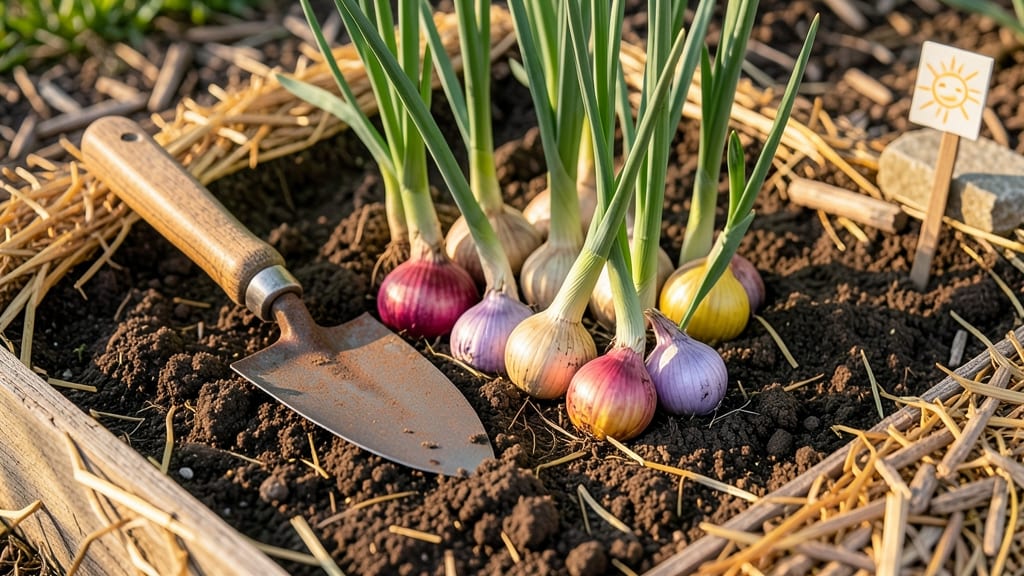
Planting gladiolus bulbs in Colorado at the wrong time can mean the difference between vibrant summer blooms and wasted corms. The key isn't just waiting for spring—it's tracking soil temperatures, which can vary by 1,000 feet of elevation between Denver and the mountains.
Most gardeners in zones 5-7 rush to plant too early, only to see frost nip tender shoots. I’ve learned the hard way that waiting until the soil hits 60°F at 4-inch depth (usually late April to early June) ensures your 🌸 gladiolus corms sprout reliably—no guessing games.
In this guide, I’ll break down exactly when to plant by elevation, how to test soil warmth without a fancy thermometer, and pro tricks to protect your bulbs from Colorado’s unpredictable frost dates. No more second-guessing—just zero-frost blooms by July.
Whether you’re a first-time gardener or a veteran dealing with high-altitude quirks, these steps will help you time your planting like a local expert. Let’s get those corms in the ground the right way.
Colorado’s gladiolus planting timeline by elevation zone
Colorado’s three distinct elevation zones—Front Range (Denver/Boulder), Foothills, and Mountains—create wildly different planting windows for gladiolus bulbs. At 5,000 feet, your last frost might be April 15, while at 8,000 feet, snow flurries can linger until May 20.
The key? Planting when soil hits 50-60°F at 4-inch depth, not just air temperature.
High-altitude gardeners often wait until late May for safety, while Front Range growers can start as early as mid-April. This zone-specific approach prevents frost damage to tender corms while maximizing your July-September bloom window.
Let’s break it down by elevation so you can time your planting like a pro.
| Elevation Zone | Avg Last Frost | Optimal Planting Window | Soil Temp Threshold | Bloom Timeline | Pro Tip |
|---|---|---|---|---|---|
| Front Range (4,000–6,000 ft) | April 15–May 1 | Late April–early May | 50–60°F at 4" | July 15–Sept 15 | Use black plastic mulch to warm soil faster. |
| Foothills (6,000–8,000 ft) | May 1–May 15 | Mid-May–early June | 55–65°F at 4" | July 30–Sept 10 | Choose early-blooming varieties like 'White Prosperity'. |
| Mountains (8,000+ ft) | May 15–June 1 | Late May–June 10 | 60–70°F at 4" | Aug 1–Sept 1 | Extend season with row covers after planting. |
In the Front Range, where Denver and Boulder sit at 5,280 feet, aim to plant gladiolus corms 2–3 weeks after your last frost. Use a soil thermometer to confirm 50°F+ at 4-inch depth—this is your green light.
For Colorado Springs (6,000 ft), wait until mid-May to avoid late frosts that can blacken emerging shoots.
At higher elevations like Estes Park (7,500 ft), push planting to late May even if soil feels warm. Cold nights can still drop temperatures below freezing.
A trick I swear by? Plant through straw mulch—it insulates corms while allowing heat to penetrate. This buys you 10–14 extra frost-free days for safer growth.
For container gardening in mountain towns, start corms indoors under grow lights 6 weeks before your target outdoor date. Move pots outside only after hardening off and when nighttime temps stay above 45°F. This head start lets you enjoy blooms 2–3 weeks earlier than traditional outdoor planting.
Remember: Early planting ≠ early blooms. Gladiolus need 90–120 days from corm planting to first flower. If you plant too early in cold zones, you’ll sacrifice bloom time. For example, a June 1 planting in the Mountains might not flower until September 1, cutting your season short.
Test your soil’s readiness with the "knuckle test": Stick your finger 4 inches deep. If it feels cooler than your wrist, wait. Pair this with checking Almanac frost predictions for your specific ZIP code.
In Grand Junction (4,800 ft), you might plant by April 20, while Telluride (8,700 ft) gardeners should hold off until June 1.
Pro move: Stagger your planting every 2 weeks for continuous blooms. Plant 1/3 of your corms at the earliest safe date, then repeat twice more. This ensures July through September flowers instead of a single 2-week burst.
Just be sure to mark your planting dates—gladiolus corms multiply, and you’ll want to avoid overcrowding next year.
One last secret: Soil moisture matters more than temperature in high-altitude zones. Water deeply before planting to prevent corms from drying out during establishment. In dry Front Range gardens, add 2 inches of compost to planting holes to retain moisture.
This simple step can mean the difference between wilting shoots and vibrant spikes.
Soil temperature secrets: how to time gladiolus planting like a pro
Gladiolus corms need consistent warmth to thrive, but Colorado’s unpredictable frost makes timing tricky. The key is waiting until the soil temperature stays above 60°F (15°C) at 4-inch depth—this ensures roots establish before summer heat arrives.
Without proper timing, your glorious blooms might never appear, or worse, freeze back to the ground.
Most gardeners rely on last frost dates, but these don’t account for soil warmth. A late spring frost in Denver or Boulder can delay planting for weeks, while Colorado Springs might see warm soil earlier.
The solution? Test your soil—it’s the only way to know for sure when it’s safe to plant.
-
Step 1: Use a soil thermometer
Check 4-inch depth in full sun—this mimics where corms will sit. Aim for 60°F+ for 7+ consecutive days. -
Step 2: Test depth accuracy
Dig a 4-inch hole, place thermometer at bottom, and wait 30 minutes for reading. Early mornings are most accurate. -
Step 3: Mulch for warmth
Spread black plastic mulch or straw over beds 2 weeks before planting to raise soil temp 5–10°F faster. -
Step 4: Plant through mulch
Cut X-shaped slits in mulch, plant corms 4–6 inches deep, then cover slits. This protects roots while warming soil. -
Step 5: Troubleshoot late springs
If soil stays below 60°F by June 1, opt for container planting—use black pots to absorb heat and plant near south-facing walls.
If you’re in high-altitude zones (7,000+ ft), like Aspen or Leadville, wait until late May or early June—soil warms slower there. For lower elevations (5,000–6,000 ft), like Colorado Springs or Pueblo, you might plant as early as mid-April if soil hits 60°F.
Always plant 2–3 weeks after your last frost date to avoid root shock from sudden cold snaps.
Pro tip: Plant in batches every 2 weeks through early June for staggered blooms all summer. This extends your gladiolus season and ensures you’re never without cut flowers for arrangements. Just mark your planting dates so you remember when to fertilize and deadhead.
For frost-prone years, consider frost-resistant varieties like 'White Prosperity' or 'Pink Parfait'. These tolerate light frosts better than tropical hybrids, giving you a buffer if your timing is off. Pair them with row covers for extra protection until soil warms consistently.
Remember: Patience pays off. Rushing gladiolus planting in cool Colorado soil leads to stunted growth or no blooms. But when you nail the soil temperature, you’ll reward yourself with tall, dramatic spikes of color from July through September. Happy planting! 🌸