
Plants
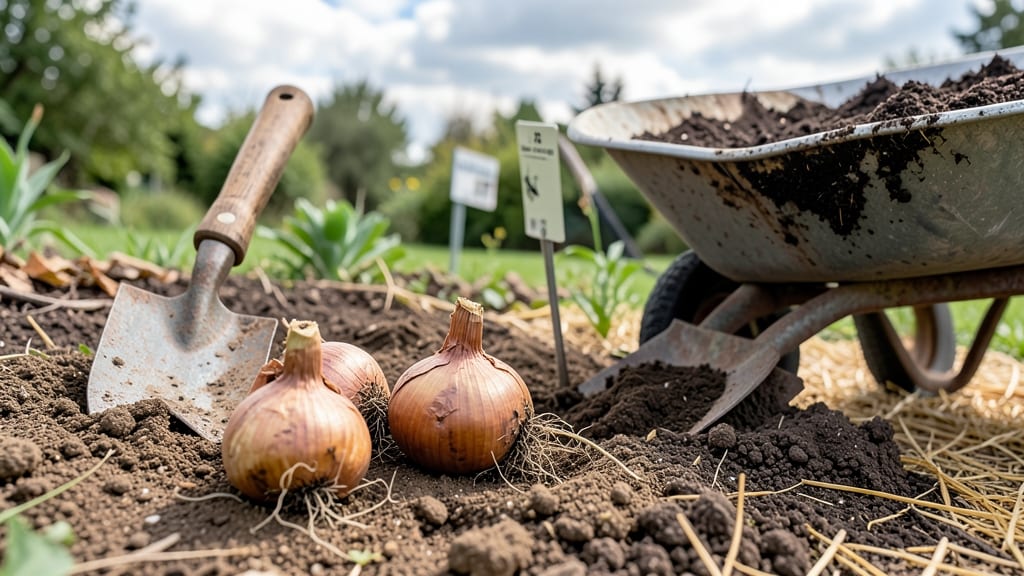
Planting gladiolus bulbs in Connecticut at the wrong time can mean the difference between stunning summer blooms and sad, frost-nipped corms. With average last-frost dates around mid-April, timing your 🌸 gladiolus planting just right is the key to success in zones 5b-6b.
I’ve learned the hard way that rushing these bulbs into the ground too early—before the soil warms—leads to slow growth and weak stems. But waiting too long risks missing the late April to mid-May window when Connecticut’s soil finally thaws and stays that way.
In this guide, I’ll break down exactly when to plant for your specific corner of the state, plus soil prep tips to give your gladiolus the best start. You’ll also discover how to extend your blooming season with simple tricks that work even in Connecticut’s unpredictable climate.
Whether you’re a first-time gardener or a seasoned pro, these insights will help you grow healthier plants and longer-lasting flowers—no frost-date guesswork required.
Connecticut frost dates for gladiolus planting: exact timing by Zone
Connecticut’s USDA Zones 5b-6b create a unique challenge for gladiolus growers—too early, and frost zaps tender corms; too late, and your blooms arrive after summer’s peak.
The key is planting 2-4 weeks before your area’s last frost date, which gives corms time to establish roots in 60°F+ soil before summer heat arrives.
Gladiolus corms need warm soil temperatures (ideally 60-65°F) to sprout consistently. In Connecticut, this typically means waiting until mid-to-late April in southern zones (like Stamford) and early May in northern areas (like Hartford).
Using a frost-date calculator (like the Old Farmer’s Almanac or Plant Maps) ensures precision tailored to your microclimate.
Here’s how to calculate your exact planting window: subtract 2-4 weeks from your average last frost date. For example, if your last frost is May 1, plant April 10-20 for optimal results. This pre-warming period mimics the natural soil warming gladiolus corms need to thrive.
| City | Zone | Avg. Last Frost | Planting Window | Soil Temp Goal |
|---|---|---|---|---|
| Hartford | 5b | May 1 | April 10-20 | 60°F+ |
| New Haven | 6a | April 25 | April 5-15 | 60°F+ |
| Stamford | 6b | April 20 | March 30-April 10 | 60°F+ |
🌱 Pro Tip: Use a soil thermometer to confirm 60°F+ before planting.
For gardeners in Zone 5b (e.g., Hartford), aim for April 10-20—this aligns with the 2-4 week pre-warming rule and avoids the late-April frost risk. In Zone 6a/6b (New Haven/Stamford), you can start as early as late March, but monitor soil temperatures closely.
A frost cloth can buy you an extra 1-2 weeks of protection if you plant slightly early.
If you’re unsure about your exact frost date, use the National Oceanic and Atmospheric Administration (NOAA) frost maps or local Cooperative Extension Service data. These sources provide historical averages and 30-year trends to refine your timing.
For example, Stamford’s last frost has shifted 3-5 days earlier over the past decade due to climate change—adjust accordingly.
Once you’ve nailed your planting window, focus on soil preparation. Gladiolus corms thrive in well-draining, slightly sandy soil with a pH of 6.0-7.0. Amend heavy clay soils with compost or perlite to prevent rot.
Plant corms 4-6 inches deep and 4-6 inches apart to allow airflow and reduce disease risk.
After planting, mulch with straw to retain moisture and regulate soil temperature. This is especially critical in Connecticut’s variable spring weather, where cold snaps can linger into late April. Mulch also suppresses weeds, which compete for nutrients during the critical root-establishment phase (weeks 1-4 after planting).
Remember: gladiolus corms are not frost-tolerant once sprouted. If a late frost threatens after planting, cover young shoots with frost blankets or row covers. This extra layer of protection can save your crop if temperatures dip below 32°F after germination begins.
By aligning your planting with Connecticut’s frost-date averages and using a soil thermometer, you’ll maximize bloom time and minimize stress on your gladiolus. With this strategy, you’ll enjoy vibrant summer blooms from July through September—right when Connecticut’s gardens are at their peak.
Gladiolus planting schedule by month: what to do in April vs. May
April and May mark the perfect window for planting gladiolus bulbs in Connecticut, but each month brings unique tasks to ensure your corms thrive. In April, focus on soil preparation and early planting in southern CT, while May offers a broader window for northern regions.
The key is timing—plant too early, and frost zaps tender shoots; too late, and blooms arrive after summer’s peak.
Start by testing your soil’s drainage and pH. Gladiolus prefer slightly acidic to neutral soil (pH 6.0-7.0) and well-draining beds. Amend heavy clay with compost or sand to prevent rot.
In April, if your last frost date hasn’t passed, consider starting corms in biodegradable pots indoors under grow lights for a head start.
⚠️ callout warning ⚠️
Planting gladiolus after mid-May in USDA Zone 5b (northern CT) risks stunted blooms or no flowers at all. Late plantings delay growth, and summer’s heat may stress corms before they establish. If you miss the window, use row covers or plant in containers for earlier warmth.
In April, plant gladiolus corms 4-6 inches deep, spacing them 4-6 inches apart in rows 12-18 inches apart. Use a trowel or bulb planter to avoid damaging corms.
Water deeply after planting to settle soil and encourage root growth. A 2-inch layer of mulch (straw or shredded leaves) helps retain moisture and regulate soil temperature.
By May, most of Connecticut’s frost risk has passed, making it ideal for planting. Choose a sunny, sheltered spot to protect flowers from wind. If your soil is still cold, warm it with black plastic mulch for 2-3 weeks before planting.
For extended blooms, stagger plantings every 2-3 weeks—early May for late-summer flowers, mid-May for peak summer color.
After planting, fertilize lightly with a balanced 10-10-10 mix to promote root and shoot growth. Avoid high-nitrogen fertilizers, which encourage foliage over flowers. Water deeply 2-3 times per week, aiming for 1-2 inches of water per week.
Reduce watering as buds form to prevent bud blast, a fungal issue common in humid CT summers.
To maximize your gladiolus’ potential, stake taller varieties (like ‘Black Star’) with bamboo stakes or mesh supports as they grow. Deadhead spent blooms to redirect energy to new flower spikes and extend the season.
With the right timing and care, your gladiolus will reward you with bold, show-stopping blooms from July through September. 🌸