
Plants
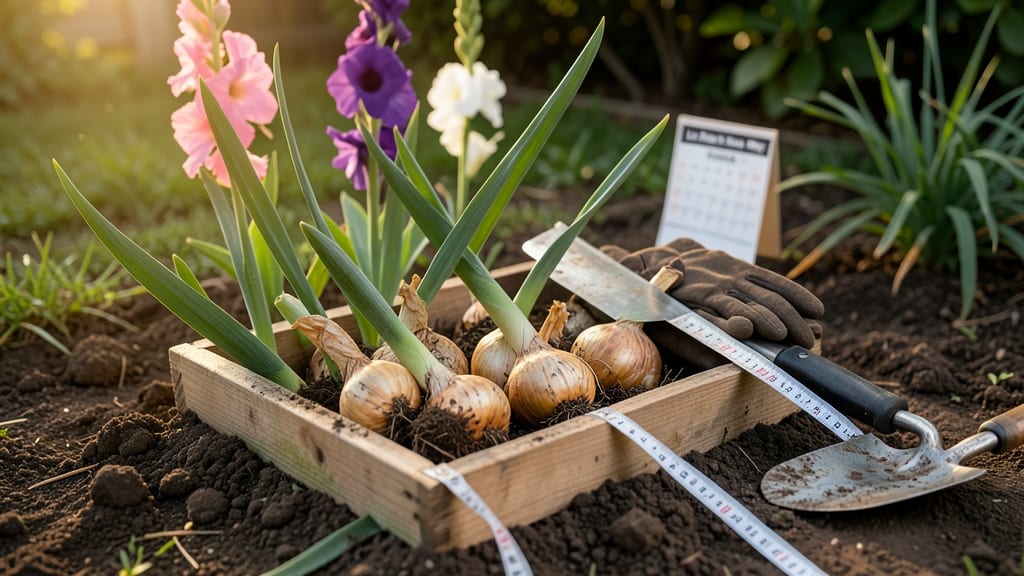
Planting gladiolus bulbs in Indiana at the wrong time can mean the difference between stunning 🌸 summer blooms and a sad, withered garden investment. Unlike some flowers, these tall beauties demand precise timing—too early and frost will damage them, too late and you’ll miss their peak growing season.
Most Indiana gardeners in Zone 6a should aim for mid-April to early May, once soil temperatures consistently hit 60°F and the last frost has passed.
But here’s the catch: Indiana’s unpredictable weather can throw off even the best-laid plans, which is why knowing exactly when to plant—and how to prepare your soil—is the key to success.
I’ve learned the hard way that rushing the process leads to rot, while waiting too long means smaller blooms. The solution? A simple soil temperature check and a backup plan for late starters.
Let’s break down the exact steps to time your planting perfectly, so you can enjoy those dramatic 4-5 foot spikes of color from July through September.
Whether you’re a seasoned gardener or a first-timer, mastering this timing will transform your garden. You’ll discover how to extend your blooming season, avoid common mistakes, and even troubleshoot when Mother Nature throws you a curveball. Ready to get those gladiolus bulbs in the ground the right way?
Indiana gladiolus planting dates by hardiness zone (5a-6b)
Timing is everything when planting gladiolus bulbs in Indiana, where hardiness zones 5a-6b experience wildly varying spring conditions. The key is planting after soil temperatures consistently reach 60°F+ and the last frost date has passed. Get it wrong, and you risk rotten corms or stunted blooms.
Gladiolus thrive in Indiana’s summer heat, but they need a head start. The ideal planting window spans from mid-April to early June, depending on your zone.
For zone 5a, aim for late April to early May, while zone 6b gardeners can plant as late as early June.
Here’s the breakdown by zone, including soil warmth requirements and backup windows for late starters:
For zone 5a gardeners, the April 20 last frost date is your cue to wait. Planting before soil warms to 60°F risks corm rot—gladiolus bulbs need warmth to sprout. Use a soil thermometer to confirm before digging.
In zone 6b, you’ve got flexibility. Early bloomers can plant as soon as late March if soil temps cooperate, but most gardeners wait until early April to align with peak bloom times in July-August. Late plantings in June may still flower, but expect shorter stems.
Pro tip: Stagger your plantings every 2-3 weeks for continuous blooms from summer through fall. For example, plant one batch in mid-April and another in early May—this ensures nonstop color in your garden beds.
If you miss the ideal window, don’t panic. Gladiolus are forgiving—you can plant as late as early June in most zones, though blooms may arrive later. Just mulch heavily to retain soil warmth and water deeply to encourage root growth.
Remember, gladiolus bulbs are not winter-hardy in Indiana. After the first frost in October, dig up corms, trim foliage, and store them in a cool, dry place until next spring. This protects them from freeze damage and ensures healthy regrowth.
For container gardening, follow the same soil temperature rules but use well-draining pots and place them in full sun. Containers warm up faster, so you might plant 1-2 weeks earlier than in-ground.
🌸
How to check soil warmth before planting gladiolus bulbs
Gladiolus bulbs thrive when planted in warm soil, ideally between 60°F and 70°F. In Indiana, soil can linger chilly long after the last frost, leaving you guessing whether it's safe to plant.
Testing soil warmth ensures your gladiolus corms don’t rot from cold dampness or struggle to sprout in cool conditions.
Cold soil is the #1 reason gladiolus bulbs fail to bloom. If planted too early, they’ll sit dormant or develop fungal rot from sitting in damp, chilly earth. Wait too long, and your summer blooms may never appear. Here’s how to check soil warmth accurately before committing to planting.
- Rot from fungal infections
- Delayed sprouting (weeks of wasted time)
- Stunted blooms or no flowers at all
- Northern IN (Zone 5a): 50°F in early April
- Southern IN (Zone 6b): 55°F in mid-April
For a no-tool test, use the hand method. Press your hand into the soil. If it feels cool to the touch (like a chilled soda can), wait a few more days.
When it feels warm like bathwater, it’s ready. This works best in direct sunlight, where soil warms faster.
A more precise approach is using a soil thermometer. Insert the probe 4-6 inches deep (the depth you’ll plant gladiolus corms) and check readings in the morning and evening. Aim for consistent temps above 60°F. Digital thermometers with backlit displays make this easier, especially for early-morning checks.
If your soil stays below 60°F past your ideal planting window, consider staggered planting. Start with a few corms in warmer microclimates (like near a south-facing wall) while waiting for the rest of the soil to warm.
This extends your bloom time and ensures you get some flowers even if conditions aren’t perfect.
Pro tip: Cover planting areas with black plastic mulch 1-2 weeks before planting. This raises soil temps by 5-10°F faster than uncovered ground. Just remove it after planting to avoid overheating the corms. For Indiana gardeners, this can shave 10-14 days off your waiting time!