
Plants
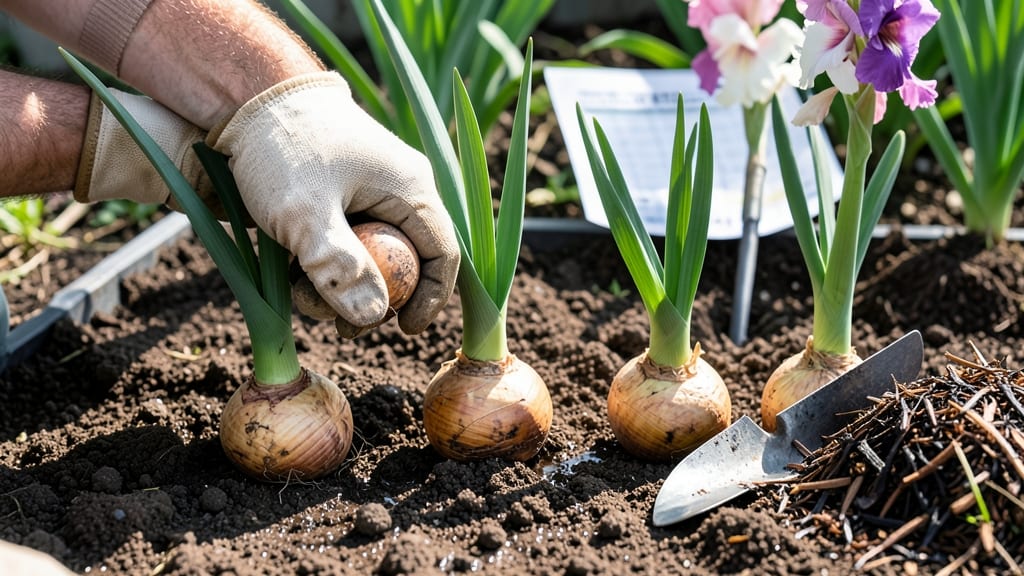
Planting gladiolus bulbs in Pennsylvania at the wrong time can mean waiting months for those show-stopping 🌸 blooms—or worse, watching them never emerge at all.
The key to vibrant summer color lies in timing these corms just right, when soil warms but frost risks fade, typically between mid-April and May depending on your exact zone.
I’ve learned the hard way that rushing gladiolus into cold soil or planting too late can shorten their bloom season dramatically. In zones 5b-7a, where Pennsylvania falls, your best bet is to wait until the ground reaches 60°F—usually 4-6 weeks after your last frost date.
This ensures strong root establishment before summer heat arrives.
But here’s the game-changer: Pennsylvania’s microclimates can shift planting windows by 2-3 weeks. Urban areas may warm faster than rural spots, while high-altitude gardens could need an extra week.
I’ll show you exactly how to adjust your timing based on your specific corner of the state—so you’re not left guessing when to dig in those corms.
Whether you’re a first-time gardener or a seasoned pro, getting this timing right means longer-lasting blooms and fewer wasted corms. Let’s break down the exact months for your zone, plus pro tips to avoid common mistakes that rob gladiolus of their full potential.
Pennsylvania gladiolus planting calendar by hardiness Zone (exact months for success)
Timing your gladiolus bulbs correctly in Pennsylvania means the difference between show-stopping summer blooms and wilted disappointment. With USDA zones 5-7, your planting window shifts slightly depending on location—whether you're in Philadelphia's urban heat or the cooler Poconos mountains.
The key is planting when soil temperatures hit 60°F (15°C) and frost risk has passed, typically 4-6 weeks before your last spring frost.
Gladiolus thrive on warm-season growing, so starting too early risks frost damage, while delaying can shorten your bloom time. In Zone 5b, aim for late April to early May; in Zone 6a, you can stretch to mid-May.
For Zone 7a, early April works if you're in a sheltered microclimate. The goal? 90-120 days of growth before first fall frost in October.
| Zone | Last Frost Date | Ideal Planting Window | Soil Temp Threshold | Bloom Window |
|---|---|---|---|---|
| 5b (Pittsburgh, Scranton) | April 20-25 | May 5-15 | 60°F (15°C) | July 15 - Sept 10 |
| 6a (Harrisburg, Allentown) | April 10-15 | April 25 - May 10 | 60°F (15°C) | June 20 - Sept 5 |
| 7a (Philadelphia, Lancaster) | April 5-10 | April 15 - April 30 | 58°F (14°C) | June 1 - Sept 15 |
🌱 Pro Tip: Use a soil thermometer to confirm readiness—gladiolus roots need warm soil to establish quickly.
For continuous blooms, stagger your plantings every 2 weeks from early May through June. This ensures non-stop color from July through September. In Zone 7a, you can even squeeze in a late summer planting (August) for fall blooms, though these may need protection from early frosts.
The secret? Well-draining soil and full sun exposure—gladiolus demand both for their dramatic spikes to thrive.
Watch for soil temperature trends in your area—some years, late May brings unexpected frosts, while others see 60°F soil as early as mid-April. Use mulch to stabilize temperatures and extend your season.
In urban heat islands like Philadelphia, soil warms faster, so you can plant 2-3 weeks earlier than rural areas. Always check your local frost dates from sources like the Penn State Extension for precision.
Your gladiolus corms should be planted 4-6 inches deep and 6 inches apart in rows. In Zone 5b, add extra mulch (straw or shredded leaves) to insulate roots during cool nights.
For Zone 7a, focus on watering consistency—gladiolus need 1 inch of water weekly but hate soggy soil. A drip irrigation system works best to keep foliage dry and reduce fungal diseases like botrytis.
If you miss the spring window, don't panic—gladiolus can be planted in late summer (August) for fall blooms, though these may need row covers in Zone 5b. The trade-off? Shorter stems and fewer blooms compared to spring plantings.
For maximum impact, prioritize spring plantings and use fall bloomers as secondary color accents. Always fertilize lightly after planting with a balanced 10-10-10 to encourage strong root growth before the heat of summer arrives.
One common mistake in Pennsylvania is planting too early in Zone 5b, which risks frost damage to emerging shoots. Conversely, planting too late (after June 1) in Zone 7a can result in underdeveloped blooms before frost. Use biodegradable
How to adjust gladiolus planting for Pennsylvania’s microclimates (and avoid common mistakes)
Pennsylvania’s diverse landscapes—from Pittsburgh’s urban heat islands to the Poconos’ high-altitude valleys—create microclimates that can shift gladiolus planting windows by 2-4 weeks. What works in Zone 6 Philadelphia may fail in Zone 5b State College, where late frosts linger until May 15.
The key? Adjusting your timing based on localized heat patterns and elevation changes that most planting guides ignore.
Urban areas like Pittsburgh and Allentown experience the urban heat island effect, where pavement and buildings trap heat, allowing you to plant 2 weeks earlier than rural zones. Meanwhile, high-altitude regions like Lackawanna County may need to wait until after Memorial Day to avoid frost damage.
Ignoring these variations often leads to stunted growth or failed blooms—but with the right adjustments, your gladiolus can thrive year after year.
⚠️ callout warning ⚠️
⚠️ 3 Critical Signs You’ve Planted Too Early or Late
- 🌱 Yellowing leaves within 2 weeks of planting = cold soil shock (planted too early)
- 🌡️ Stunted shoots (less than 2 inches in 3 weeks) = late planting or poor drainage
- 🌪️ Buds forming but wilting before opening = heat stress (planted in Zone 7 areas during July heatwaves)
Pro tip: Use a soil thermometer—gladiolus corms need soil temps of 60°F+ to thrive.
For urban heat islands, start planting in late April (instead of May) if your neighborhood stays 10°F warmer than surrounding areas. Test this by checking local weather stations—areas like Philadelphia’s Center City can be 5-7°F hotter than nearby suburbs.
In these zones, also consider shade-cloth during peak summer to protect blooms from heat stress.
High-altitude gardeners in Poconos or Allegheny Front should wait until after May 20 and use black plastic mulch to warm the soil faster. These regions often see late-spring frosts even in Zone 6, so plant ‘Early Sensation’ varieties first—they tolerate cooler soils better than ‘Green Star’ or ‘Picasso’.
One common mistake is assuming all of Pennsylvania follows the same frost dates. Southwestern PA (Zone 7a) can safely plant in early April, while Erie or Scranton (Zone 5b) may face frost until May 10.
Use your local CoCoRaHS station data (free online) to pinpoint your exact last frost date—this alone can add 3 weeks to your planting window.
To maximize blooms, stagger plantings every 2 weeks from April 15 to June 1. This ensures continuous color through September, even if your microclimate has unpredictable weather. For example, plant early varieties in late April (for June blooms) and late varieties in early June (for August-September color).