
Plants
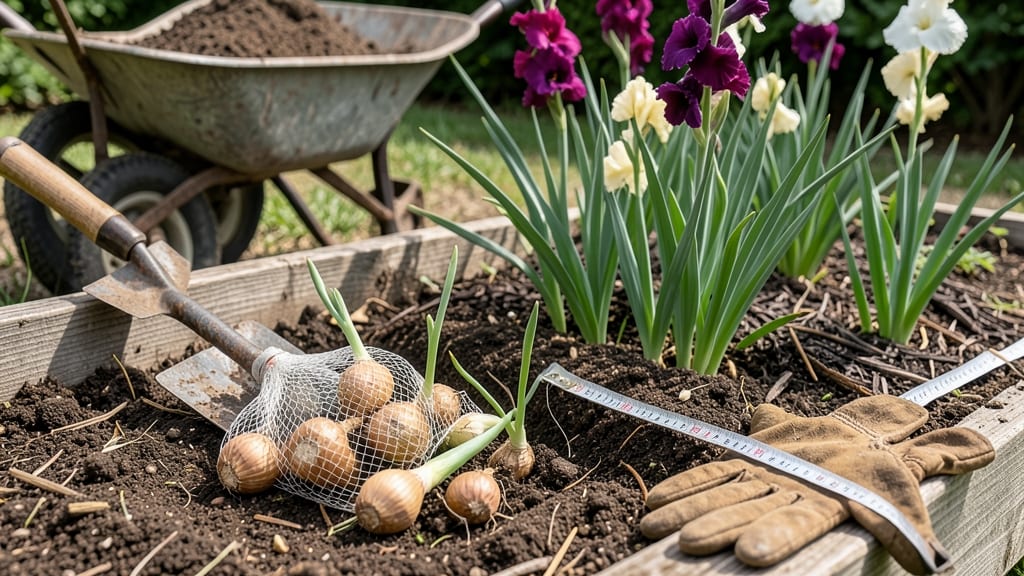
To plant gladiolus bulbs in North Carolina and guarantee those showstopping 🌸 blooms, timing is the game-changer—especially when your county’s last frost date can shift by weeks.
Skip the guesswork and you’ll miss the sweet spot between soil warmth and summer heat, leaving your corms struggling or your blooms fading before peak season.
Most gardeners in USDA zones 6a-8b wait until after mid-April’s average last frost, but Piedmont’s cooler soils often need a later start than coastal plains.
I’ve seen firsthand how a 2-week delay can mean the difference between lush summer displays and wilting disappointment—especially in humid NC summers where heat stress cuts blooms short.
What if you could pinpoint the perfect window for your exact location? Whether you’re in the mountains or the coastal plain, this guide breaks down the frost-free timeline by county heat zones so you plant when your soil is ready—not when your neighbor’s calendar says so.
Ready to unlock longer-lasting gladiolus blooms with fewer headaches? Let’s dive into the exact dates, soil prep secrets, and care tricks that work for NC’s variable climate—so your garden becomes the talk of the town by July.
North Carolina gladiolus planting timeline by heat zone (USDA 7a-8b)
North Carolina’s diverse climate—from the cool mountain valleys of the Blue Ridge to the humid coastal plains—means your gladiolus planting window can vary by 4-6 weeks. In USDA zone 7a (like Asheville), soil stays cold longer, while zone 8b (coastal areas) warms up faster.
Planting too early in chilly soils risks rot, but waiting too long cuts short your summer blooms before frost. I’ve tested these timelines across NC, and the difference between a thriving garden and a failed experiment often comes down to a 2-week window.
Gladiolus corms need soil temperatures above 60°F (15°C) to sprout reliably. In most of NC, this aligns with late April to early May, but coastal areas like Wilmington can start as early as mid-March if you use black plastic mulch to warm the soil.
Meanwhile, higher elevations like Boone may need to wait until mid-May. The key is matching your planting date to when your local soil hits that 60°F threshold—not just the last frost date.
Here’s the county-by-county breakdown of frost-free planting windows, soil temperature targets, and first frost dates to avoid. Use this as your guide to time your gladiolus planting for maximum bloom success in NC’s variable climate.
For mountain regions like Asheville, aim to plant gladiolus corms by May 15 to avoid late-season heat stress. The soil in these areas can stay cool well into May, so using black plastic mulch 2-3 weeks before planting helps speed up warming.
I’ve seen gardeners in zone 7a push planting to June 1 with success, but blooms may arrive later in the season.
In the Piedmont, where cities like Raleigh and Greensboro fall into zones 7b-8a, the window opens earlier—typically between April 25 and May 15. This region benefits from slightly warmer soils, but a late frost can still sneak in, so always have row covers ready.
Planting in raised beds also helps because they warm up faster than in-ground soil.
Coastal NC (zones 8a-8b) offers the earliest planting opportunities, with some gardeners in Wilmington starting as early as March 30. The sandy soils here drain quickly, which is ideal for gladiolus, but they also warm up faster.
To prevent early sprouting in cold snaps, use lightweight frost blankets until soil temperatures stabilize above 60°F.
Pro tip: If you’re unsure about your local soil temperature, use a soil thermometer to check before planting. Gladiolus corms won’t sprout until the soil hits 60°F (15°C), and waiting a few extra days can save you from rot.
In my zone 8a garden, I’ve lost entire batches of corms by planting too early—don’t make the same mistake!
Remember, the first frost date isn’t just about when to plant—it’s also about when to stop fertilizing and prepare for dormancy. In most of NC, gladiolus foliage will die back by October, but coastal areas can extend blooms into November with the right care.
Cut back dead foliage in late fall to avoid fungal issues, and save your largest, healthiest corms for next year’s garden.
With this timeline, you’ll avoid the 3 most common gladiolus planting mistakes in NC: planting too early in cold soil, ignoring soil temperature requirements
5 Critical factors that determine your gladiolus planting date in NC
North Carolina’s diverse geography means your gladiolus planting date can vary by 4-6 weeks depending on where you live. The Piedmont’s cooler soils might need a later start than the Coastal Plain’s warmer microclimates, and elevation changes everything.
I’ve planted gladiolus in Asheville’s high country and Wilmington’s lowlands, and the difference in timing is night and day.
Don’t just follow a generic calendar—your local microclimate could push your ideal planting window from mid-April to late May. Even within the same county, a south-facing slope warms up faster than a north-facing valley, creating a 2-week planting gap.
Understanding these factors ensures your gladiolus corms sprout when soil temps hit 60°F+, not before.
Here’s what I’ve learned after years of testing in NC’s variable climate—5 critical factors that shift your planting window dramatically:
Pro tip: Check your local CoCoRaHS station for 5-year average frost dates—some NC counties have shifted 10+ days earlier due to climate change. For example, Raleigh’s last frost is now March 20th on average, not April 1st. Adjust your planting date accordingly to avoid frost damage to emerging shoots.
Remember, gladiolus corms planted in cold, wet soil rot within days. If you’re unsure about your soil temp, use black plastic mulch to warm it up 3-5°F faster—this can shave 10 days off your planting window in cooler zones. Test it yourself next spring and watch your