
Plants
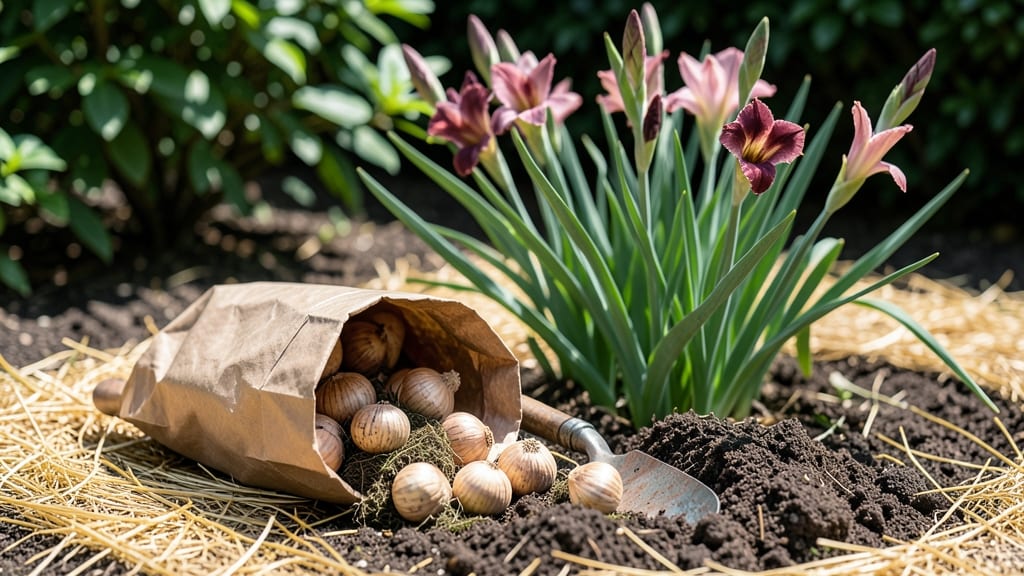
Planting gladiolus in Florida isn’t just about sticking a bulb in the ground—it’s about outsmarting the heat and timing your moves like a pro to get those stunning 🌸 blooms before the summer scorches them.
If you’ve ever watched your glads wilt under the relentless sun or bloom too late to enjoy, you’re not alone. The key? Planting them at the perfect moment—whether you’re in frost-prone North Florida or the frost-free South.
For most of Florida’s 8a-11 zones, the ideal window is August–September for fall blooms or February–March for spring, but there’s a catch: North Florida’s cooler pockets need a little extra care.
I’ll break down exactly when to plant, how deep to go, and which heat-resistant varieties like ‘Red Beauty’ will thrive—so you can skip the guesswork and enjoy bold, long-lasting blooms all season.
Think you can just toss corms in the dirt and hope for the best? Think again. Florida’s humidity and sudden storms demand prep work—like well-draining soil and the right mulch—to keep your glads healthy.
I’ll walk you through every step, from pre-planting soil tests to post-bloom care, so your garden becomes the talk of the neighborhood. Ready to turn your yard into a gladiolus paradise?
Let’s dive into the exact timing, tools, and tricks that’ll have your glads standing tall and proud—no matter where you are in the Sunshine State. Trust me, your future self (and your neighbors) will thank you.
Florida heat-zone planting schedule for gladiolus success
Florida’s 9-11 heat zones demand precision when planting gladiolus corms—too early, and you risk frost in North Florida; too late, and your blooms may struggle under summer’s intensity. The secret? Staggered planting in two key windows: February–March for spring blooms and August–September for fall displays.
This schedule aligns with soil temperatures and rainfall patterns to give your glads the best shot at thriving.
Before you dig, know this: ‘Red Beauty’ and ‘Green Star’ are top picks for Florida’s heat, but even they need the right conditions. Poor soil drainage or inconsistent watering can turn your dream garden into a sad, wilted mess.
Let’s break down the exact timing, soil prep, and planting depth for each Florida region—so you can enjoy bold, long-lasting blooms without the guesswork.
North Florida gardeners in zones 8a-9 face the biggest challenges: late frosts can damage early plantings, while summer’s humidity demands extra care. Start corms in February after the last frost (usually mid-month), but have a backup plan—if temperatures dip below 50°F, cover plants with frost cloth.
For spring blooms, expect flowers by May-June, but mulch heavily to lock in moisture during Florida’s unpredictable dry spells.
Central Florida’s 9a-10 zones offer more flexibility. Plant in February or August for two bloom seasons, but aim for 60°F+ soil temperatures to avoid rot. Here, ‘Green Star’ shines—its heat-resistant foliage handles Central Florida’s 90°F+ afternoons better than most.
Feed with 10-10-10 fertilizer in March and September to boost bloom size, and stake tall varieties early to prevent wind damage from summer storms.
South Florida’s 10a-11 zones are the easiest—plant year-round, but avoid peak summer heat (June-July) when soil temps can exceed 90°F, stressing corms. For continuous blooms, stagger plantings every 2-3 weeks from February through September.
In this region, ‘Red Beauty’ thrives with minimal fuss, but watch for snails and slugs—they love gladiolus leaves! Use copper barriers or diatomaceous earth to protect young shoots.
No matter where you garden, soil prep is non-negotiable. Gladiolus corms rot in waterlogged soil, so amend clay-heavy areas with compost or sand to improve drainage. Test your soil’s pH—glads prefer 6.0-6.5.
If your yard is alkaline (pH >7.0), mix in peat moss or sulfur before planting. Pro tip: Plant corms in raised beds
Critical mistakes to avoid when planting gladiolus in Florida’s climate
Planting gladiolus in Florida’s humid heat and unpredictable frost pockets can go wrong fast if you don’t know the critical timing and care tips.
One wrong move—like planting too early in North Florida’s cooler zones—can leave your corms vulnerable to frost damage, while overwatering in the summer turns your soil into a rot-prone swamp. Even experienced gardeners fall into these traps, but I’ve learned the hard way which mistakes to avoid.
The biggest blunder? Ignoring Florida’s heat zone differences. South Florida’s frost-free winters let you plant gladiolus corms year-round, but North Florida’s January frost risk means waiting until after March 15 to avoid damage.
Meanwhile, summer planting in August-September is ideal for fall blooms, but timing must be precise to beat the hurricane season downpours.
⚠️ 3 Deadly Planting Mistakes in Florida
- Planting too early in North FL (before March 15) risks frost damage to corms.
- Overwatering causes root rot—glads need well-draining soil and 1-2 inches/week max.
- Skipping mulch in summer = baked soil and stunted growth—use 2-3 inches of straw.
Pro Tip: Test soil pH (6.0-7.0) before planting—Florida’s sandy soil often needs compost or peat moss.
Another common error is planting corms too shallow. In Florida’s intense sun, corms need 4-6 inches of depth to stay cool and prevent sunburn. I once buried mine only 2 inches deep, and they sprouted but flopped over in the heat.
Dig deeper—your glads will thank you with taller, sturdier stems.
Florida’s humidity and sudden storms also demand smart watering. Many gardeners drown their glads, thinking they need constant moisture. The truth? Overwatering = rot. Water deeply once a week (more in summer) but ensure soil drains fast. A raised bed with perlite works wonders for Florida’s clay-heavy soils.
Don’t forget the mulch. Without it, Florida’s summer sun turns soil into a 120°F oven, shocking corms. Spread 2-3 inches of straw after planting to lock in moisture and regulate temperature. I’ve seen glads in mulched beds bloom 2 weeks earlier than unmulched ones—proof it’s a game-changer.
Finally, resist the urge to fertilize too early. Gladiolus need balanced 10-10-10 fertilizer at planting, but overdoing it burns roots. Wait until 6 weeks after sprouting for a second feeding. And always deadhead spent blooms to redirect energy into longer-lasting flowers.
By avoiding these pitfalls—timing, depth, water, mulch, and fertilizer—your glads will thrive in Florida’s climate, blooming bold and bright from spring to fall. 🌸