
Plants
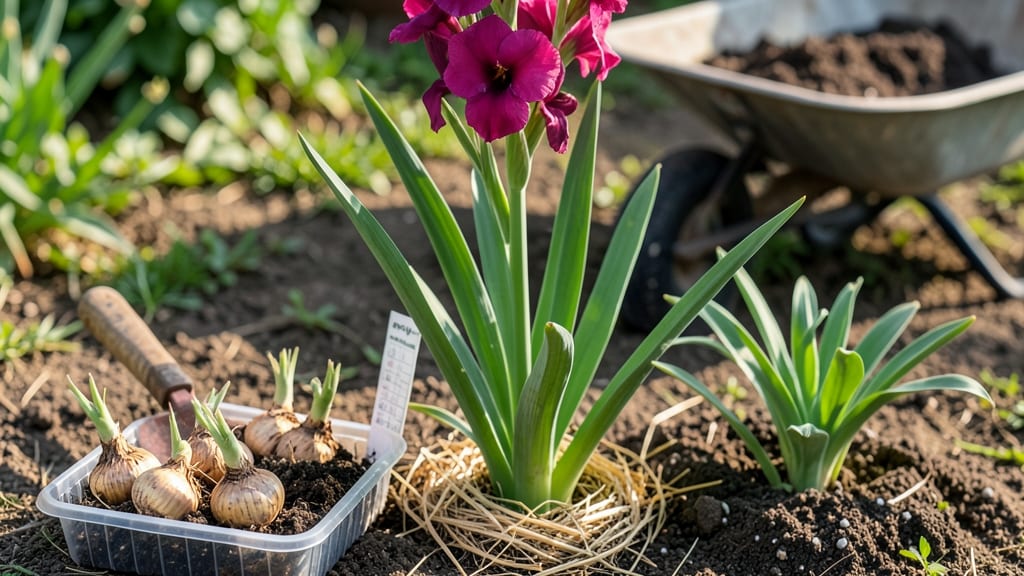
Timing your Gladiolus 🌸 planting in Colorado isn't just about the calendar—it's about beating frost at your exact elevation. Plant too soon, and a late spring freeze will turn your corms to mush; too late, and you'll miss the July-to-September blooms that make these towering flowers worth the wait.
I've seen firsthand how Colorado's USDA zones 5-7 create wildly different planting windows—Denver's urban gardens need corms in the ground by late April, while high-plains ranchers wait until early June.
The key? Knowing your last frost date and adjusting for altitude, because a 5,000-foot Front Range garden behaves nothing like a 9,000-foot Western Slope plot.
What you're about to discover is a frost-free timeline that actually works for Colorado's unpredictable weather. We'll cover soil prep tricks to warm cold ground faster, the best heat-tolerant varieties for each zone, and how to stretch your blooming season by 4-6 weeks—even when Mother Nature throws curveballs.
Whether you're a Denver balcony gardener or a Weld County farmer, these elevation-specific strategies will help you avoid the 3 most common mistakes that turn Colorado's gladiolus dreams into sad, wilted stalks. Let's get those corms in the ground at the perfect moment—no guesswork, just blooms.
Colorado gladiolus planting dates by elevation zone (frost-free guides)
Colorado’s elevation diversity means your gladiolus planting window could vary by 1-2 months depending on whether you're gardening in Denver’s Front Range or the Eastern Plains. Timing is critical—plant too early, and late frosts will damage tender corms; too late, and you’ll miss summer blooms.
Let’s break down the frost-free planting zones and best varieties for each.
Gladiolus thrive in USDA Zones 5-7, but Colorado’s microclimates create unique challenges. The Front Range (5,000–7,000 ft) has earlier last-frost dates than the Western Slope (6,000–9,000 ft), while the Eastern Plains (3,500–5,000 ft) often enjoys longer growing seasons.
Use this guide to align your planting with local frost averages and heat tolerance needs.
| Elevation Zone | Avg. Last Frost | Planting Window | Heat-Tolerant Varieties | Key Tip |
|---|---|---|---|---|
| Front Range (5,000–7,000 ft) | May 1–15 | Late April–early May | ‘Picasso’, ‘Green Star’, ‘Black Pearl’ | Use black plastic mulch to warm soil faster. |
| Western Slope (6,000–9,000 ft) | May 15–June 1 | Early May–mid-May | ‘Attila’, ‘White Friendship’, ‘Swan Lake’ | Stagger plantings every 2 weeks for extended blooms. |
| Eastern Plains (3,500–5,000 ft) | April 15–May 1 | Early April–late April | ‘Pink Parfait’, ‘Navajo’, ‘Sandy’ | Prioritize drainage—Eastern Plains soils can compact. |
For the Front Range, aim to plant gladiolus corms 4–6 weeks before your average last frost date—typically late April to early May. Varieties like ‘Picasso’ and ‘Green Star’ handle Denver’s temperature swings well, while ‘Black Pearl’ thrives in partial shade if your garden gets intense afternoon sun.
Use black plastic mulch to accelerate soil warming, especially in urban microclimates where heat islands delay frost.
The Western Slope presents a trickier timeline due to later frost risks at higher elevations. Plant between early and mid-May, focusing on heat-tolerant varieties like ‘Attila’ (deep red) or ‘White Friendship’, which handle dry mountain air better than delicate hybrids.
If you’re near Aspen or Telluride, consider a staggered planting schedule—install 1/3 of your corms in early May, another 1/3 in mid-May, and the final batch by late May for continuous blooms.
Gardeners on the Eastern Plains enjoy the earliest planting window, with April 15–May 1 being ideal. This zone’s longer growing season allows for earlier varieties like ‘Pink Parfait’ or ‘Navajo’, which bloom in July–August.
However, watch for compacted clay soils—amend with compost or sand to prevent rot in heavy rains. The Lamar or Sterling areas often see 10–14 extra frost-free days compared to Denver, so don’t rush!
No matter your elevation, soil temperature is your best guide. Wait until the ground reaches at least 60°F (15°C)—use a soil thermometer to avoid cold shock. In high-altitude gardens (above 7,000 ft), consider container growing with heat mats to extend your season.
And remember: gladiolus corms are non-hardy—dig them up before first frost (typically mid-October) and store in a cool, dry place for next year.
Pro tip: Mark your calendar for July 4th weekend—this is when most Colorado gardens hit peak gladiolus bloom time. For cut flowers, harvest stems when the second bud from the bottom just begins to open.
Snip in the early morning and place stems in lukewarm water to extend vase life by 5–7 days.
🌸
How to extend your gladiolus season in Colorado’s short growing area
Colorado’s unpredictable frost dates and short growing season can make gladiolus planting feel like a high-stakes game. But with the right strategies, you can coax extra blooms from your garden by beating frost and extending your gladiolus season.
The key lies in combining soil warming, cold-hardy varieties, and smart planting schedules tailored to your microclimate.
Urban Denver gardens face different challenges than rural high plains plots—city heat islands can delay frost, while mountain valleys experience earlier freezes. By leveraging these microclimate advantages, you can create a staggered blooming schedule that keeps your garden vibrant from July through September.
Let’s dive into proven techniques that work in Colorado’s diverse growing zones.
🌱 Proven Strategies to Extend Your Gladiolus Season
- 1. Soil Warming: Use black plastic mulch or garden fabric to raise soil temps by 10-15°F—critical for early spring planting in high-elevation zones.
- 2. Cold-Hardy Varieties: Choose 'Romeo' or 'White Prosperity'—these tolerate 28°F and bloom earlier than standard types.
- 3. Staggered Planting: Plant 3 batches 2 weeks apart to spread blooms from July to September—perfect for Colorado’s 150-day frost-free window.
- 4. Microclimate Hacks: Urban gardens? Plant near south-facing walls. Rural areas? Use low-lying spots that trap heat.
- 5. Frost Cloches: Protect late bloomers with hoop houses or row covers when night temps dip below 32°F.
For urban gardeners in Denver or Colorado Springs, leverage the heat island effect by planting gladiolus corms 2-3 weeks earlier than rural areas. City sidewalks and buildings retain heat, creating a warmer microclimate that can extend your planting window by 10-14 days.
Monitor local weather stations like Colorado State University’s frost maps to fine-tune your schedule.
Rural growers should focus on soil preparation—amend heavy clay soils with compost or sand to improve drainage, which prevents rot in cold, wet springs. Add a 2-inch layer of straw mulch after planting to insulate corms and conserve moisture during Colorado’s dry growing season.
This simple step can mean the difference between healthy blooms and frost-damaged plants.
Don’t forget about late-summer bloomers! If your first planting finishes by early August, try a second round of heat-tolerant varieties like 'Green Star' or 'Pink Parfait'.
These thrive in Colorado’s hot September days and often produce second flushes of flowers before frost arrives. Just plant them 6-8 weeks before your first expected frost in October.
With these techniques, you’ll transform Colorado’s short growing season into a long, vibrant display of gladiolus blooms—proving that even in challenging climates, beauty and resilience can grow side by side. 🌸