
Plants
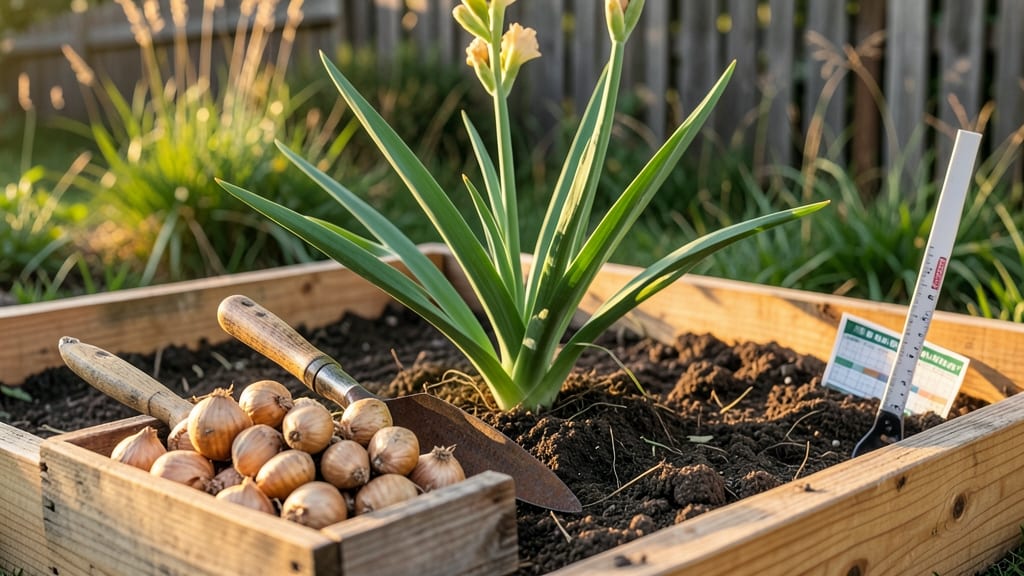
Timing your gladiolus planting in Maine just right means the difference between weeks of stunning 🌸 blooms and disappointed gardeners staring at bare soil. The mid-May to early June window isn't just a suggestion—it's when soil warms enough for these heat-loving corms to thrive in your 5b-6a zone.
Here's the secret most gardeners miss: waiting for consistent 60°F soil temperatures (not just air temps) is what prevents those dreaded late frosts from wiping out your investment.
I've learned the hard way that rushing too early can leave your gladiolus vulnerable, while planting too late might mean missing peak summer color.
Whether you're planting directly in garden beds or using containers for cooler microclimates, we'll cover exactly how to time it perfectly. You'll discover the 3 key factors that determine success in Maine's unpredictable climate—and why your neighbors' blooms might be failing while yours shine.
Let's get your gladiolus off to the strongest start possible with location-specific tips that actually work in New England's growing conditions. Your summer garden will thank you for it!
Maine’s Best gladiolus planting dates: frost-free deadlines & hardiness zones
Timing your gladiolus planting in Maine is all about beating the last frost while avoiding early-season soil chill. These summer-blooming beauties need warm soil—typically 60°F or above—to thrive.
In Maine’s USDA Zones 5b-6a, that means waiting until mid-May to early June for most regions, but your exact window depends on microclimates and elevation.
Maine’s last frost dates vary wildly: coastal areas like Portland often see frost-free soil by May 10-15, while inland spots like Bangor may wait until May 25-30. High-elevation gardens in the White Mountains can face frost risks well into June.
Always check your local USDA Plant Hardiness Zone and track soil temperature—not just air temperature—to avoid planting too early.
Planting too soon risks cold soil damage, stunted growth, or even bulb rot. Conversely, waiting too long cuts your bloom season short, since gladiolus need 90-120 days to mature.
The sweet spot? Aim for late May to early June in most of Maine, with adjustments for your specific zone.
Here’s how to calculate your frost-free window: Subtract your average first frost date (mid-October) from your last frost date. Maine’s growing season typically spans 165 days, but gladiolus need 100+ days of warm weather to reward you with those dramatic spikes of color.
If you’re in Zone 6a (coastal Maine), you can push planting to late May for early blooms, but always verify soil warmth with a soil thermometer. Inland gardeners in Zone 5b should wait until early June to avoid frost damage.
For northern Maine (Zone 5a), mid-June is safer, and high-elevation areas may need to delay until late June.
Pro tip: Use black plastic mulch or row covers to warm soil faster if you’re eager to plant early. This trick can shave 1-2 weeks off your frost-free window, giving gladiolus a head start. Just remove covers once sprouts appear to prevent overheating.
For container gardening in Maine, you can extend the season by planting in heat-loving pots and moving them to sunny spots or even patios. This is especially useful if your yard’s soil stays cold too long.
Just ensure containers have drainage holes and use a lightweight potting mix to prevent waterlogging.
Watch for late-spring frost warnings in Maine—even after Memorial Day! If frost is forecasted after planting, protect your gladiolus with f
Soil temperature & pre-planting prep: the hidden factors that determine success
Maine’s cool springs often leave gardeners guessing whether their gladiolus bulbs will thrive or rot in cold soil. Unlike air temperature, soil temperature directly impacts root growth—gladiolus corms need soil at least 60°F (15°C) to sprout consistently.
Testing your soil’s warmth before planting can mean the difference between vibrant blooms and wasted corms.
Even after the last frost (typically mid-May in Maine), chilly soil can delay germination by weeks. I’ve seen gladiolus planted in 50°F (10°C) soil take twice as long to emerge compared to warmer beds.
The key is preparing your soil 2-3 weeks before planting to ensure it’s ready when your corms arrive.
Here’s the critical rule: Soil temperature matters more than air temperature for gladiolus. Use a soil thermometer (just $15 at garden centers) to check depth—gladiolus roots grow 4-6 inches deep, so test at that level. If your soil runs below 55°F (13°C), your corms may rot before sprouting.
🌱 Maine Gladiolus Soil Prep Checklist
- Test soil temp: Must reach 60°F (15°C) at 4" depth
- Warm soil fast: Black plastic mulch raises temp 5-10°F in 2 weeks
- Amend soil: Mix in compost + perlite for drainage
- Plant depth: 4-6 inches deep, 6" apart
- Frost buffer: Use row covers if nights dip below 45°F (7°C)
⏰ Best window: Plant when soil hits 60°F (15°C)—usually late May to early June in Maine
To warm cold Maine soil, I swear by black plastic mulch laid 2-3 weeks before planting. It raises soil temps by 5-10°F and suppresses weeds—just remove it once corms sprout. For organic gardeners, spread aged compost (2-3 inches) 1-2 weeks before planting to boost microbial activity, which generates heat naturally.
Drainage is equally critical—gladiolus corms rot in soggy soil. If your garden holds water, amend with coarse sand or perlite (1 part to 3 parts soil). I’ve had success with raised beds in Maine’s clay-heavy soils; they warm faster and drain better.
For in-ground planting, choose slightly elevated spots where water runs off quickly.
Pro tip: If your soil tests too cold in early May, stagger your planting. Start with heat-loving varieties in warmed beds, then add cooler-tolerant types when soil finally reaches 60°F (15°C).
This extends your bloom season by weeks! Just mark your planting spots with biodegradable flags to track progress.
Remember, gladiolus bulbs are tough once established, but they demand warm, well-drained soil to start. With these prep steps, you’ll turn Maine’s cool springs into a bloom-filled summer—no matter what the air temperature says. 🌸