
Plants
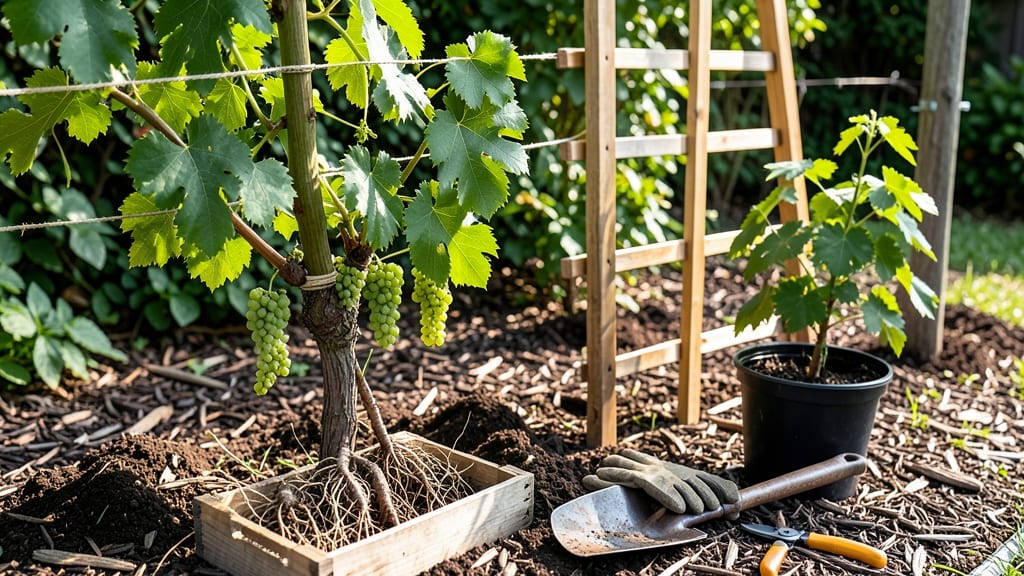
Planting grapes in Alabama at the wrong time could mean your vines never recover from late frosts or sweltering heat—so timing isn’t just important, it’s the difference between a thriving 🍇 harvest and wasted effort.
You’ve got just a 3-week window each year to plant bare-root vines before the last frost hits in mid-March, but Alabama’s varied microclimates mean your exact deadline depends on whether you’re in Birmingham’s heat zone or the cooler hills of north Alabama.
I’ll show you how to pinpoint your perfect planting date, including soil temperature tricks to jumpstart growth and the best grape varieties that actually thrive in Alabama’s 7a-8b zones—no guesswork, just proven results.
Whether you’re a first-time gardener or a seasoned vine grower, these insights will help you avoid common mistakes and get your grapes off to the strongest possible start.
Alabama grape planting zones by heat zone deadlines (avoid frost risk)
Alabama’s USDA zones 7a-8b create a unique challenge for grape growers—hot summers mean early planting, but unpredictable last frost dates can catch vines off guard.
In northern Alabama (zone 7a), frost lingers until mid-March, while southern regions (zone 8b) may see frost as late as early April. Understanding these heat zone deadlines ensures your vines establish roots before summer heat sets in.
For muscadine grapes, Alabama’s native variety, the ideal planting window is February 15 to March 15—early enough to avoid summer stress but late enough to prevent frost damage. Vinifera varieties (like cabernet sauvignon) need even more precision, requiring soil temperatures above 50°F and planting between March 1 and April 15.
Hybrid grapes fall somewhere in between, with a March 1 to April 10 window.
Urban gardeners face additional risks due to microclimates. Concrete and buildings can trap heat, creating warmer microclimates that may allow earlier planting. However, urban frost pockets (like valleys) can delay frost by 1-2 weeks.
Rural areas generally follow the USDA zone guidelines more closely, with 2-3 weeks earlier planting possible in southern Alabama.
Here’s how to align your planting with Alabama’s heat zone deadlines and avoid frost risk:
| Grape Type | USDA Zone | Last Frost Date | Planting Window | Soil Temp | Microclimate Note |
|---|---|---|---|---|---|
| Muscadine | 7a-8b | Mid-March (7a) / Early April (8b) | Feb 15 - Mar 15 | 50°F+ | Hardy; urban areas may plant 1 week earlier |
| Vinifera (e.g., Cabernet) | 8a-8b | Early April | Mar 1 - Apr 15 | 55°F+ | Sensitive; rural areas plant 2 weeks earlier |
| Hybrid (e.g., Norton) | 7a-8a | Late March | Mar 1 - Apr 10 | 52°F+ | Moderate; urban frost pockets delay planting |
Northern Alabama’s zone 7a gardeners should prioritize muscadine grapes for their frost tolerance. Plant bare-root vines in late February and use row covers if frost threatens. In zone 8b, you can extend planting into early April, but ensure well-draining soil to prevent root rot from Alabama’s summer humidity.
For urban gardeners, monitor local weather stations—microclimates can shift planting deadlines by 1-3 weeks. If your area has late frost records, delay planting until April 1 for vinifera varieties. Rural areas with warmer microclimates (like valleys) may plant 2 weeks earlier without risk.
Always check Alabama A&M’s frost maps for real-time updates. A 30-day forecast can reveal if your last frost date will be earlier or later than average. Adjust your planting window accordingly—muscadine grapes are forgiving, but vinifera vines need precision to thrive in Alabama’s heat.
Pro tip: Plant 2-3 grape varieties with staggered deadlines. This spreads risk if frost strikes early or late. For example, plant muscadine in February, hybrids in March, and vinifera in April. This ensures at least one variety survives Alabama’s unpredictable frost patterns.
🌱
Best months to plant grapes in Alabama: soil prep and variety-specific timing
Alabama’s extended growing season gives you two prime windows to plant grapes: late winter and early fall. But timing isn’t one-size-fits-all—your choice depends on the grape variety and your local frost dates.
For most of Alabama, March is ideal, but northern regions may need to wait until April to avoid late frosts. Let’s break down the best approach for your soil prep and variety-specific deadlines.
Before you plant, check your soil temperature. Grapes root best when soil is between 50-65°F. In Alabama, this typically aligns with February to early April. Use a soil thermometer to confirm—cool soil can delay root establishment, leaving young vines vulnerable.
For fall planting, aim for October to early November, giving vines time to root before winter dormancy. However, fall planting is riskier in frost-prone areas like north Alabama.
- 1 Spring Planting (March-April): Best for vinifera grapes (e.g., Cabernet Sauvignon) and hybrids. Plant 2-3 weeks before last frost—typically mid-March in southern Alabama, early April in the north. Soil must be warmer than 50°F.
- 2 Fall Planting (October-November): Ideal for muscadine grapes, which thrive in Alabama’s heat. Plant 6-8 weeks before first frost (usually late October in the south, early November in the north). Soil should cool to 60-65°F for root growth before dormancy.
- 3 Soil Prep Checklist: Test pH (6.0-6.5), amend with compost, and till to 12 inches deep. Add organic matter for drainage—Alabama’s clay soils need this! Plant on a south-facing slope to maximize sun exposure.
-
4
Variety Deadlines:
- 🍇 Muscadine: Plant October-November (fall) or February-March (spring). Heat-tolerant—perfect for Alabama’s summers.
- 🍷 Vinifera (e.g., Cabernet): March-April only. Needs winter chill but struggles with Alabama’s humidity—choose disease-resistant varieties.
- 🍇 Hybrids (e.g., Norton): March-April or October. Balances cold hardiness and heat tolerance—best for USDA Zone 7-8.
Alabama’s humidity and heat demand extra care during planting. After prepping your soil, soak the root zone thoroughly before placing your bare-root vines in the hole. Space muscadines 8-10 feet apart (they’re vigorous!) and vinifera/hybrids 6-8 feet apart.
Install a trellis system immediately—grapes need support, and Alabama’s storms can weigh down unsecured vines. Mulch heavily with straw or pine needles to retain moisture and suppress weeds.
Don’t overlook drainage. Alabama’s clay-heavy soils can suffocate roots if water pools. If your site has poor drainage, consider raised beds or mounds. For container planting, use large pots (at least 15-gallon) with drainage holes—ideal for urban gardeners or frost-prone areas.
Just remember, containers dry out faster in Alabama’s heat, so monitor soil moisture closely.
Once planted, water deeply once a week for the first month to encourage root growth. Avoid overhead watering to prevent fungal diseases like powdery mildew, which thrives in Alabama’s damp summers. After establishment, focus on pruning in late winter to shape your vines and improve airflow.
With the right timing and prep, your grapes will reward you with a bountiful harvest from August to October—just in time for Alabama’s peak heat! 🍇