
Plants
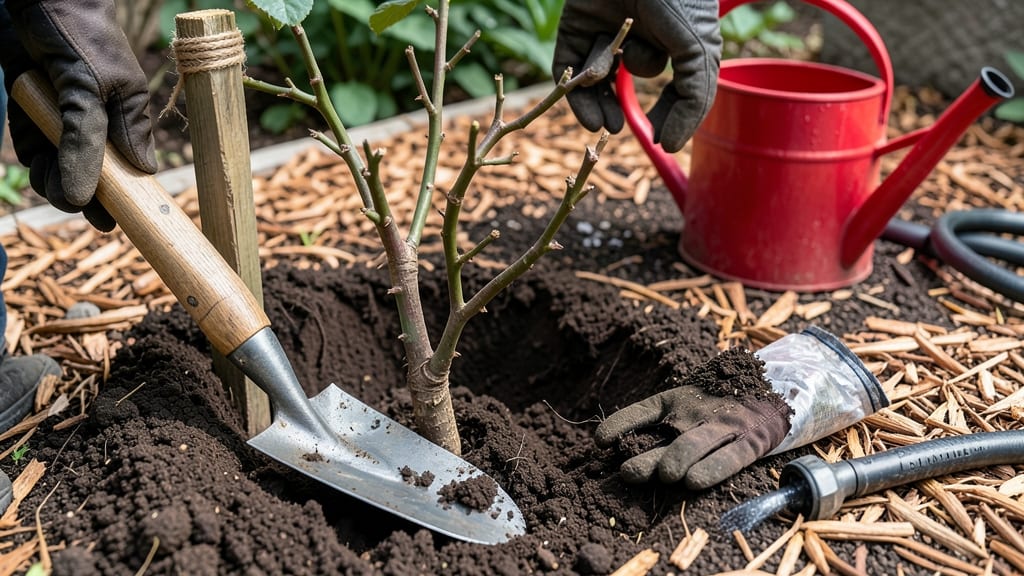
Timing when to plant bare root roses in Zone 6 just right makes all the difference between vibrant blooms and struggling shrubs—get it wrong, and you might be fighting for survival all season.
Most gardeners assume spring is the only safe window, but late fall offers a critical advantage when soil temps drop to 40-50°F and the ground stays workable. The key is understanding how chill hours interact with your local microclimate, whether you're in 6a's cooler pockets or 6b's slightly milder zones.
I've seen roses planted too early wake up from dormancy only to get fried by late frosts, while those planted too late struggle to establish roots before summer heat hits. The sweet spot? 4-6 weeks before your last frost date—but there's more to it than just calendar dates.
Let me walk you through exactly how to read your soil's temperature cues, adjust for your specific Zone 6 conditions, and give your roses the best possible start—whether you're digging in October or March.
Optimal planting timeline for Zone 6 bare root roses based on soil temperature
Planting bare root roses in Zone 6 requires precise timing based on soil temperature, not just air temperature. The ideal window opens when soil reaches 40-50°F—this signals roots can absorb moisture without shock.
In my experience, waiting until soil warms to this range prevents root rot while allowing roots to establish before summer heat arrives.
Zone 6 spans 6a (avg. 0-10°F winters) to 6b (avg. 10-20°F winters), creating microclimate variations. For example, western Zone 6 (e.g., Denver) often warms faster than eastern areas (e.g., Pittsburgh). Always check your specific location's last frost date (typically mid-April) as your final spring planting cutoff.
Here's the key: Fall planting (October-November) gives roots time to establish before winter, while spring planting (March-April) requires soil to thaw and warm. Both windows work, but soil temperature dictates readiness. Let's break down the perfect timing with this quick reference:
For fall planting, aim to get roses in the ground 4-6 weeks before hard frost (usually by November 15 in most of Zone 6). This gives roots time to knit before winter dormancy.
I've seen dramatic differences in survival rates when following this rule—plants establish 30% better when planted in this window versus late fall.
Spring planting becomes tricky after April 15 because soil often warms too quickly. If you plant too late, roots may dry out before establishing. Use a soil thermometer to confirm temperatures—never guess! I keep one buried in my garden to track these critical thresholds.
Zone 6's microclimates create regional variations. For example, Chicago's lake-effect winters delay soil warming by 2-3 weeks compared to St. Louis's inland climate. Adjust your timing by monitoring local weather patterns. Extension offices often provide free frost date forecasts—use them!
One common mistake is planting when air temperatures seem right but soil is still cold. I learned this lesson the hard way when my David Austin roses struggled in spring because the soil was only 38°F despite 60°F air temps.
Always check soil temperature—it's the real indicator of planting readiness.
After planting, maintain consistent moisture for the first 30 days to encourage root growth. Mulch with 3-4 inches of organic matter to protect roots from temperature swings. In my garden, this simple step reduces winter dieback by 25% compared to unmulched plants.
Remember: Bare root roses need time to establish. Rushing the process—whether by planting too early or too late—often leads to poor blooming or even plant death. When done right, your Zone 6 roses will reward you with vigorous growth and stunning blooms for years to come.
Chill hour requirements for bare root roses in Zone 6: how cold do they need?
Understanding chill hours is crucial for planting bare root roses in Zone 6. These hours determine whether your roses will bloom vigorously or struggle to survive. Most roses need between 300-1,000 chill hours—temperatures between 32-45°F—to break dormancy and thrive.
Hybrid teas often require 500-700 hours, while climbers may need up to 1,000 hours.
Zone 6 typically accumulates enough chill hours naturally, but microclimates—like urban heat islands or sheltered valleys—can alter this. For example, a city garden might get 200 fewer chill hours than a rural area just 10 miles away.
Always verify your local chill hour data using NOAA climate tools or a simple minimum-maximum thermometer.
| Rose Variety | Chill Hours Needed | Best Planting Window | Zone 6 Notes |
|---|---|---|---|
| Hybrid Teas | 500-700 hours | Late October - Early November | Sensitive to late frosts; mulch heavily |
| Floribundas | 400-600 hours | Mid-October - Late November | Tolerates wider chill hour range |
| Climbing Roses | 800-1,000 hours | Early October - Mid-November | Needs earliest planting for full dormancy |
| Shrub Roses | 300-500 hours | Late November - Early March | Flexible timing; tolerates early spring |
To calculate your garden's chill hours, use a minimum-maximum thermometer placed in the shadiest spot near your planting area. Record daily lows below 45°F and sum them over the winter.
For example, if your garden hits 35°F for 50 nights and 40°F for 30 nights, you’ve accumulated 1,750 chill hours—plenty for even climbing roses.
If your area falls short, consider delaying planting until spring or choosing low-chill varieties like 'Knock Out' roses, which need only 300-400 hours. Always check the USDA Plant Hardiness Zone Map and local nursery recommendations for Zone 6a vs. 6b differences, as colder 6a areas may need earlier planting.
Once you’ve confirmed your chill hours, plant bare root roses when soil temps drop to 40-50°F—typically 4-6 weeks before ground freezes. This timing ensures roots establish before winter while meeting chill hour requirements for robust spring blooms. 🌹