
Companion Plants
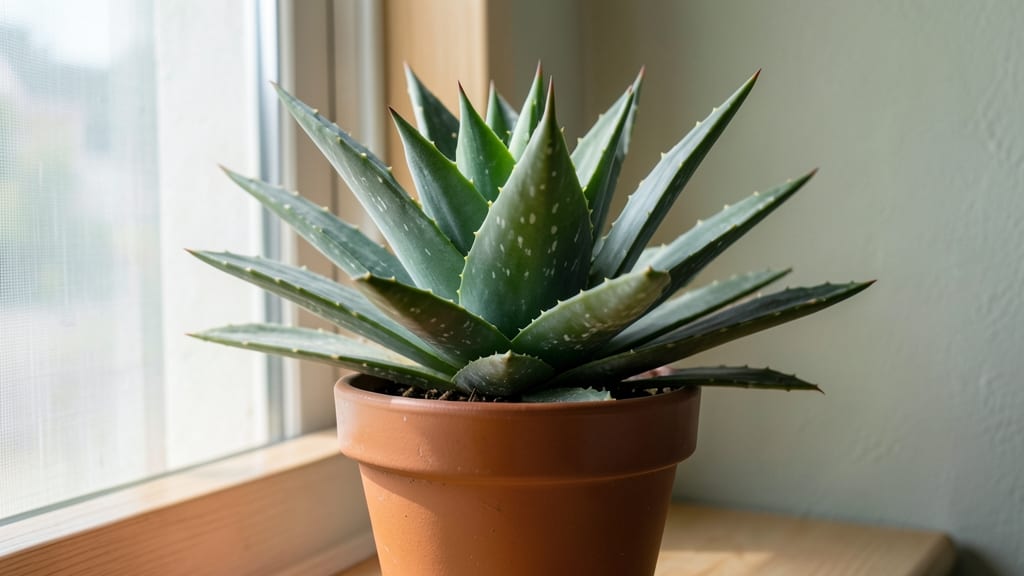
Want to know how much light does an aloe plant need to thrive? It’s not watering—it’s light. Too little, and your plant stretches pitifully toward the window; too much, and those gorgeous leaves turn crispy.
The good news? Finding that sweet spot is easier than you think, and I’ll show you exactly how to get it right—whether your aloe lives indoors or basking in the sun.
Most people assume aloe thrives in any sunny spot, but the truth is more nuanced. Your 🌵 actually prefers bright indirect light—think morning sun or filtered afternoon rays. Direct midday sun can scorch those leaves, while dim corners leave it weak and leggy.
The key is balance, and I’ll break down how to spot the difference between "just right" and "not quite there."
If you’ve ever watched your aloe’s leaves turn yellow or develop brown patches, you’re not alone. These are classic signs of light stress, and the fixes are simpler than you’d expect.
Whether you’re dealing with a south-facing window or a shady corner, I’ll walk you through adjusting light exposure so your plant stays happy year-round—no guesswork required.
Ready to transform your aloe from "struggling survivor" to "showstopper"? Let’s dive into the exact light conditions your plant craves, plus pro tips for indoor growers who need a little extra help. Your 🌵’s future starts here.

Ideal light requirements for aloe vera: bright indirect sunlight explained
Aloe vera thrives under bright indirect sunlight, but understanding the specifics can make all the difference between a healthy plant and one struggling to survive. Native to arid regions, aloe naturally adapts to intense light, yet it can also suffer from sunburn if exposed too abruptly.
The key is finding that perfect balance—enough light to fuel growth without causing damage.
If you're growing aloe indoors, a south-facing window is ideal, providing the strongest natural light. Outdoors, partial shade during peak afternoon hours helps prevent leaf scorch. Without proper light, aloe leaves grow thin, pale, and leggy—a sure sign your plant is starving for sunlight.
Summary table for aloe light needs:
| Light Requirement | Specifics | Indoor Solution | Outdoor Solution |
|---|---|---|---|
| Minimum Daily Light | 6 hours of bright indirect light | South-facing window | Morning sun + afternoon shade |
| Optimal Light Intensity | 5,000-10,000 lux (moderate to high) | Grow lights (12-14 hrs/day) | Dappled sunlight under trees |
| Maximum Tolerance | Direct sun (2-3 hours max) | Sheer curtain filter | East or west exposure |
| Seasonal Adjustments | Reduce light in summer; supplement in winter | Rotate plant weekly | Move to sheltered spot |
| Signs of Insufficient Light | Pale, stretched leaves | Upgrade to grow lights | Relocate to sunnier spot |
For indoor aloe plants, position them within 2-3 feet of a window to maximize light exposure. If your space lacks natural light, supplement with a LED grow light (12-14 hours daily) to mimic sunlight.
Outdoor aloe should avoid harsh midday sun, especially in hot climates, where temperatures exceed 90°F (32°C).
In winter months, when daylight shortens, aloe may enter dormancy. Reduce watering and keep it in the brightest spot available—even a well-lit room with artificial lighting can suffice. Conversely, during summer heatwaves, provide afternoon shade to prevent leaf bleaching or crispy edges.
If you notice red or brown patches on leaves, it’s a clear sign of sunburn. Gradually acclimate new aloe plants to sunlight by exposing them to 1-2 hours of direct light daily, then slowly increasing exposure over 2-3 weeks. This hardening-off process mimics natural conditions and prevents shock.
Another common mistake is assuming all south-facing windows provide equal light. Double-pane windows or those with tinted glass can block up to 30% of UV rays, leaving your aloe light-deprived.
Test your window’s light quality by holding a sheet of paper near your plant—if it casts a faint shadow, the light is likely insufficient.
For outdoor aloe gardens, prioritize locations with dappled sunlight, such as under deciduous trees or near building walls. These spots offer protection from intense afternoon rays while still providing ample light. Mulch around the base with gravel or pebbles to reflect light upward and improve growth.
Remember, aloe vera’s light needs are flexible but not unlimited. With the right balance, you’ll reward yourself with thick, vibrant leaves and a plant that thrives year-round. Start by assessing your space, then adjust gradually—your aloe will thank you with lush, healthy growth.
Signs your aloe plant isn’t getting enough (or too much) light
Aloe plants are resilient, but they’ll scream for help when their light needs aren’t met. If your plant looks leggy or pale, it’s likely starving for sunlight.
On the flip side, brown patches or crispy edges mean it’s getting scorched. Let’s decode these visual stress signals so you can adjust care fast.
Start by checking your aloe’s leaf color. Healthy aloe leaves are vibrant green with a slight blue-gray tint. If they’re turning yellow or pale, your plant needs more bright indirect light. Meanwhile, reddish or purple hues signal too much direct sun, especially during peak afternoon hours.
Aloe plants thrive in 6+ hours of bright indirect sunlight daily. Too little light causes stunted growth and weak stems, while intense afternoon sun can burn leaves. South-facing windows are ideal, but east or west exposure works too—just avoid harsh midday rays.
✅ DO: Rotate your plant weekly for even growth
❌ DON’T: Place near cold drafts or direct afternoon sun
Look at your aloe’s growth pattern. If it’s reaching upward like a tall stalk, it’s stretching for light. This etiolation happens when aloe doesn’t get enough bright light. Move it closer to a window or supplement with a grow light if natural light is limited.
Another red flag? Soft or mushy leaves. While often linked to overwatering, poor light weakens the plant, making it more susceptible to rot. If your aloe’s leaves feel squishy, check both its light exposure and watering habits—they’re connected!
For over-exposed aloe, watch for white or brown patches on leaves. These are sunburn signs, common in hot climates or near west-facing windows. In summer, filter sunlight with a sheer curtain or move your plant a few feet back from the window.
Pro tip: Test your spot by holding your hand near the plant. If it’s too hot to touch, the light’s too intense. Aloe prefers gentle, diffused sunlight—think morning sun or dappled shade. Adjust gradually to avoid shocking your plant.
Remember, aloe plants are adaptable, but they communicate through their leaves. Pay attention to these visual cues, and you’ll keep your aloe thriving year-round—no guesswork needed! 🌵