
How To
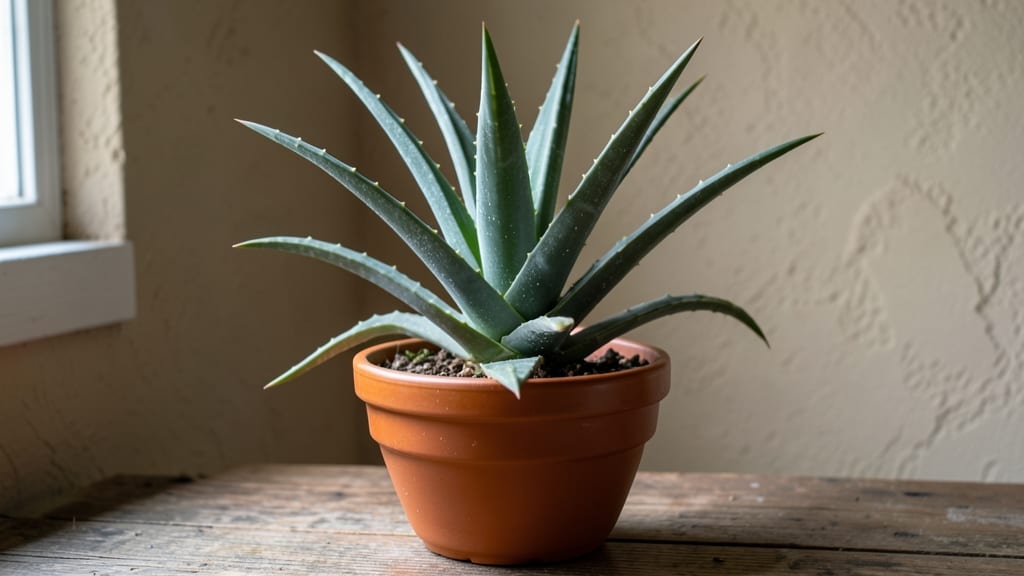
Need to know how much light your 🌱 aloe plant thrives in? Too little sunlight and you'll end up with sad, leggy leaves that stretch desperately toward the window. But get it just right, and you'll unlock vibrant growth, thick medicinal leaves, and a plant that practically glows with health.
Most aloe plants crave 6+ hours of bright, direct sunlight daily, whether you're growing them indoors or out. That means a south-facing window or a sunny spot in your yard—just avoid the harsh midday sun in summer, which can scorch those tender leaves.
The key is balance: enough light to power photosynthesis, but not so much it turns your plant into a crispy snack.
Here's the game-changer: aloe plants are surprisingly adaptable. In cooler climates like USDA Zone 6a, they'll happily bask in full sun all day during spring and summer.
But if you notice leaves turning yellow or brown, it's time to adjust—either move your plant or give it a little shade break. We'll show you exactly how to spot these signs and fix them fast.
Whether you're a beginner or a seasoned grower, mastering the light needs of your aloe is the secret to keeping it healthy and thriving year-round. Let's dive into the specifics so you can give your plant exactly what it needs to flourish.

Ideal sunlight requirements for aloe vera growth by stage
Aloe vera plants thrive under bright, direct sunlight, but their light needs change dramatically as they grow. Seedlings, mature plants, and even flowering stages all require slightly different sunlight conditions to stay healthy.
Understanding these stages helps you avoid common mistakes like sunburned leaves or stunted growth from insufficient light.
For seedlings, gentle, indirect light is best to prevent shock. Mature aloe vera plants crave 6-8 hours of direct sunlight daily, while flowering aloe vera needs even more light to produce those stunning blooms.
Let’s break down the exact sunlight requirements for each growth stage so you can give your aloe vera the perfect light conditions at every phase.
| Growth Stage | Sunlight Needs | Daily Duration | Light Type | Signs of Stress |
|---|---|---|---|---|
| Seedlings | Bright, indirect light | 4-6 hours | East-facing window | Leggy growth, pale leaves |
| Mature Plants | Full sun exposure | 6-8 hours | South or west window | Brown leaf tips, sunburn |
| Flowering Stage | Intense, direct sunlight | 8+ hours | Outdoor full sun | No blooms, weak stalks |
Seedlings need gentle light conditions to avoid stress. Place them near an east-facing window where they receive 4-6 hours of bright, indirect sunlight daily. Too much direct light at this stage can cause leaf scorch, while too little leads to weak, leggy growth.
If you notice your seedlings stretching toward the light, they’re begging for more—but keep it indirect until they’re a few inches tall.
Once your aloe vera reaches mature plant stage, it’s time to crank up the sunlight. Aim for 6-8 hours of direct sunlight daily, ideally from a south or west-facing window. This is when your plant will develop its signature thick, vibrant leaves.
Without enough light, mature aloe vera plants become pale and weak, while too much can cause brown, crispy leaf tips—a clear sign of sunburn.
When your aloe vera finally flowers—a rare but magical sight—it needs maximum sunlight exposure. Move it outdoors to a sunny spot where it can soak up 8+ hours of direct sunlight daily.
Flowering aloe vera requires this extra light to produce those stunning orange or yellow blooms. If your plant isn’t flowering, it’s likely not getting enough light or nutrients.
One of the biggest mistakes I see is assuming all aloe vera plants need the same light. Over-exposure symptoms include brown patches or white, dried-out areas on leaves, while under-lighting symptoms show up as yellowing leaves or stretched, thin growth.
If you spot these signs, adjust your plant’s position immediately. For over-exposure, move it to a shadier spot or use a sheer curtain to filter the light.
For under-lighted aloe vera, gradually increase sunlight exposure over a week to avoid shocking the plant. If indoor light isn’t enough, consider a grow light for 12-14 hours daily.
LED grow lights work wonders for aloe vera, especially in north-facing windows or dimly lit rooms. Just keep the light 6-12 inches above the plant to mimic natural sunlight.
Seasonal changes also affect your aloe vera’s light needs. In summer, outdoor plants can handle full sun all day, but watch for midday heat stress.
Provide afternoon shade if temperatures exceed 90°F. In winter, reduce sunlight exposure slightly to prevent leaf burn from intense winter sun combined with cold temperatures.
Pro tip: Rotate your aloe vera plant quarter-turns every few weeks to ensure even growth. Plants naturally lean toward the light, so rotating helps keep them symmetrical and sturdy. This simple habit prevents lopsided growth and ensures all leaves get equal access to sunlight.
Remember, aloe vera is a sun-worshipper at heart. By tailoring light exposure to each growth stage, you’ll reward your plant with healthier leaves, faster growth, and maybe even those rare, beautiful flowers.
Pay attention to the signs your plant gives you—it’s the best way to keep it thriving year-round. 🌱
How to adjust light conditions for indoor vs. outdoor aloe plants
Aloe plants thrive in bright, indirect light but can handle direct sunlight for parts of the day. The key is balancing their needs based on whether they're indoors or outdoors.
For outdoor aloe, morning sun paired with afternoon shade works best, while indoor aloe needs a south-facing window or supplemental grow lights. Seasonal changes also play a role—summer heat can scorch leaves if not adjusted properly.
Indoor aloe plants often struggle with low light conditions in north-facing rooms, leading to pale, stretched leaves. Outdoors, they love full sun exposure but need protection from intense afternoon rays during peak summer months.
The trick is observing your plant’s leaf color and growth patterns to fine-tune their light environment. Let’s break down the best approaches for both settings.
⚠️ callout warning
While aloe plants love south-facing windows, summer sun can deliver too much direct light, causing leaf burn. If you notice brown patches or crispy edges, move your plant 3-4 feet back or use a sheer curtain to filter the light. Outdoor aloe should be placed in partial shade during midday heat to prevent damage.
For indoor aloe plants, place them within 2-3 feet of a south-facing window to get 4-6 hours of bright light daily. If natural light is insufficient, use a full-spectrum LED grow light for 12-14 hours per day.
Rotate the pot quarter-turn weekly to ensure even growth. Avoid north-facing windows, as they provide too little light, leading to weak, leggy growth.
Outdoor aloe plants need 6+ hours of sunlight daily, but afternoon shade is crucial in summer. If your plant is in a hot, dry climate, provide dappled shade between 11 AM and 3 PM to prevent sunburn.
In cooler months, they can handle full sun exposure without issues. Watch for yellowing leaves, which may indicate overwatering in low light or underwatering in intense sun.
Seasonal adjustments are key—spring and fall are ideal for outdoor aloe, while winter indoors may require supplemental light. If your plant starts leaning toward the light source, it’s a sign of insufficient light.
Move it closer to the window or add a grow light immediately. Overcast days indoors? Supplement with a bright desk lamp to maintain energy levels.
Remember, aloe plants are drought-tolerant but light-sensitive. If you’re unsure about your setup, start with moderate light and adjust based on your plant’s response. With the right balance, your aloe will reward you with thick, vibrant leaves and minimal maintenance. Happy growing! 🌱