
Plants
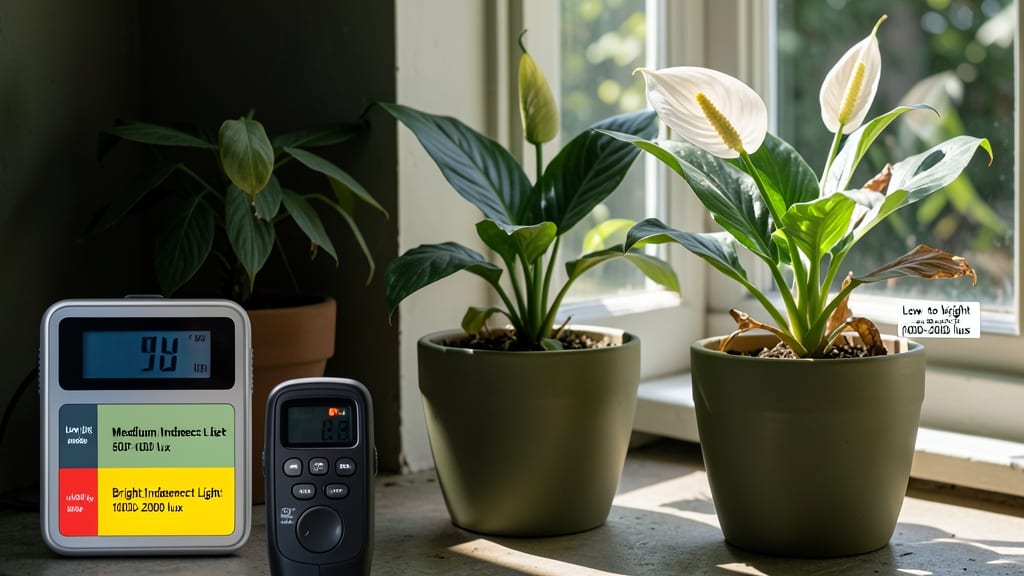
If your peace lily plant needs how much light to thrive, you’re probably giving it the wrong kind—drooping, yellowing, or refusing to bloom are classic signs of light stress.
Unlike sun-loving plants, peace lilies thrive in bright indirect light, but too much direct sun can scorch their delicate leaves, while dim corners leave them weak and sad.
Finding the perfect spot isn’t rocket science, but it does require understanding their tropical roots. These plants love dappled light, like what you’d find under a canopy in their natural habitat.
A north-facing window or a few feet back from an east or west-facing one is ideal—just avoid harsh midday sun.
Here’s the game-changer: even low-light conditions work if you adjust care slightly. I’ll show you how to spot signs of light stress and tweak your setup for lush, vibrant growth—no matter where you place your peace lily in your home.
Ready to turn your droopy plant into a flourishing statement piece? Let’s dive into the exact lighting conditions your peace lily craves—and how to keep it happy year-round.

Peace lily light requirements: ideal bright indirect light explained
Peace lilies (Spathiphyllum) thrive in bright indirect light, mimicking their natural tropical understory habitat. Unlike sun-loving plants, they burn easily in direct sunlight, while too little light causes leggy growth and drooping. The key is finding that golden middle where leaves stay lush and vibrant.
Think of your peace lily’s ideal spot as morning coffee light—bright enough to read by but without harsh afternoon rays. East-facing windows provide perfect morning sun, while west-facing windows can get too intense in late afternoon.
North-facing windows offer the gentlest light, ideal for plants that struggle with brightness.
Here’s the light intensity spectrum for peace lilies, ranked from worst to best:
| Light Type | Intensity Level | Peace Lily Response | Best For |
|---|---|---|---|
| Direct Sunlight | 100% Brightness | Leaf burn, crispy edges | Avoid completely |
| Bright Indirect | 40-60% Brightness | Healthy growth, glossy leaves | Ideal spot |
| Medium Indirect | 20-40% Brightness | Slow growth, pale leaves | Temporary tolerance |
| Low Light | <10% Brightness | Leggy stems, few flowers | Last resort |
For bright indirect light, position your peace lily 3-6 feet from an east or north window. If using a south-facing window, place it 8+ feet away or use a sheer curtain to diffuse the light. Rotate the pot quarter-turn weekly to ensure even growth—uneven light causes lopsided foliage.
Pro tip: Test your spot with the "shadow test". Hold your hand near the plant—if you see a clear shadow but no harsh edges, it’s perfect.
If the shadow is faint, move closer to the light; if it’s sharp, back away. This trick works for any indirect-light plant, from ferns to calatheas.
In rooms with no natural light, supplement with LED grow lights (6,500K color temp) for 12-14 hours/day. Place bulbs 12-18 inches above the plant to mimic canopy light. Avoid incandescent bulbs—they emit too much heat and dry out the soil.
Watch for seasonal light shifts. Winter’s shorter days mean your peace lily may need supplemental light to prevent dormancy. Move it closer to a window or add a low-wattage grow bulb (10-15 watts) to maintain its tropical rhythm.
Remember: Peace lilies are survivors. Even in low-light offices, they’ll adapt, though their growth may slow. The moment you notice yellowing leaves or stretched stems, it’s time to adjust their lighting.
With the right spot, your peace lily will reward you with glossy leaves and frequent blooms all year.
🌿
Signs your peace lily needs more (or less) light
Your peace lily (Spathiphyllum) is a master of disguise—it’ll hide stress until it’s too late. Those subtle shifts in leaf color or stem posture are its way of screaming for help. Yellowing leaves or brown crispy tips?
That’s your plant’s SOS signal for light adjustments. Let’s decode these clues so you can rescue your leafy friend before it’s too late.
First, check your peace lily’s leaves. If they’re drooping dramatically or developing pale, limp foliage, it’s craving more light. This happens when your plant isn’t getting enough bright indirect light—its energy source.
On the flip side, crispy brown edges or bleached white patches mean it’s getting too much direct sun, which burns its delicate tropical skin.
⚠️ callout warning ⚠️
Too Little Light: Yellow leaves, stunted growth, no blooms
Too Much Light: Brown leaf tips, white patches, leaf scorch
Fix: Move to 2-4 ft from north window or use sheer curtains to diffuse harsh light. Rotate plant weekly for even growth.
Let’s talk stem health. A peace lily with weak, leggy stems stretching toward the light is begging for a brighter spot. Think of it like a sunbathing teenager—it’s reaching for that bright indirect glow.
Meanwhile, if stems are thick and sturdy but leaves are crispy, you’ve overdone the sunlight. The key is balance: morning sun is ideal, but afternoon rays can be brutal.
Don’t ignore the soil moisture either. Peace lilies in low light often retain water longer, leading to root rot if overwatered. If your plant’s leaves feel soggy or drop off easily, it might be light-starved and overwatered.
Let the top inch of soil dry out between waterings, and pair that with better light exposure for a happy medium.
For immediate fixes, move your peace lily to a bathroom with indirect light or near an east-facing window. If that’s not an option, rotate the pot weekly so all sides get equal light.
Avoid south or west windows—they’re like tanning beds for your plant and will cause leaf burn faster than you can say “oops.”
Pro tip: Dust those leaves! Dust blocks light absorption, making your plant think it’s in shade mode. Wipe leaves gently with a damp cloth every 2 weeks to keep them photosynthesis-ready.
Your peace lily will thank you with glossy green leaves and frequent white blooms—the ultimate sign you’ve nailed its light needs.