
Plants
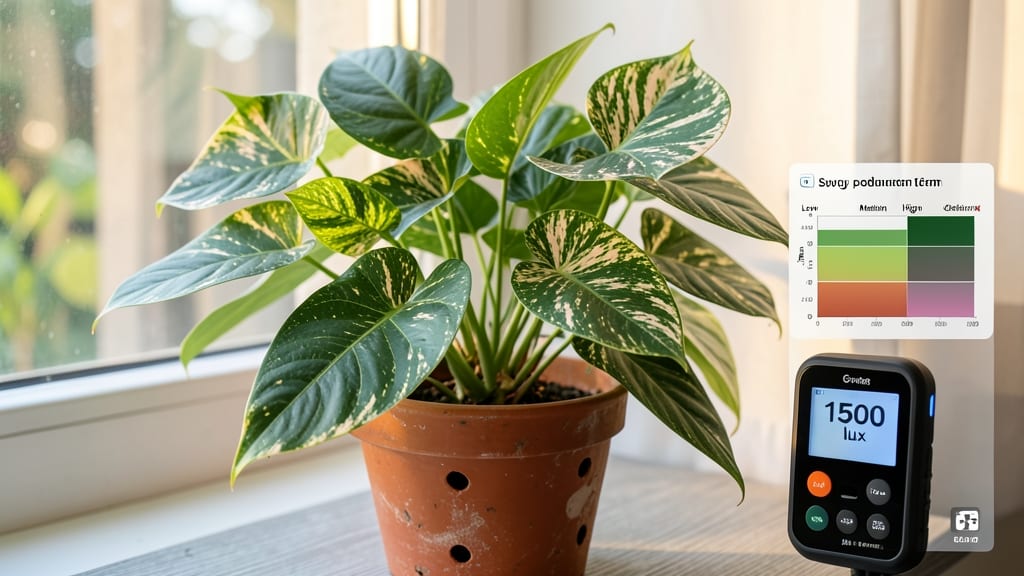
Wondering how much light your Arrowhead Plant 🌿 truly needs to thrive? The answer isn’t as simple as "more is better"—this tropical beauty actually thrives in bright, indirect sunlight, and too much direct sun can turn its leaves into crispy snacks.
If you’ve ever watched your Arrowhead Plant stretch toward the window like it’s desperate for attention, you’re not imagining things—it’s begging for the right light conditions. Too little light dulls its vibrant foliage, while too much can scorch its delicate leaves, leaving you with a sad, sunburnt plant.
I’ve spent years perfecting the ideal setup for my own Arrowhead Plant, and the secret isn’t just about placing it near a window. It’s about understanding the subtle differences between morning sun, afternoon shade, and even artificial grow lights.
Let me show you exactly how to create the perfect light environment for your plant to flourish.
From identifying the best window spots in your home to troubleshooting common light-related problems, you’ll learn how to keep your Arrowhead Plant looking lush and healthy year-round—without guessing or overcomplicating things.

Ideal light Requirements for arrowhead plants: bright, indirect sunlight explained
Arrowhead plants (Syngonium podophyllum) thrive in bright, indirect sunlight, making them perfect for indoor spaces with natural light. Unlike sun-loving succulents, these plants avoid harsh midday rays that can burn their delicate foliage.
The key is finding that golden middle ground—enough light for vibrant growth without causing stress. Understanding your space’s light intensity will help you place your arrowhead plant where it flourishes.
Light needs vary based on your plant’s growth stage and location. Young arrowhead plants prefer slightly shadier conditions to prevent leaf scorch, while mature plants can handle more indirect light.
Seasonal changes also play a role—winter’s weaker sunlight may require adjustments, while summer’s intense rays demand extra caution. Let’s break down exactly how to assess and optimize your plant’s light environment.
Pro Tip: Use the shadow test to gauge your space’s light quality. Place a small object (like a pencil) near a potential spot and observe its shadow at midday. A sharp, defined shadow means direct sun—too harsh for arrowheads. A soft, diffused shadow indicates ideal bright indirect light. Aim for shadows that are slightly blurred but still visible—this is your arrowhead plant’s sweet spot.
| Light Condition | Description | Ideal For | Arrowhead Plant Response |
|---|---|---|---|
| Low Light | North-facing windows, rooms far from windows, artificial lighting only | New leaves, young plants, winter months | Leggy growth, pale leaves, slow growth |
| Bright Indirect Light | East/west-facing windows, 2-3 feet from south-facing windows with sheer curtains | Mature plants, year-round care | Vibrant foliage, compact growth, healthy new leaves |
| Direct Sunlight | South-facing windows without filters, midday sun exposure | None (avoid) | Brown leaf tips, crispy edges, leaf burn |
| Artificial Grow Lights | LED grow bulbs, 10-12 hours/day, 6-12 inches above plant | Low-light spaces, winter supplements | Steady growth, prevents etiolation (stretching) |
For indoor environments, east-facing windows are ideal because they provide gentle morning sunlight without the intensity of afternoon rays. If your only option is a south-facing window, place your arrowhead plant 3-4 feet away and use sheer curtains to diffuse the light.
West-facing windows can work too, but close blinds during peak afternoon sun (1 PM–4 PM) to prevent overheating.
In offices or low-light spaces, supplement natural light with LED grow lights. Position the light 6–12 inches above your plant and keep it on for 10–12 hours daily to mimic daylight.
Avoid incandescent bulbs, which emit too much heat and can damage leaves. A cool-white or full-spectrum LED is your best bet for maintaining your arrowhead’s vibrant foliage without stress.
Seasonal adjustments are crucial. During winter, when daylight is shorter and weaker, move your arrowhead plant closer to a bright window or increase artificial light exposure.
In summer, watch for longer daylight hours—if leaves start looking bleached or crispy, it’s a sign of too much direct sun. Rotate your plant quarter-turns weekly to ensure even growth and prevent it from leaning toward the light source.
Common Mistake Alert: Many gardeners assume "more light is better," but arrowhead plants reject intense sunlight. A telltale sign of over-exposure is brown, crispy edges on leaves, while under-lighting causes long, leggy stems and small, pale leaves. Both extremes stress your plant, so monitor and adjust as seasons change. A happy arrowhead plant should have bold, arrow-shaped leaves with rich green or variegated patterns—a clear sign it’s thriving in its ideal light conditions.
To maximize your arrowhead’s potential, combine bright indirect light with proper humidity (40–50% is ideal). Mist leaves occasionally or place the pot on a pebble tray with water to mimic its tropical origins.
With the right light balance, your arrowhead plant will reward you with lush, vibrant growth and year-round beauty—even in the heart of winter.
Signs your arrowhead plant isn’t getting the right light (and how to fix it)
Your arrowhead plant (Syngonium) might be sending you signals that its light conditions are off. If the leaves are turning yellow or developing brown patches, it’s likely struggling with either too much direct sun or not enough light.
These visual cues help diagnose whether your plant needs more brightness or better shade.
Another red flag is when your plant starts growing leggy or stretched, reaching toward the light source. This etiolation occurs when the plant isn’t getting enough light, causing weak stems and sparse foliage.
Even worse, crispy or sunburned edges on leaves mean it’s receiving harsh, direct sunlight it can’t tolerate.
⚠️ WARNING: Light Requirements for Arrowhead Plants ⚠️
To fix leggy growth, rotate your plant quarter-turns weekly to ensure even light exposure. If the leaves are pale or dull, move it closer to a sunny window or use a reflective surface like a white wall to bounce light onto the plant. For sunburned spots, filter the light with a sheer curtain or relocate the plant to a shadier spot.
If your arrowhead plant is in a north-facing window, it may need extra light, especially in winter. Consider adding a LED grow bulb to mimic natural sunlight. Monitor the plant’s response—healthy growth means you’ve found the right balance. Adjust gradually to avoid shocking the plant with sudden light changes.
Remember, arrowhead plants are adaptable but need consistency. If you notice new leaves growing smaller or drooping, it’s another sign the light isn’t quite right. Tweak its position and observe how it responds over a few weeks.
Patience and attention to detail will help your plant thrive in its perfect light spot.
For extra peace of mind, keep a light journal to track your plant’s progress. Note where you place it, how the leaves change, and any adjustments you make. This simple habit helps you fine-tune the environment for a lush, happy arrowhead plant that keeps growing beautifully year-round. 🌿