
How To
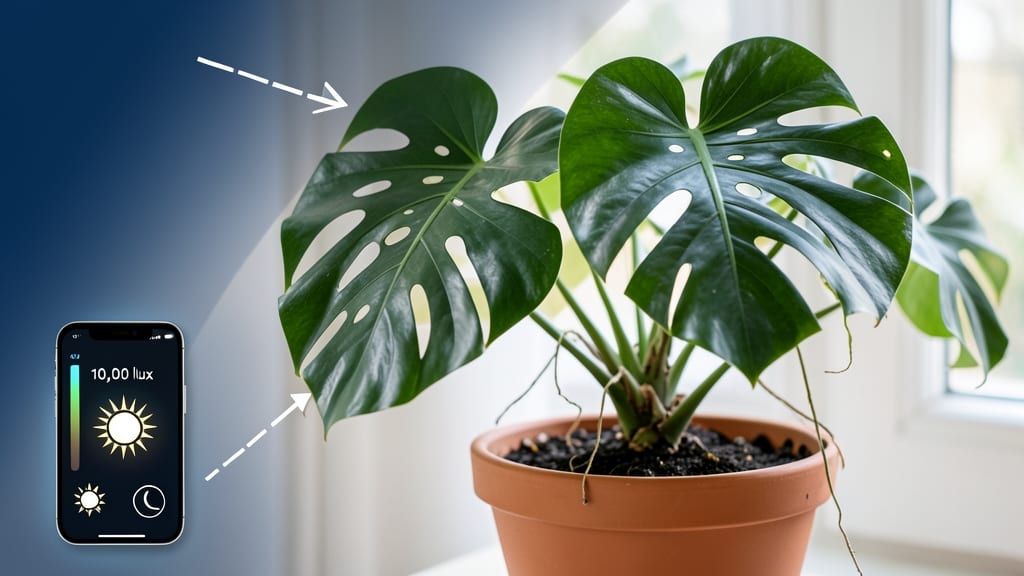
Finding the perfect balance of light for your monstera plant 🌿 can feel like solving a puzzle—too little and it stretches weak, too much and it gets crispy-edged. The key lies in bright indirect light, but how do you know exactly what your plant needs?
Most Monsteras thrive with 4 to 6 hours of filtered sunlight daily, mimicking their jungle origins. Without this, you’ll notice slow growth or pale leaves, but direct rays can scorch them faster than you’d expect. Let’s break down the ideal setup so your plant grows lush and strong.
Whether you’re dealing with a leggy juvenile or a mature vine, small tweaks—like rotating the pot or adjusting window placement—can make all the difference. I’ll show you how to spot the signs of light stress and fix them before they become permanent damage.
From east-facing windows to grow lights, you’ll learn the exact conditions your monstera craves—no guesswork, just thriving foliage. Ready to unlock the secret to those stunning splits?
Ideal light hours for monstera deliciosa: bright indirect sunlight breakdown
Your Monstera Deliciosa thrives on bright indirect sunlight, but getting the balance right can feel tricky. Too little light, and your plant stretches toward the window with leggy growth and sparse leaves.
Too much direct sun, and you’ll see brown crispy edges or bleached patches. The sweet spot? 4 to 6 hours of filtered light daily, mimicking its natural understory habitat in tropical forests.
Indoor growers often struggle with this balance, especially in homes with south-facing windows or limited natural light. The key is positioning your monstera near a window where sunlight is diffused—like through a sheer curtain—rather than placing it directly in the sun’s path.
This ensures your plant gets enough light to develop those prized fenestrations (leaf splits) without risking damage.
Seasonal adjustments are crucial, too. In winter, when daylight is shorter, you may need to supplement with a grow light for 6–8 hours daily to maintain your monstera’s health. Conversely, in summer, watch for midday sun intensity and move your plant slightly away from the window during peak hours (11 AM–3 PM) to prevent scorching.
Now, let’s break down the exact light requirements in a clear, actionable format to help you optimize your monstera’s environment:
| Light Requirement | Specification | Ideal Conditions |
|---|---|---|
| Daily Light Hours | 4–6 hours | Bright indirect light (e.g., east-facing window) |
| Light Intensity | 40–60% sunlight | Filtered through curtains or sheer fabric |
| Direct Sun Tolerance | 0–1 hour max | Avoid midday sun (11 AM–3 PM) |
| Winter Supplement | 6–8 hours | Use grow lights if natural light drops below 4 hours |
| Best Window Placement | East or North | 2–3 feet from the window |
If your monstera isn’t getting enough light, you’ll notice slow growth and small, dark green leaves with no fenestrations. This is your plant’s way of telling you it’s stretching for more light.
To fix this, rotate your plant quarter-turns weekly to encourage even growth, and consider moving it closer to a brighter window—or adding a LED grow light 6–12 inches above the plant for 12–14 hours daily.
On the flip side, over-exposure to direct sunlight causes brown patches or yellowing leaves, especially on the edges. These are classic signs of sunburn. If you spot these, immediately move your monstera to a shadier spot and avoid watering the leaves until they recover.
In extreme cases, trim the damaged foliage to redirect the plant’s energy toward new, healthy growth.
Pro tip: Test your monstera’s light conditions by observing its leaf color and growth rate. Healthy monstera leaves should be deep green with glossy texture, while struggling plants often develop dull, yellowing, or crispy edges.
Adjust your placement gradually—don’t move your plant from low light to bright indirect sunlight overnight, as this can cause leaf drop due to shock.
For outdoor monstera enthusiasts, partial shade (like under a dappled tree canopy) is ideal during the hottest months. If you’re growing yours in a greenhouse or conservatory, ensure it’s protected from intense afternoon sun with shade cloth or a sheer screen.
With the right light balance, your monstera will reward you with bold fenestrations and rapid, lush growth.
Remember, consistency is key. Monitor your monstera’s response to its light environment weekly and tweak as needed. A happy monstera is one that’s well-lit—but never over-exposed! 🌿
How to adjust light conditions for different monstera growth stages
Monstera plants grow at different rates depending on their stage—juvenile plants need gentler light, while mature plants can handle more brightness. Understanding these stages helps you adjust light conditions to avoid stunted growth or leaf damage.
For example, a 3-year-old monstera with fenestrations (those iconic splits) needs more light than a young plant still developing its first leaves.
If your monstera is struggling to develop splits or has small, dark leaves, it likely needs more light. Conversely, crispy edges or yellow patches signal too much direct sun.
The key is gradual adjustment—never move a plant from low light to bright indirect sun overnight, or you risk shocking its delicate leaves.
Juvenile vs. Mature Monstera Light Needs
Juvenile Monstera (0–2 years)
- ✅ Low to medium light (1,000–2,000 lux)
- ✅ East-facing windows ideal
- ✅ Slow growth is normal
- ❌ Avoid direct sun (burn risk)
Mature Monstera (3+ years)
- ✅ Bright indirect light (2,000–3,000 lux)
- ✅ South or west windows (with filter)
- ✅ Faster growth and splits
- ❌ No harsh afternoon sun (3 PM+)
For juvenile monsteras, start with an east-facing window—it provides gentle morning sun without the harsh afternoon heat. If your plant is leggy (long stems with small leaves), rotate it quarter-turns weekly to encourage even growth toward the light source.
This prevents one-sided stretching and keeps your monstera compact and sturdy.
When transitioning a mature monstera to brighter conditions, do it gradually over 2–3 weeks. Move it closer to the window by 6 inches every few days and watch for leaf color changes.
If leaves develop brown patches, it’s a sign of too much direct sun—immediately move it back or add a sheer curtain to diffuse the light.
West-facing windows can work for mature monsteras, but only if you use a light filter (like a translucent curtain) to block the intense afternoon rays. Without protection, leaves will scorch, turning crispy and brown along the edges.
For indoor setups, a grow light on a timer (12–14 hours/day) is a great backup, especially in winter when natural light dims.
Seasonal changes also require adjustments. In winter, supplement with a LED grow bulb if your monstera loses variegation or grows slowly. In summer, watch for sunburn signs and adjust placement accordingly. With the right light strategy, your monstera will reward you with bold fenestrations and lush, vibrant leaves.