
Companion Plants
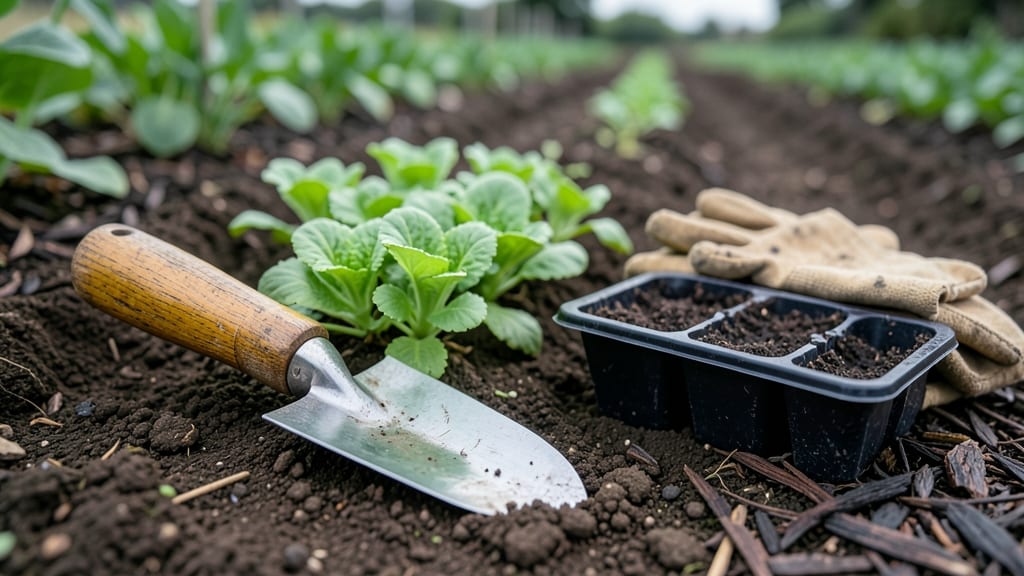
Timing your lettuce planting in Zone 6 can mean the difference between a crisp, homegrown salad and a sad, wilted mess. The key is planting 4-6 weeks before your last frost date—typically around mid-March—to give those tender 🥬 leaves time to establish roots without freezing.
But here’s the catch: if you plant too late, summer’s heat will turn your lettuce bitter or cause it to bolt. That’s why late summer (August-September) is your second chance for a fall harvest.
Cold-hardy varieties like romaine or butterhead can handle early spring temps, while heat-tolerant types like romaine hold up better in late summer.
Whether you’re sowing seeds directly in the garden or starting them in containers, I’ll break down the exact schedule to maximize your harvest. You’ll learn how to stretch your growing season, avoid common mistakes, and even troubleshoot if frost sneaks in early—or heat arrives too soon.
Let’s get those lettuce seeds in the ground at the perfect time so you can enjoy fresh, homegrown greens all season long. Ready to dive in?
Zone 6 lettuce planting calendar: exact weeks before last frost for success
Timing your lettuce in Zone 6 means working with a 165-day frost-free window—from mid-April to mid-October. The key is planting 4-6 weeks before your last frost date (typically around March 15-April 1), but this varies by variety and microclimate.
Cold-hardy types like romaine can handle light frosts, while butterhead and leaf lettuce need gentler conditions.
For Zone 6, your last frost date is usually April 15. Count backward 4-6 weeks to determine your ideal planting window. Early varieties like Winter Density romaine can go in as soon as February 15 under protection, while heat-sensitive buttercrunch should wait until March 20 for best results.
| Variety | Cold Tolerance | Planting Window | Weeks Before Last Frost | Harvest Time |
|---|---|---|---|---|
| Romaine (e.g., Winter Density) | ❄️ 25°F (-4°C) | Feb 15 - Mar 15 | 6-8 weeks | May - June |
| Butterhead (e.g., Buttercrunch) | ❄️ 28°F (-2°C) | Mar 20 - Apr 1 | 4-6 weeks | May - June |
| Leaf Lettuce (e.g., Black Seeded Simpson) | ❄️ 20°F (-7°C) | Feb 20 - Apr 10 | 5-7 weeks | April - July |
| Fall Varieties (e.g., Jericho) | ❄️ 25°F (-4°C) | Aug 1 - Aug 31 | 8-10 weeks before first frost | Sept - Oct |
Adjust your planting timeline if your Zone 6 area experiences early or late frosts. Check your local USDA frost map—some regions may have last frosts as late as April 30. For these areas, delay planting until April 15 to avoid frost damage to tender seedlings.
Fall planting in Zone 6 starts 8-10 weeks before your first frost (usually August 1). Heat-tolerant varieties like Jericho romaine thrive in these conditions. Use shade cloth (30-50%) if temperatures exceed 80°F to prevent bolting.
For container growing, start seeds indoors 6-8 weeks before transplanting outdoors. Use biodegradable pots to avoid root disturbance. Place containers in partial shade during summer to protect from heat stress.
Soil temperature is critical—lettuce germinates best in 45-85°F soil. Use a soil thermometer to confirm readiness. If soil is too cold (40°F), cover seeds with black plastic mulch to warm the soil faster.
Extend your harvest by planting succession crops every 2-3 weeks from March to July. This ensures a continuous supply of fresh lettuce without gaps. Pair with radishes (fast-growing) to mark planting rows and track progress.
Watch for bolt-resistant varieties like Romaine or Oakleaf if your summer stretches into 90°F+ temperatures. These varieties tolerate heat better than traditional butterhead types, which bolt quickly when stressed.
Protect young seedlings with row covers if overnight temperatures dip below 30°F. Even cold-hardy varieties like Winter Density can suffer frost damage if exposed too early in the season.
🥬
How to extend your lettuce harvest in Zone 6: succession planting and heat tolerance hacks
Want to enjoy fresh lettuce all season in Zone 6? The key is succession planting and smart heat management. By staggering plantings every 2-3 weeks, you can avoid the summer bolting trap while maximizing your harvest window.
Start with cold-hardy varieties like Winter Density or Arctic King in early spring, then transition to heat-tolerant types like Jericho or Black Seeded Simpson as temperatures rise.
Summer heat is lettuce's worst enemy—temperatures above 75°F trigger bolting. Use shade cloth to lower soil and air temperatures by 10-20°F. A 30% shade cloth provides enough light while blocking harmful UV rays.
Pair this with drip irrigation in the morning to keep roots cool and soil moist. For containers, use black plastic pots to absorb heat and protect delicate roots.
Here’s how different shade cloth percentages affect temperature protection and light transmission:
| Shade % | Temp Reduction | Light Blocked | Best For |
|---|---|---|---|
| 20% | 5-10°F | 20% | Early spring/fall |
| 30% | 10-15°F | 30% | Summer heat (Zone 6) |
| 40% | 15-20°F | 40% | Intense midday sun |
| 50% | 20-25°F | 50% | Extreme heat (>85°F) |
For a continuous harvest, plant lettuce every 2 weeks from March to July in Zone 6. Use row covers for early plantings to protect against late frosts. In August and September, switch to heat-tolerant varieties and extend your season until first frost (typically mid-October in Zone 6).
Mulch with straw or grass clippings to insulate roots and retain moisture.
Pro tip: Mix lettuce with radishes or carrots to improve soil structure and deter pests. Avoid planting near celery or parsley, as they compete for nutrients. Always harvest outer leaves first to encourage regrowth and prolong your harvest.
With these heat tolerance hacks, you’ll enjoy crisp lettuce from spring to fall—no bitter bolting in sight!
🌱