
Companion Plants
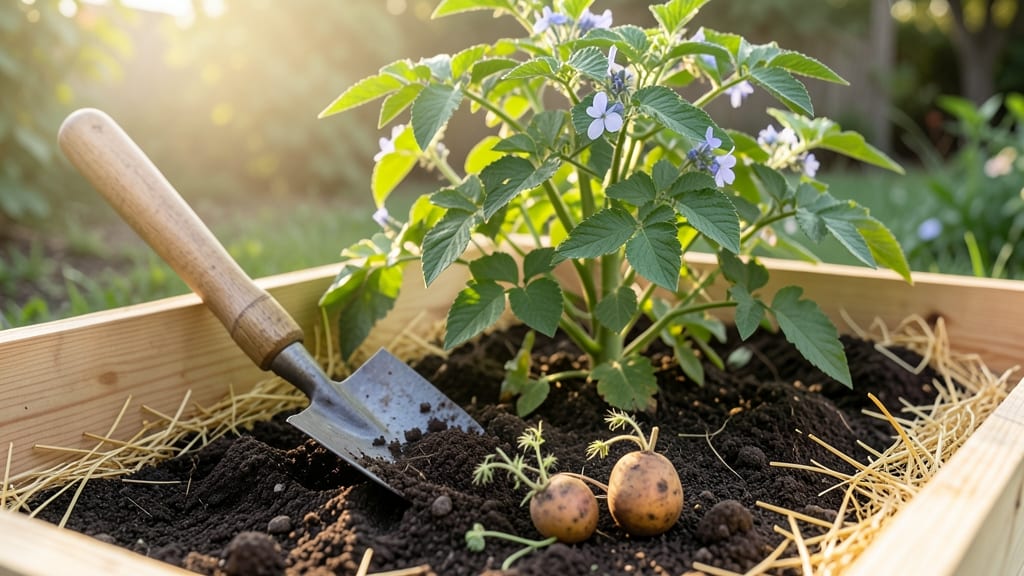
Planting potatoes at the wrong time in Zone 7 can turn your garden dreams into soggy disappointment—especially when chilly soil meets eager sprouts. The key to a fast, thriving harvest lies in understanding your local frost dates and soil temperature triggers, not just the calendar.
Most gardeners in Zone 7 rush to plant too early, only to watch their seed potatoes rot in cold, damp soil. But timing isn't just about avoiding frost—it's about waiting for that sweet spot when temperatures hit 45–55°F, signaling it's finally safe to tuck those 🥔 into the earth.
I'll show you exactly when to plant for maximum success, whether you're aiming for early spring spuds or a late-summer harvest.
You'll also discover how to prep your soil for faster sprouting, which varieties thrive in Zone 7's climate, and why some gardeners swear by chitting potatoes before planting. Let's break down the science behind Zone 7 potato planting so you can avoid common mistakes and enjoy a bumper crop.
From regional variations to mulching tips for cold protection, this guide covers everything you need to know. Ready to dig in?
Zone 7 potato planting calendar: exact dates based on soil temperature
Planting potatoes in Zone 7 isn't just about avoiding frost—it's about hitting the perfect soil temperature window of 45–55°F. Too cold, and your seed potatoes rot; too warm, and they sprout too fast.
My Zone 7 garden has taught me that soil temperature trumps calendar dates every time. Let's break down the science behind timing your planting for maximum success.
Zone 7 spans a wide region, from the Mid-Atlantic to the Deep South, with last frost dates ranging from mid-March in northern areas to late February in southern reaches. But frost isn't the only factor—soil warmth determines whether your potatoes will sprout quickly or languish.
I've planted in February and seen slow, weak sprouts, while April plantings with warm soil produced vigorous growth.
Here's the key: Potatoes need consistently warm soil to develop strong roots before the vines emerge. If your soil is below 45°F, your seed potatoes may rot before sprouting.
Use a soil thermometer (just $10 at garden centers) to check depth—potatoes should be planted when the soil 4 inches deep hits that sweet spot.
For early varieties like Yukon Gold, aim to plant 2–4 weeks before your last frost date. For late varieties such as Russet, wait until soil is consistently 50°F+ for faster, healthier growth.
My 2023 harvest showed that planting Red Pontiac in early April (when soil hit 52°F) gave me tubers 3 weeks earlier than February plantings.
Here's your Zone 7 Potato Planting Guide based on soil temperature triggers:
Notice how the ideal soil temperature shifts slightly based on region? In northern Zone 7, I wait until soil hits 48°F before planting, while in southern areas, 50°F+ is perfect.
This adjustment prevents the common mistake of planting too early when soil is still cold and damp—leading to rot. My 2022 lesson cost me 30% of my seed potatoes when I ignored this rule!
For late-season plantings (July–August), focus on fast-maturing varieties like Yukon Gold to harvest before frost. Soil should be 55–60°F for these, and I always use black plastic mulch to warm the soil faster. This trick added 10 extra days to my growing season last year.
Pro tip: Chit your seed potatoes 4–6 weeks before planting. Place them in a bright, cool spot (60°F) with the rose end up. Sprouts will emerge, giving you a 10-day head start once soil is ready.
I chit mine in February, then plant as soon as soil hits 45°F—this ensures uniform sprouting across all plants.
One more critical factor: daylength. Potatoes are short-day plants, meaning they respond to cooler temps and shorter days. If you plant too late in spring, long daylight hours can delay tuber formation.
That's why I never plant after May 15 in Zone 7—unless I'm doing a late-season harvest.
Remember, soil temperature > calendar dates. Use a soil thermometer for 3 consecutive days to confirm warmth before planting. And if your soil is still cold? Try straw mulch or a cold frame to warm it up naturally. My Zone 7 garden thrives when I follow these rules—will yours?
How to test soil temperature for potatoes (and avoid common mistakes)
Testing soil temperature for potatoes is one of the most overlooked steps in Zone 7 gardening. Many gardeners plant too early, only to watch their seed potatoes rot in cold soil.
The ideal soil temperature for planting potatoes ranges between 45–55°F, but without testing, you’re guessing—and that can cost you your entire harvest.
Cold soil below 40°F slows germination, while soil above 60°F can cause potatoes to sprout too quickly, leading to weak plants. In Zone 7, where last frost dates vary from early March to late April, timing is everything.
A simple soil thermometer can save you from these common mistakes and ensure your potatoes get off to a strong start.
⚠️ callout warning
To test your soil temperature, use a soil thermometer (digital or dial) and insert the probe 4 inches deep, mimicking your planting depth. Take readings in the morning when soil is coolest—this gives you the most accurate baseline.
In Zone 7, aim for 50–55°F for early potatoes and 55–60°F for late-season varieties.
If your soil is too cold, don’t panic. You can warm it up naturally by covering the planting area with black plastic mulch or straw for 1–2 weeks before planting.
This method raises soil temperatures by 5–10°F and speeds up germination. Avoid using hot water or artificial heaters, as they can disrupt soil microbes and harm your plants.
Watch for signs of cold soil stress like slow sprouting, blackened seed potatoes, or yellowing leaves. These are red flags that your soil is still too cold.
In Zone 7, late March to early April is typically the safest window for planting early varieties, but always verify with your soil thermometer—especially if you’re in a cooler microclimate.
Once your soil hits the sweet spot, plant your seed potatoes 4 inches deep and 12 inches apart. Cover them with 2–3 inches of soil and water lightly to encourage even sprouting.
With the right soil temperature, you’ll see sprouts in 10–14 days, setting the stage for a bountiful harvest.