
Companion Plants
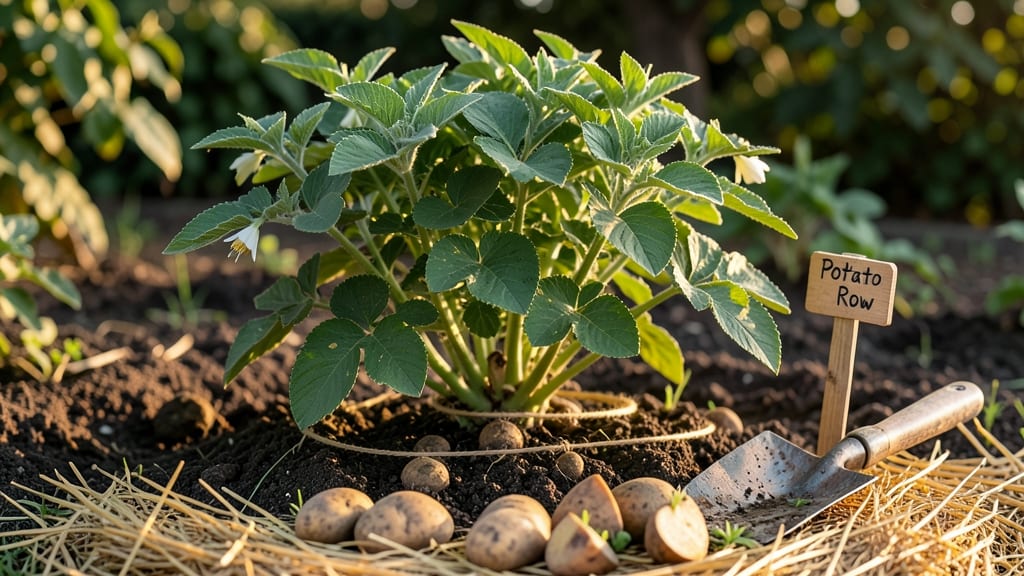
Timing your potato planting in Zone 7B can make or break your harvest—plant too early, and frost will kill your tender sprouts; too late, and you’ll miss the sweet spot for those juicy 🥔 potatoes we all crave.
The key is understanding your last frost date (around March 15 in 7B) and how soil temperature plays into the equation.
Most gardeners in Zone 7B swear by planting seed potatoes in early spring, between March and April, when the ground warms enough to support root growth.
But here’s the twist: late-winter plantings in February can work too, if you use cold-hardy varieties and protect them with mulch or row covers.
What I’ve learned from years of trial and error? The 4-6 week rule is your best friend: aim to get those spuds in the ground about a month before your last frost date. This gives them enough time to establish roots before the real heat of summer arrives.
Ready to avoid the common mistakes that leave gardeners scratching their heads? I’ll walk you through the exact dates, soil prep tips, and variety choices that’ll have you pulling perfectly sized potatoes by June or July. Let’s get growing!
Zone 7B potato planting dates: exact timing for frost-free growth
In Zone 7B, potatoes thrive when planted at the right time—too early and frost will damage tender sprouts, too late and your harvest suffers. The key is planting 4-6 weeks before your last frost date, which typically falls around March 15 in this region.
This window ensures your tubers develop strong roots before soil warms, while avoiding the risk of late spring freezes that can kill emerging plants.
Your ideal planting window spans from mid-February to early April, but exact timing depends on whether you're growing early-maturing (60-90 days) or late-maturing (90-120 days) varieties.
Early potatoes like Red Norland can handle cooler soils, while late varieties like Russet Burbank need warmer conditions to reach full size before harvest.
Soil temperature is just as critical as air temperature. Potatoes sprout best when soil reaches 45°F (7°C), but roots won't develop properly below 40°F (4°C).
In Zone 7B, this usually means waiting until late March or early April for most varieties, unless you're using row covers or cold frames to extend the season.
| Planting Window | Soil Temp Requirement | Last Frost Risk | Best Varieties |
|---|---|---|---|
| Early (Feb 15 - Mar 15) | 40-45°F (4-7°C) | Moderate (10% chance after Mar 15) | Early: Red Norland, Yukon Gold |
| Ideal (Mar 15 - Apr 15) | 45-55°F (7-13°C) | Low (5% chance after Apr 1) | All: Kennebec, Fingerling |
| Late (Apr 15 - May 1) | 55-65°F (13-18°C) | None (safe after Apr 15) | Late: Russet Burbank, Purple Viking |
📅 Zone 7B Planting Timeline
For maximum yield, aim to plant your main crop by April 1. This gives late-maturing varieties enough time to develop tubers before summer heat stress sets in.
In my garden, I've found that planting Yukon Gold in late March yields the largest harvests, while Red Pontiac planted in early April still produces well without competing with summer crops.
If you're growing new potatoes (small tubers harvested early), you can plant a second crop in late May or early June for a fall harvest. These "succession plantings" work best with early-maturing varieties like Adirondack Blue, which can reach harvest size in just 60 days.
Just be prepared to harvest before the first frost in November.
One common mistake in Zone 7B is planting too early without protection. If you must plant in February, use row covers or black plastic mulch to retain heat and prevent frost damage.
I've successfully grown early potatoes this way, but only with varieties that tolerate cooler soils like Kennebec or LaRouche.
Always check your local frost dates—they can vary by 1-2 weeks even within Zone 7B. For example, Atlanta, GA typically sees its last frost around March 15, while Raleigh, NC might be March 22.
Use a frost calendar or plant when soil reaches 50°F (10°C) consistently for 5 days to ensure success.
Finally, don't forget to chit your seed potatoes (sprout them indoors) 4-6 weeks before planting. This gives you a 2-week head start on growth, which is crucial in Zone 7B's variable spring weather.
Place your seed potatoes in a bright, cool spot (50-60°F) and watch for 1-inch sprouts before planting.
With these exact timing guidelines, you'll avoid the heartbreak of frost-nipped potatoes and enjoy a bountiful harvest from June through August. Happy planting! 🥔
How to adjust planting for early vs. late varieties in zone 7B
Choosing between early-maturing and late-maturing potato varieties in Zone 7B isn’t just about preference—it’s about maximizing your harvest before the first frost.
Early varieties like Yukon Gold (90-day maturity) thrive when planted in late February to early March, while late varieties such as Russian Banana (120-day maturity) need a mid-April start to avoid stunted growth.
The key is matching your planting window to your variety’s needs. Early varieties can handle cooler soils, but late varieties need warmer temperatures to develop properly. In Zone 7B, where the last frost typically hits around March 15, timing is everything to avoid frost damage or premature harvests.
Late February to early March | 4-6 weeks before last frost
Use a soil thermometer—ideal range is 45-55°F for planting
Mid-April | After soil warms to 50°F+
Extend growing season by 2-3 weeks with frost cloth
Start checking for new potatoes at 60-70 days
Peak harvest at 100-120 days, before foliage yellows
For early varieties, I recommend planting 4-6 weeks before your last frost date—around late February to early March in Zone 7B. Use a soil thermometer to confirm temperatures are above 45°F, as cold soil can delay sprouting.
Early varieties like Red Pontiac or Kennebec are perfect for this window and often produce new potatoes by late May.
Late varieties, such as Russian Banana or Purple Viking, need warmer soil—aim for mid-April when temperatures consistently stay above 50°F. These varieties take longer to mature, so planting them too early can lead to blight risks or stunted tubers.
I’ve found that waiting until soil warms reduces the chance of disease and ensures larger yields.
To track progress, mark your planting dates on a garden calendar and note when sprouts emerge. Early varieties should show sprouts within 2-3 weeks, while late varieties may take slightly longer.
Use row covers if planting early to protect tender shoots from unexpected late frosts, which are common in Zone 7B even after the average last frost date.
Finally, prioritize harvest timing based on variety. Early varieties can be harvested as new potatoes when they’re golf-ball sized, while late varieties should stay in the ground until their foliage yellows naturally.
In Zone 7B, this typically means harvesting early varieties by late June and late varieties by mid-August to avoid frost damage.