
Plants
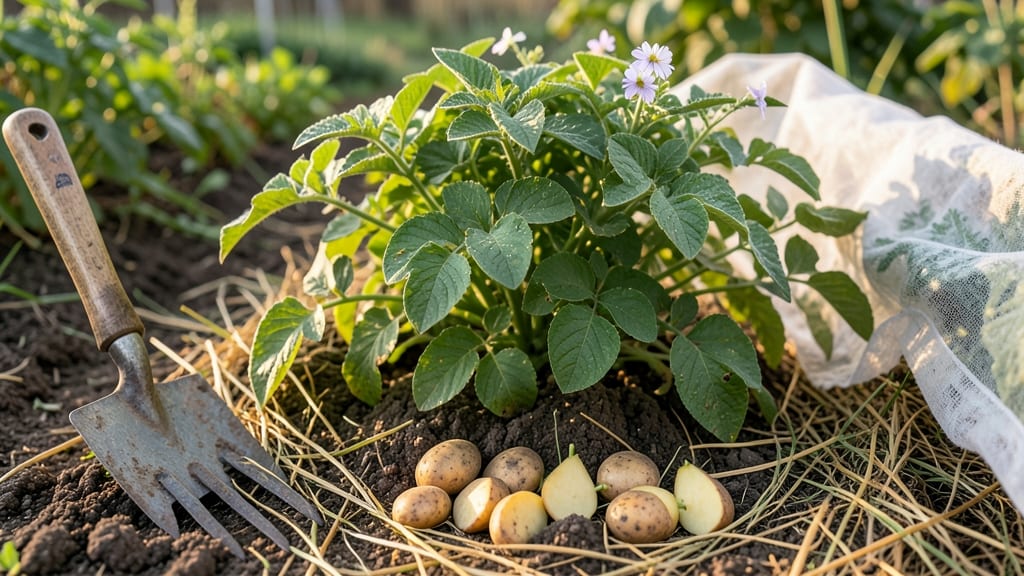
Planting potatoes in Zone 5 at the right time can mean the difference between a harvest full of firm, flavorful tubers and one that barely makes it out of the ground. Unlike warmer climates, Zone 5 gardeners face a shorter growing season and unpredictable late frosts, so timing is everything.
Most gardeners in Zone 5 aim to plant their 🥔 seed potatoes between mid-April and early May—about 4 weeks before the last expected frost date. But getting it wrong can lead to stunted growth or even total crop failure.
The key is balancing soil temperature (ideally 40–50°F) with frost risk, especially for early varieties.
If you're wondering exactly when to start, the answer depends on your specific last frost date and the type of potatoes you're growing. Early varieties can handle cooler soils, while late varieties need warmer conditions to thrive.
I’ll walk you through the exact schedule, soil prep tips, and how to protect your plants from those sneaky late frosts.
By the end, you’ll know not just when to plant, but how to set your potatoes up for success—so you can enjoy a harvest that’s bigger, healthier, and more reliable than ever before.
Zone 5 potato planting schedule: exact weeks before last frost for maximum yield
Getting your potato planting timed right in Zone 5 is everything—plant too early, and frost will kill your sprouts; too late, and you’ll miss the harvest window. The key is understanding your last frost date and soil temperature thresholds (40–50°F for ideal sprouting).
In Zone 5, this typically means planting 4–6 weeks before your average last frost, which usually falls in mid-April.
But here’s the catch: not all potatoes thrive on the same schedule. Early varieties like ‘Red Norland’ can handle cooler soils and faster growing conditions, while late varieties like ‘Russet Burbank’ need more time to mature.
Your planting window isn’t just about frost—it’s also about matching your potato variety to your local climate. For example, if your last frost is April 15th, aim to plant early potatoes by March 20th and late potatoes by April 15th.
To make this easier, I’ve created a Zone 5 potato planting schedule that breaks down the best times for early, mid, and late-season planting, along with soil temperature guidelines. This ensures you’re not guessing—just planting with confidence.
And if you’re unsure about your exact frost date, I’ll show you how to adjust using a simple frost-date calculator later in this guide.
Planting potatoes too early or too late are the two biggest mistakes Zone 5 gardeners make. Early planting risks frost damage to young sprouts, while late planting can lead to small tubers or missed harvests before the first frost in mid-October.
The goal? Plant when the soil is workable (40°F or warmer) and the air temperature is consistently above 50°F.
Let’s say your last frost date is April 20th. For early potatoes, plant ‘Red Norland’ by March 25th—this gives them enough time to mature before summer heat sets in.
For mid-season varieties like ‘Kennebec’, wait until April 5th to plant, ensuring they’re ready to harvest by early August. And if you’re growing late-season potatoes like ‘German Butterball’, plant them April 15th for a harvest in late August or September.
To find your exact frost dates, use the USDA Plant Hardiness Zone Map or check local agricultural extensions. For example, if you’re in Chicago (Zone 5a), your last frost might be April 10th, while in Boston (Zone 6a), it could be April 25th.
Adjust your planting schedule accordingly—this small tweak can mean the difference between small tubers and a bountiful harvest.
Avoid the temptation to plant potatoes in cold, wet soil. If your soil temperature is below 40°F, your seed potatoes will rot before they sprout. Instead, wait for the soil to warm up or use black plastic mulch to speed up the process.
You can test soil temperature with a soil thermometer—just insert it 4 inches deep where you plan to plant.
Another common mistake is planting seed potatoes too shallow or too deep. Aim for 4 inches deep with the eyes facing up. This depth ensures the tubers develop properly without being exposed to light (which turns them green and toxic).
Space your rows 3 feet apart to allow for hilling—adding soil around the stems as they grow—to encourage larger tubers.
For gardeners in Zone 5 with short growing seasons, consider planting two crops: one early and one late. Start with early varieties in March, then follow up with late varieties in April.
This strategy stretches your harvest from late June to September, giving you fresh potatoes all summer long. Just be sure to rotate your planting spots yearly to prevent disease buildup.
Finally, don’t forget to chit your seed potatoes before planting. Place them in a bright, cool spot (50–60°F) for 4–6 weeks so they sprout 1-inch shoots. This jumpstarts growth and ensures a faster harvest. With the right timing, soil prep
How to prepare soil and choose potato varieties for Zone 5’s short growing season
Zone 5’s short growing season demands careful soil prep and the right potato varieties to maximize your harvest. Unlike warmer climates, cold soils and late frosts can stunt growth if you don’t act fast.
The key is creating well-draining, nutrient-rich soil that warms up quickly—so your potatoes can establish roots before the first frost.
Start by testing your soil’s pH level (aim for 5.0–6.5). Potatoes thrive in slightly acidic soil, and a pH outside this range can lead to nutrient deficiencies or disease. If your soil is too alkaline, mix in peat moss or sulfur; if it’s too acidic, add lime.
I’ve found that amending the soil 4–6 weeks before planting gives the best results.
Here’s a quick guide to soil prep and the best varieties for Zone 5:
| Variety | Days to Maturity | Best For | Cold Tolerance |
|---|---|---|---|
| Yukon Gold | 90–110 days | Early harvests, buttery flavor | High (plant early) |
| Kennebec | 100–120 days | Storage, all-purpose | Moderate (plant mid-season) |
| Red Pontiac | 80–100 days | Early harvests, red skin | High (plant early) |
| Russet | 120–140 days | Late harvests, baking | Low (plant late) |
For soil amendments, mix in 2–3 inches of compost or well-rotted manure to improve fertility and drainage. If your soil is heavy clay, add coarse sand or perlite to loosen it up.
Plant your seed potatoes 4–6 inches deep and space them 12 inches apart in rows 3 feet apart—this gives tubers room to grow without crowding.
If your soil is still too cold when planting time arrives (below 40°F), use black plastic mulch or straw mulch to warm it up faster. I’ve also had success with row covers to protect young plants from late frosts.
These simple tricks can extend your growing season by 2–3 weeks, giving your potatoes the time they need to mature.
Finally, choose varieties based on your goals: Yukon Gold and Red Pontiac are great for early harvests, while Kennebec and Russet are better for storage. With the right soil prep and variety selection, you’ll be digging up plump, disease-free potatoes before the first frost hits.