
Companion Plants
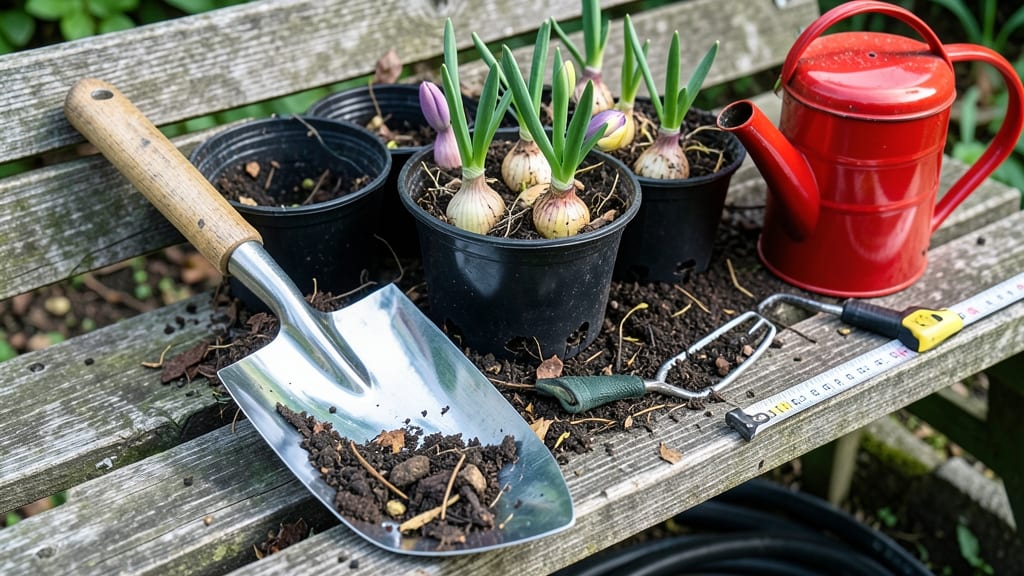
When can I plant potted tulips in the ground? The timing of this move can make all the difference between a stunning spring garden and a sad, wilted disappointment—so getting it right is everything. The key isn’t just about the calendar date but understanding your local soil temperature and frost-free window, which can vary dramatically even between neighboring yards.
For most gardeners in USDA Zone 6a, the ideal window falls between September and November, when soil temperatures drop below 50°F.
This cool-season rule applies whether you're transplanting from pots or direct-sowing bulbs—waiting too long risks premature sprouting, while planting too early exposes delicate roots to fungal threats.
But here's where it gets tricky: regional microclimates can shift your perfect planting date by 2-3 weeks. Coastal areas stay warmer longer, while high-altitude gardens may need an earlier start.
I'll walk you through exactly how to calculate your local frost-free window and adjust for soil conditions that actually work for your 🌷 tulips.
By the end, you'll know precisely when to dig those potted beauties into your garden bed—plus how to prep the soil and acclimate the plants for maximum survival. Let's get those bulbs blooming on schedule!
Optimal soil temperature for planting potted tulips outdoors
Timing your potted tulips' move to the garden hinges on soil temperature—not just air temperature. Tulip bulbs thrive when the ground cools to between 40-50°F, signaling dormancy and preventing premature sprouting.
Planting too early in warm soil can trigger fungal diseases, while waiting too long risks bulb rot or missed bloom cycles.
Think of soil temperature like a thermostat for bulbs: too hot, and they wake up too soon; too cold, and they refuse to establish roots. The 40-50°F range is their sweet spot for stress-free root development.
This window typically aligns with late fall in most U.S. growing zones, but regional variations matter.
To test your soil temperature, use a soil thermometer inserted 6 inches deep (the depth tulip bulbs need). Check readings in the late afternoon when soil is warmest. If it’s consistently below 40°F, wait 2-4 weeks—your bulbs will thank you with stronger blooms next spring.
In USDA Zones 3-7, the 40-50°F soil window usually opens in late October and closes by early December. This is your prime planting window—planting then ensures bulbs establish roots before winter dormancy.
For example, in Zone 5, aim for October 20-November 10 when soil temps consistently hit 45°F.
If you’re in Zone 8 or warmer, the rules shift slightly. Soil may stay above 50°F into December or January, but tulips still need a cooling period to bloom.
Plant in January-February and use shade cloth during warm days to mimic fall conditions. Without this trick, your tulips may bolt to foliage but fail to flower.
Pro tip: Acclimate potted tulips for 1-2 weeks before planting by moving them outdoors during the day and back inside at night. This hardens their roots and reduces transplant shock. Skip this step, and you risk leaf scorch or stunted growth when spring arrives.
Watch for late-season warmth in fall—unseasonably mild days can fool you into planting too early. Always prioritize soil temperature over air temperature. A 50°F day might feel chilly, but if the soil is still 60°F, wait until it cools further. Your tulips’ future blooms depend on this patience.
Remember: Tulips planted in ideal soil temps (40-50°F) will reward you with stronger stems, larger blooms, and longer vase life. Rush the process, and you’ll end up with weak, floppy stems that flop over before they even open.
Take the time to get it right—your spring garden will thank you.
🌷
How to calculate your local frost-free window for tulip planting
Timing your potted tulip transplant is all about reading your local frost-free window. Tulips need 6-8 weeks of cool soil to establish roots before winter dormancy. Miss this window, and you risk bulb rot or weak spring blooms.
Start by checking your USDA hardiness zone—this tells you when your last frost typically occurs.
For example, in Zone 5, your first frost usually hits around November 15. Count backward 6 weeks to land on October 1 as your ideal planting window.
But here’s the catch: microclimates matter. A south-facing slope or urban heat island might delay frost by 1-2 weeks, while a low-lying area could bring frost earlier.
⚠️ Critical Mistakes to Avoid
- Planting too early (before soil cools to 50°F) exposes bulbs to fungal diseases like tulip fire.
- Ignoring late spring frosts can kill emerging shoots—space planting dates by 2-3 weeks if unsure.
- Southern climates (Zone 8+) can plant as late as January, but mulch heavily to protect from heat stress.
Next, test your soil temperature at a depth of 6 inches. Use a soil thermometer or bury a glass jar filled with water—when it reads 40-50°F, it’s time to plant. Pro tip: Morning soil temps are most accurate since afternoon sun can skew readings by 10°F.
If you’re in Zone 6 or higher, aim for November 1-15. For Zones 3-4, plant by October 15 to avoid early frosts. Use your local cooperative extension office for precise frost dates—they often provide 10-year averages that account for climate shifts.
Don’t forget to acclimate your potted tulips 3-5 days before transplanting. Move them outdoors during the day and back inside at night to harden off the roots. This reduces transplant shock and helps them adapt to outdoor temperatures.
Finally, mark your planting date on a calendar and set a reminder. Tulips planted at the right time will reward you with bold, vibrant blooms next spring—worth the effort! 🌷