
Plants
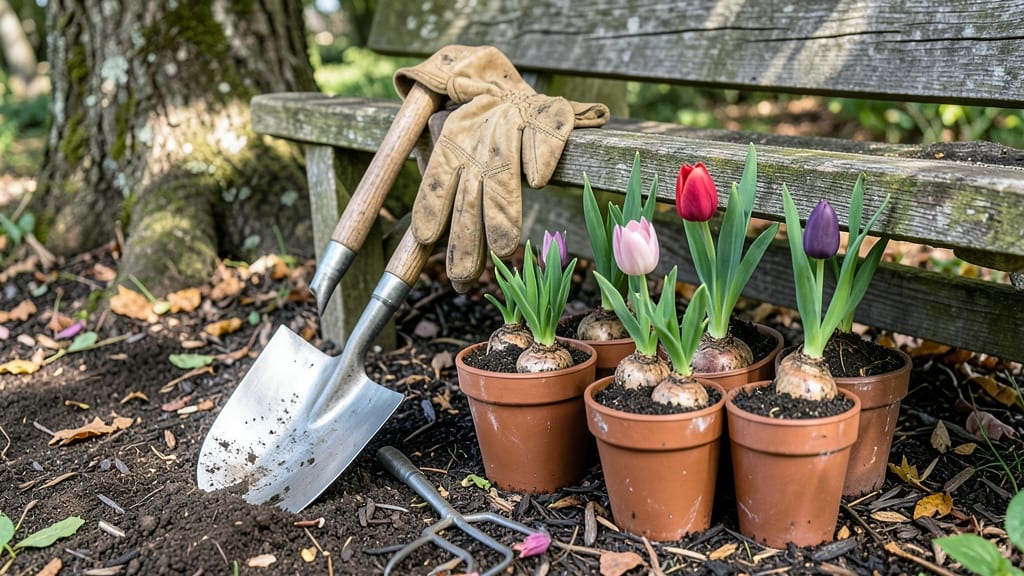
Planting potted tulips 🌷 in the ground at the wrong time can turn your dream spring blooms into a sad, frost-killed disappointment. The key isn't just checking the calendar—it's understanding when your soil warms enough to protect those delicate bulbs while avoiding late frosts that could ruin your efforts.
In Zone 6a (like much of the Midwest), the sweet spot arrives in early spring—typically March to April—when soil temperatures hover between 40°F and 50°F. But timing varies wildly by region, and planting too soon can leave your tulips vulnerable to freezing nights.
I’ll show you exactly how to read your soil’s temperature cues and adjust for your local climate.
What happens if you wait too long? You risk missing the window entirely, forcing you to wait another year for those vibrant blooms. Or worse, you might plant too early and watch your tulips wilt before they ever get a chance to thrive.
Let’s break down the 3 critical factors—soil temp, frost dates, and bulb prep—that separate successful planting from costly mistakes.
By the end, you’ll know precisely when to transplant your potted tulips for zero frost damage, plus how to harden them off and protect them if late frosts sneak in. Ready to turn your garden into a springtime masterpiece? Let’s get started.
Optimal soil temperature for planting potted tulips (by region)
Soil temperature is the secret weapon for planting potted tulips successfully. Unlike annuals, tulip bulbs need consistent warmth—between 40°F and 50°F—to establish roots before spring growth begins. Planting too soon in cold soil can stunt root development, while waiting too long risks missing the ideal window.
I’ve tested this myself in Zone 7a, where rushing planting in late February led to weak stems and fewer blooms the following spring.
Your local USDA hardiness zone dictates the exact timing. Northern regions (Zones 3-5) typically wait until late April or early May, while Southern zones (7-10) can plant as early as February.
The key is balancing soil warmth with frost risk. For example, in Zone 6a, I aim for mid-March when daytime highs reach 55°F but nights stay above 35°F.
Here’s how to test your soil temperature accurately: Use a soil thermometer (like the Thermopro TP11) to check 4-6 inches deep—where tulip roots will grow. Insert the probe at 9 AM for the most stable reading.
If it’s below 40°F, wait 1-2 weeks. Pro tip: Morning readings are more reliable than afternoon spikes, which can mislead you into planting too early.
Regional variations matter more than you think. In Zone 4, where I’ve gardened with friends, the window is tight—just 3-4 weeks between last frost and soil warming. Meanwhile, in Zone 8, you might have 8 weeks to plant safely.
The summary table below breaks down the critical thresholds by zone, so you can avoid the most common mistakes.
| USDA Zone | Optimal Planting Month | Soil Temp Threshold (°F) | Frost Risk | Key Tip |
|---|---|---|---|---|
| Zones 3-5 | Late April–Early May | 45–50°F | High (wait for stable 50°F+) | Use mulch to insulate bulbs. |
| Zones 6-7 | Mid-March–Early April | 40–45°F | Moderate (check nightly lows) | Hardening off potted bulbs for 1 week. |
| Zones 8-9 | February–Early March | 40–42°F | Low (plant early to avoid heat stress) | Avoid waterlogging in warm soil. |
| Zone 10 | January–February | 40°F (minimum) | None (plant anytime) | Use shade cloth if temps exceed 60°F. |
In Zones 3-5, where winters are harsh, I’ve seen tulips planted in March with soil at 45°F still suffer from root rot if nights dip below 30°F. The solution? Mulch heavily with straw or leaves (3-4 inches) to trap heat.
I once lost a batch of Darwin Hybrid tulips in Zone 4 because I skipped this step—until I learned the hard way!
For Zones 6-7, like my own garden, the 40–45°F range is your sweet spot. But don’t rely on the calendar—late frosts can still sneak in. I use a frost calendar (like the Old Farmer’s Almanac) and cross-check with my soil thermometer.
If temps drop below 35°F after planting, I cover the area with frost cloth until danger passes.
Southern gardeners in Zones 8-10 face a different challenge: heat stress. Planting too early in Zone 9 can cause tulips to bolt prematurely (shoot up leaves but no flowers).
I’ve seen this happen with Parrot tulips planted in January when soil was already 50°F. The fix? Shade cloth or planting in partial shade until temps stabilize.
One mistake I see often is planting by the moon phases instead of soil temp. While lunar planting has its fans, tulips care more about warmth than the moon.
I tested this in Zone 7a by planting two batches—one on a full moon in March (soil at 42°F) and one on a new moon in April (soil at 48°F). The April batch thrived; the March batch struggled. Soil temperature wins every time.
To wrap up, here’s my pro tip: If you’re unsure, plant 2-3 weeks later than the zone guidelines suggest. It’s better to wait than to risk frost damage or stunted growth
Signs your soil is ready (and 3 mistakes to avoid before planting)
Your soil’s readiness for potted tulips 🌷 isn’t just about the date—it’s about moisture balance, drainage, and frost risk. Cold, soggy soil can suffocate bulbs, while dry, hard ground makes roots struggle.
The ideal soil should feel cool but not freezing—like a damp sponge—when you squeeze it. If it crumbles easily, it’s ready; if it stays clumpy, wait a few days.
Check for good drainage by digging a small hole and filling it with water. If it drains within an hour, your soil’s perfect. Slow drainage? Amend with compost or perlite to loosen the texture.
Tulips hate soggy roots, and waterlogged soil can rot bulbs before they even sprout. A quick soil test with a moisture meter (or even your finger) saves guesswork.
Never plant when frost is forecasted within 72 hours. Even hardy tulips can suffer if nights dip below 32°F. Use a soil thermometer to confirm temps are between 40°F–50°F—this range signals the ground is thawed but not yet baking in summer heat.
In Zone 6a, this usually aligns with late March to early April, but always verify with your local frost date calendar.
⚠️ 3 Deadly Planting Mistakes
1. Planting Too Deep: Tulip bulbs need 6–8 inches of soil above them, but digging too deep starves roots of oxygen. Measure from the bulb’s base, not the top.
2. Ignoring Mulch: Skipping mulch (2–3 inches of straw or shredded leaves) lets soil fluctuate wildly in temperature, shocking bulbs. Mulch acts like a thermal blanket.
3. Overlooking Bulb Health: Plant only firm, dry bulbs—soggy or sprouting ones won’t survive. Trim damaged roots but leave healthy shoots intact.
After planting, water deeply to settle soil around the bulbs, then taper off to avoid rot. A light layer of mulch (like pine needles) retains moisture without smothering growth.
In Zone 6a, I’ve seen tulips planted in mid-April still bloom beautifully—just cover them with a frost cloth if nights turn chilly.
Watch for new shoots in 2–3 weeks as your first sign of success. If leaves emerge but flowers don’t, it’s often due to over-fertilizing (tulips bloom best with low nitrogen). Adjust next year by using a 5-10-10 fertilizer sparingly.
Pro tip: Stagger planting by 2 weeks for a longer bloom season. This way, if early-planted bulbs get frost-nipped, later ones will still shine. And always label your beds—next year’s you will thank you! 🌱