
Companion Plants
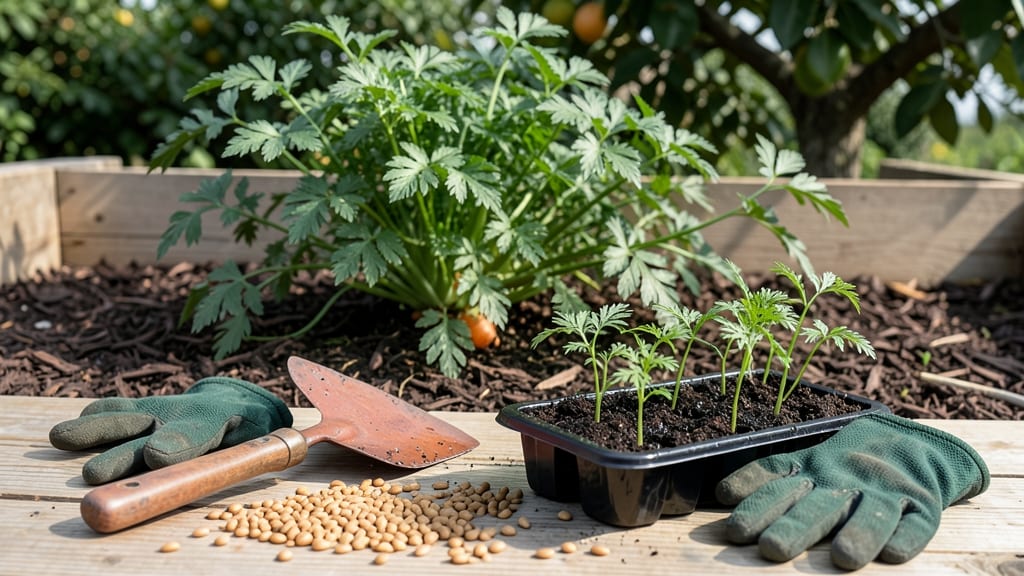
If you've ever wondered when to plant carrots in Zone 6, timing is the secret to crisp, homegrown 🥕 success—because getting it wrong means either frost-damaged seedlings or woody, tough roots.
Here's the game-changer: in Zone 6 (6a-6b), you can actually plant carrots twice a year—once in early spring and again in late summer—each with its own ideal window to beat frost and heat.
I'll show you exactly when to start seeds, which varieties thrive in this unpredictable climate, and how to stretch your harvest season.
Spring planting begins 4-6 weeks before your last frost date (typically mid-March), while fall carrots need to be in the ground by early August to mature before the first frost hits.
The key? Choosing cold-hardy varieties and preparing your soil just right to avoid common pitfalls like forking or slow germination.
Ready to grow carrots that rival the store-bought? Let's dive into the perfect planting schedule, soil prep tips, and pro strategies to keep your 🥕 crop thriving from spring through fall—no guesswork required.
Best planting windows for carrots in Zone 6: spring vs fall success
Timing your carrot planting in Zone 6 can mean the difference between a bountiful harvest and wasted seeds. The key is planting when soil temperatures are cool enough to prevent bolting but warm enough for germination.
For most Zone 6 gardeners, this means two distinct planting windows: early spring and late summer.
Carrots thrive in cooler temperatures, so planting too early risks frost damage, while planting too late can lead to woody, bitter roots as summer heat sets in. The solution?
Strategic planting that aligns with your last frost date and first frost date, which typically fall around mid-April and mid-October in Zone 6. Let’s break down the best times to plant for maximum success.
📅 Pro Tip: Use a frost chart for your specific location (like the Almanac’s Frost Calculator) to fine-tune these dates. For example, if your last frost is April 20th, aim to plant 6 weeks earlier—around March 1st—for a spring harvest.
| Planting Window | Ideal Month | Soil Temp | Days to Harvest | Notes |
|---|---|---|---|---|
| Early Spring | March–April | 45–60°F | 60–80 days | Plant 4–6 weeks before last frost; use row covers if frost threatens. |
| Summer Succession | June–July | 55–70°F | 50–65 days | Choose short-day varieties like 'Paris Market' to avoid bolting. |
| Fall Planting | August–September | 50–65°F | 60–75 days | Sow 3 months before first frost; harvest before hard frost. |
For spring planting, start seeds indoors or sow directly in the garden 4–6 weeks before your last frost date. In Zone 6, this usually means early March for the earliest varieties.
Use row covers or a cold frame to protect seedlings if nighttime temperatures dip below 40°F. Soil should be workable but not frozen, ideally between 45–60°F.
If you’re aiming for a summer harvest, succession planting is key. Sow seeds every 2–3 weeks from June through July to ensure a steady supply. Choose short-day varieties like 'Paris Market' or 'Little Finger', which mature faster in heat.
Avoid planting in peak summer (July–August) unless you’re using shade cloth, as soil temperatures above 75°F can cause bolting.
Fall planting offers a second chance for carrots in Zone 6. Start seeds 8–10 weeks before your first frost, typically in late July or August. Opt for cold-hardy varieties like 'Nantes' or 'Chantenay', which tolerate cooler temperatures.
Harvest before hard frost hits, or use straw mulch to insulate roots if you want to extend the season.
To calculate your exact planting dates, check your local frost dates (the Old Farmer’s Almanac is a great resource). Subtract 6 weeks for spring planting and 10 weeks for fall planting. For example, if your first frost is October 15th, plant fall carrots by August 15th.
One common mistake is planting too deeply. Carrot seeds need light to germinate, so sow them just ¼ inch deep and keep the soil moist until sprouts appear.
Thinning seedlings to 2–3 inches apart prevents competition and ensures straight, fork-free roots. Mulch with straw or grass clippings to retain moisture and suppress weeds.
Finally, monitor your carrots for bolting (premature flowering), which is triggered by heat or long daylight. If you notice flower stalks forming, harvest immediately or remove the plant to redirect energy to root growth.
With these strategies, you can enjoy homegrown carrots twice a year in Zone 6—no matter how unpredictable the weather gets!
Cold-hardy carrot varieties that thrive in Zone 6’s unpredictable weather
Zone 6’s unpredictable frost dates and short growing season make selecting the right carrot varieties critical. The wrong choice can mean bolting in spring heat or frost damage in fall.
But with these top 5 cold-hardy varieties, you’ll enjoy crisp, sweet carrots twice a year—even when Mother Nature throws curveballs.
These varieties were chosen for their frost tolerance, quick maturity, and ability to resist bolting in Zone 6’s 50-60°F soil temperatures. Whether you’re planting in early spring or late summer, these options will give you the best chance for success in your Zone 6 garden.
If you’re planting early spring (before last frost), stick with 'Paris Market' or 'Little Finger'—their fast maturity (50-60 days) means you’ll harvest before summer heat triggers bolting.
For late summer plantings, 'Danvers 126' or 'Chantenay' are ideal because they mature before first frost and store well in cool cellars.
Avoid longer-maturing varieties like 'Rainbow' or 'Purple Haze' for Zone 6—they risk bolting in summer heat or frost damage in fall. Instead, prioritize short-season varieties with bold flavor and cold tolerance. My personal favorite? 'Danvers 126'—it’s sweet, hardy, and stores for months in a root cellar.
For fall harvests, plant 'Chantenay' in late July to early August. Its 70-day maturity ensures roots swell before Zone 6’s first frost (typically mid-October). If you’re succession planting, sow 'Little Finger' every 2 weeks in spring for a continuous harvest.
Pro tip: Always thin seedlings to 2-3 inches apart—crowded carrots fork and become misshapen. Mulch with straw to protect young plants from temperature swings and retain moisture. With these varieties, you’ll beat Zone 6’s unpredictable weather and enjoy homegrown carrots from early summer to late fall.