
Plants
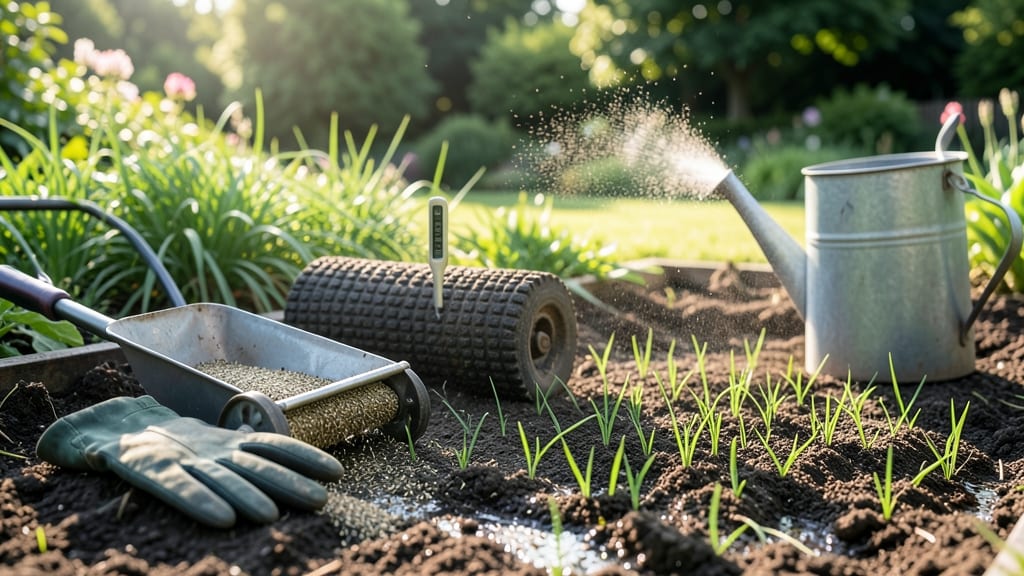
Planting your grass 🌱 at the wrong time in spring can turn your dream lawn into a patchy, weed-filled disappointment—unless you know the exact window when soil and air temperatures align just right.
Most gardeners assume "spring" means March or April, but the real secret lies in waiting until the ground warms to at least 50°F and the last frost date has passed. In USDA Zone 6 (like much of the Midwest), that typically means holding off until mid-April or early May.
Why does timing matter so much? Cool-season grasses like fescue need stable warmth to germinate, while warm-season types (like Bermuda) will bolt if planted too early. I’ll break down the exact soil temperature ranges, regional adjustments, and how to test your soil before dropping a single seed.
Skip the guesswork—learn the 3-step pre-planting checklist that’ll give you a thick, green lawn instead of a brown, bare eyesore. Let’s get started.
Ideal soil temperature for spring grass planting by region
Timing your spring grass planting depends more on soil temperature than calendar dates. Cool-season grasses like Kentucky bluegrass and fescue thrive when soil reaches 50°F to 60°F, while warm-season varieties such as Bermuda and Zoysia need 65°F to 75°F.
Planting too early risks frost damage, but waiting too long can stress seedlings in summer heat. Your USDA hardiness zone determines the perfect window—let’s break it down by region.
Northern regions (Zones 3-5) often have cooler springs, so aim for late April to early May when soil warms to 55°F. Southern zones (7-10) can start as early as February, but wait until soil hits 65°F to avoid heat stress.
Even within zones, microclimates (like shaded spots) can delay warming—always check before planting. Skipping this step means wasted seed or slow germination.
Here’s how to match your grass type and region for success:
| Region (USDA Zone) | Cool-Season Grass (e.g., Fescue, Bluegrass) | Warm-Season Grass (e.g., Bermuda, Zoysia) | Ideal Planting Window | Soil Temp Threshold |
|---|---|---|---|---|
| Zones 3-5 (Cold Climates) | Kentucky Bluegrass, Tall Fescue | Buffalo Grass (limited) | Late April–Early May | 50°F–60°F |
| Zones 6-7 (Temperate) | Fine Fescue, Ryegrass | Zoysia (late), Bermuda | March–April (cool) or June (warm) | 55°F–65°F |
| Zones 8-10 (Hot Climates) | Tall Fescue (shade-tolerant) | St. Augustine, Centipede | February–March (warm) or Late Summer | 65°F–75°F |
Note: Adjust for shaded areas (wait 1–2 weeks longer) and sandy soil (warms faster).
For cool-season grasses, the goal is to plant 4–6 weeks before your average last frost date. In Zone 5, that’s typically mid-April, while Zone 8 can start in February.
Warm-season grasses, however, need consistent warmth—planting Bermuda grass in Zone 9 too early (before 65°F) risks seedling death. Use a soil thermometer to confirm readiness; never guess.
Regional variations matter even within zones. For example, coastal California (Zone 9) may plant warm-season grasses in February due to mild winters, while inland Arizona (Zone 10) might wait until April to avoid spring heatwaves.
Check local Almanac frost dates and adjust by 1–2 weeks if your yard is shadier or drier. A 5°F difference can mean the difference between thriving grass and failed germination.
If you’re in transition zones (6-7), consider overseeding warm-season grass with ryegrass in fall for temporary cool-season coverage. This hybrid approach works because ryegrass germinates at 40°F–50°F, giving you green lawns year-round.
Just remember: warm-season grasses will outcompete ryegrass as soil warms, so time your overseeding for late summer.
Pro tip: Pre-warm cold soil by covering bare patches with black plastic for 1–2 weeks before planting. This raises soil temp by 5°F–10°F and speeds up germination. Just remove the plastic 24 hours before seeding to avoid smothering new shoots.
For sandy soil, which warms faster, plant 1–2 weeks earlier than the zone average to avoid drying out seeds.
Watch for temperature fluctuations—a late frost can wipe out seedlings in Zone 6 if planted too early. In Zone 8, a heatwave above 90°F can stress warm-season grass seedlings.
Use row covers or shade cloth to protect young grass until it’s 3–4 inches tall. This extra care ensures your lawn establishes strong roots before facing extreme weather.
Finally, test your soil for moisture and compaction before planting. Ideal soil should be moist but not soggy and <
How to check soil warmth before planting grass seed
Planting grass seed at the wrong soil temperature can stall germination or invite disease. Cool-season grasses like Kentucky bluegrass thrive at 50°F–65°F, while warm-season types need 65°F–75°F. Checking soil warmth ensures your seed gets the perfect start—no guesswork needed!
You don’t need fancy tools to gauge soil readiness. A simple soil thermometer (just $10 at garden centers) gives precise readings, but even a DIY finger test works in a pinch. The key is consistency: monitor temps for 3–5 days to account for daily fluctuations.
Here’s how to check soil warmth step by step, whether you’re using tools or your own hands:
- Soil Thermometer: Insert probe 2–4 inches deep (where roots grow).
- Finger Test: Push your finger into soil—if it feels warm but not hot, it’s likely 60°F+.
- Morning (6–8 AM): Soil is coolest—ideal for cool-season grasses.
- Afternoon (2–4 PM): Warmest—critical for warm-season grasses like Bermuda.
- Cool-Season (e.g., Fescue): Wait until soil hits 50°F+ consistently.
- Warm-Season (e.g., Zoysia): Plant only when soil is 65°F+ for 5+ days.
- Nighttime Drops: If temps fall below 45°F, delay planting.
- Sudden Heat: Above 80°F can stress seed—water deeply to cool soil.
If your soil is too cold, black plastic mulch can warm it by 5–10°F in 1–2 weeks. For warm soil, shade cloth or evening watering helps. Pro tip: Check temps at planting depth—surface temps can mislead you!
Once soil hits your grass type’s sweet spot, plant within 24–48 hours to avoid temperature swings. Seed needs consistent warmth to germinate, so don’t wait too long after checking. Patience now means a lush lawn later!
🌱