
Plants
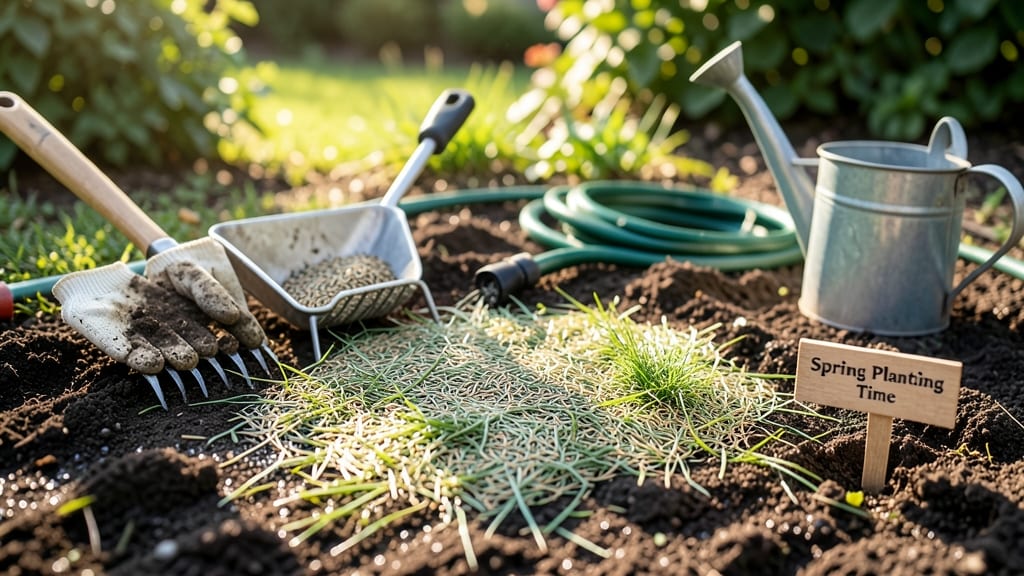
Planting grass seed at the wrong time in spring can leave you staring at a patchy lawn for weeks—or worse, watching weeds take over.
The key to fast, reliable germination isn't just about throwing seeds in the ground; it's about timing it right when soil temperatures hit that sweet spot between 50°F and 65°F.
In Zone 6 (like most of the Midwest and Northeast), that perfect window typically opens around mid-April, about 4-6 weeks before your last frost date.
But here's the catch: cool-season grasses like Kentucky bluegrass and fescue need warmer soil than you might think, while warm-season varieties like Bermuda prefer to wait until late spring. Getting this wrong can delay your dream lawn by 3+ weeks.
I've learned the hard way that rushing too early—when soil is still chilly—leads to slow germination and weak roots. On the flip side, waiting too long risks drought stress or even summer heat before seeds sprout.
The solution? Test your soil temperature with a simple thermometer and follow the fastest germination rules for your grass type.
Let me walk you through exactly when to plant in your region, how to prep your soil for success, and the 5 biggest mistakes that kill grass seed before it even takes hold. Your lush lawn starts with these simple but critical steps.
Optimal soil temperature ranges for planting grass seed in spring
Getting your grass seed timing right in spring isn’t just about avoiding frost—it’s about hitting the perfect soil temperature range for germination. Too cold, and seeds linger dormant; too warm, and they may dry out or sprout unevenly.
The key lies in understanding how cool-season vs. warm-season grasses respond to temperature shifts, which directly impacts your lawn’s health and establishment speed.
Most grass seeds need consistent soil temperatures between 50°F and 75°F to germinate reliably. Cool-season grasses like Kentucky bluegrass and fescue thrive when soil temps hover around 50°F to 65°F, while warm-season types such as Bermuda and Zoysia prefer 65°F to 75°F.
Planting outside these ranges can delay germination by 2–4 weeks or worse—invite weeds to outcompete your tender seedlings.
Here’s the science behind it: Grass seeds contain enzymes that activate only within specific temperature thresholds. Below 50°F, microbial activity slows, stalling germination. Above 75°F, seeds may dry out before sprouting, especially in low-humidity regions.
Regional variations also play a role—northern climates (USDA Zones 3–6) often see ideal planting windows in early April to mid-May, while southern zones (7–10) can start as early as February.
To test your soil temperature accurately, use a soil thermometer (available for $10–$15). Insert it 2 inches deep—the depth where most grass seeds will germinate—and check readings for 3 consecutive days. Morning readings (between 9–11 AM) are most reliable, as overnight temps can skew results.
Pro tip: If your soil is below 50°F in spring, wait 1–2 weeks or use a black plastic mulch to warm it faster.
Planting too early—when soil temps dip below 50°F—can leave seeds vulnerable to soilborne diseases like Pythium, which thrive in cold, wet conditions. Conversely, waiting until soil exceeds 75°F risks dormancy stress or attracts crabgrass, which germinates aggressively in hot soil.
In my Zone 6 garden, I’ve found that seeding Kentucky bluegrass in early April (when soil hits 55°F) yields 70% faster germination than waiting until May.
Regional microclimates add another layer of complexity. Coastal areas with moderate spring temps (e.g., Pacific Northwest) may see ideal conditions by mid-March, while inland zones like Colorado or Nebraska might need to wait until late April.
To adapt, check your local USDA Plant Hardiness Zone and add 2–4 weeks to the table’s recommendations if your spring is typically cooler.
If your soil is too cold to plant, don’t rush—patience prevents patchy lawns. Instead, prep your soil by removing debris, loosening the top 4 inches, and adding a compost top-dressing to improve warmth retention.
Once temps stabilize, cover seeds with ¼-inch of soil and keep the area moist (not soggy) with daily light watering until sprouts appear in 7–21 days, depending on the grass type.
Remember: Consistency is critical. Fluctuating soil temps can cause seeds to sprout unevenly, leading to a weak, weedy lawn. Use a soil thermometer daily for 3 days to confirm stable temps before committing to your planting date.
And if you’re in doubt, err on the side of waiting—a well-timed lawn is always better than a rushed one.
Spring planting timeline by grass type and climate Zone
Spring is the perfect time to plant grass seed, but the exact timing depends on your grass type and USDA Hardiness Zone. Cool-season grasses like Kentucky bluegrass and fescue thrive when planted in early spring, while warm-season grasses like Bermuda and Zoysia prefer late spring.
Let’s break down the best planting windows for each type and region to ensure your lawn starts strong.
For cool-season grasses, aim to plant 4-6 weeks before your last frost date. In USDA Zones 3-6, this typically means mid-March to early April.
Southern regions in Zones 7-10 can plant slightly later, around late February to mid-March, but avoid planting too early when soil temperatures are still too cold.
Warm-season grasses, on the other hand, need to wait until the soil warms up. In Zones 7-10, late spring—April to early June—is ideal. Northern regions in Zones 3-6 should hold off until mid-to-late May when soil temperatures consistently stay above 65°F.
| Grass Type | USDA Zones | Best Planting Month | Soil Temp Range | Key Tip |
|---|---|---|---|---|
| Cool-Season (Kentucky Bluegrass, Fescue) | 3-6 | Mid-March to Early April | 50-65°F | Plant before weeds take over |
| Cool-Season (Kentucky Bluegrass, Fescue) | 7-10 | Late February to Mid-March | 55-65°F | Avoid planting in wet soil |
| Warm-Season (Bermuda, Zoysia) | 7-10 | April to Early June | 65-75°F | Wait for consistent warmth |
| Warm-Season (Bermuda, Zoysia) | 3-6 | Mid-to-Late May | 60-70°F | Use shade cloth if needed |
If you’re in a transition zone (Zones 6-7), you might need to plant cool-season grasses in early spring and warm-season grasses in late spring. Always check your local frost dates and monitor soil temperatures with a soil thermometer to avoid planting too early or late.
Once you’ve planted, keep the soil consistently moist but not soggy. Water lightly 2-3 times daily until germination occurs, which typically takes 7-21 days depending on the grass type and weather conditions. Mulching with straw can help retain moisture and protect seeds from drying out.
By following this timeline, you’ll give your lawn the best chance to establish strong roots before summer heat or winter cold sets in. Happy planting! 🌱