
Plants
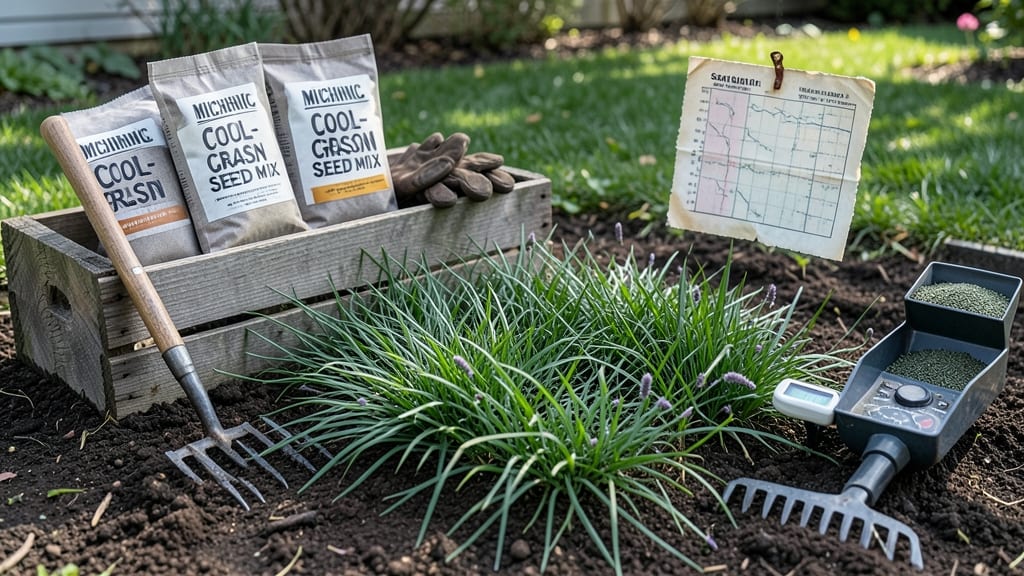
Planting grass seed in Michigan at the wrong time can turn your lawn dreams into a frustrating gamble—frost kills tender sprouts, while waiting too long lets weeds steal the show.
The perfect window depends on whether you're in Detroit's warmer zone or Traverse City's cooler climate, where timing shifts by weeks.
Most Michigan gardeners swear by early spring planting, but Northern Michigan's 5a zone needs to wait until soil warms to 50°F—usually late April or May. Meanwhile, Southern Michigan's milder 6b zone can start as early as March, giving you a head start before summer heat arrives.
Fall planting offers another smart option, especially in Southern Michigan, where cooler temps and consistent rain help seeds establish before winter. The key? Planting 4-6 weeks before your first frost—typically by early October—to let roots grow deep before dormancy.
I’ll break down the exact frost-free windows for your region, plus pro tips to avoid common mistakes like planting too deep or ignoring soil prep. Let’s get that lush Michigan lawn growing the right way.
Michigan’s grass seed planting zones: when to plant by region
Michigan’s diverse climate zones create big differences in when grass seed thrives. Southern Michigan’s warmer microclimates (like Detroit) allow earlier planting than the colder Upper Peninsula (Houghton). Understanding your USDA zone and last frost dates is key to avoiding frost damage or missed opportunities.
Most Michigan regions fall within USDA zones 5a-6b, but even small shifts in latitude mean 2-4 week differences in planting windows. For example, Traverse City’s Zone 5b typically warms up faster than Marquette’s Zone 5a. Let’s break down the optimal frost-free windows by region.
Soil temperature is just as critical as air temperature. Grass seed needs soil temps above 50°F for consistent germination. In Michigan, this usually aligns with late April to early May for most areas, but fall planting in September-October can also work if soil remains warm.
| Region | USDA Zone | Avg. Last Frost | Optimal Planting Window | Soil Temp for Germination | Fall Planting Window |
|---|---|---|---|---|---|
| Southern Michigan (Detroit, Ann Arbor) | 6a-6b | Mid-April | Early April - Mid-May | 50°F+ (late April) | Late August - Early October |
| Northern Michigan (Traverse City, Grand Rapids) | 5b-6a | Late April | Late April - Early June | 50°F+ (early May) | Mid-August - Mid-September |
| Northern Michigan (Marquette, Petoskey) | 5a-5b | Early May | Early May - Late June | 55°F+ (late May) | Early September - Early October |
| Upper Peninsula (Houghton, Sault Ste. Marie) | 4b-5a | Mid-May | Mid-May - Early July | 55°F+ (late May) | Late August - Early September |
For Southern Michigan (like Detroit), the earliest window starts in early April if you’re using cold-hardy varieties like Kentucky Bluegrass. However, most gardeners wait until late April to ensure soil warmth and consistent germination. The fall window extends until early October, giving you two chances to plant.
In Northern Michigan (Traverse City, Marquette), the spring window shifts later due to cooler nights. Aim for late April to early June, but May planting is safest. Fall planting must happen by mid-September to allow roots to establish before first frost in October.
The Upper Peninsula has the shortest growing season, so timing is critical. Plant between mid-May and early July for spring, or late August to early September for fall. Cool-season grasses like Fine Fescue perform best here due to their cold tolerance.
Always check your local Michigan State University Extension for yearly updates, as last frost dates can shift by 1-2 weeks annually. A soil thermometer ($15 at garden centers) is worth the investment to track germination-ready temps.
Pro tip: If you’re in a transition zone (like Zone 5b-6a), consider fall planting—it often yields denser grass with less weed competition than spring.
How to extend your grass seed planting window in Michigan
Michigan’s unpredictable spring and early fall frosts can make grass seed planting feel like a high-stakes gamble. But with the right strategies, you can plant earlier or later than the traditional window—giving your lawn a head start or a stronger foundation before winter.
The key lies in cold-hardy varieties, protective tools, and smart timing tailored to your region.
Southern Michigan’s milder winters (like in Detroit or Ann Arbor) allow for fall planting as late as early October, while Northern Michigan’s shorter growing season demands earlier spring prep.
By choosing Kentucky Bluegrass or Fine Fescue, you can push boundaries safely. These varieties tolerate cooler soil temperatures, giving you flexibility when traditional windows feel too tight.
- 1. Use frost blankets to plant 2-3 weeks earlier in spring or extend fall planting by 4 weeks. Lay them over newly seeded areas during nighttime frosts (below 32°F).
- 2. Choose cold-hardy seeds like Kentucky Bluegrass or Fine Fescue, which germinate in 40-50°F soil. Avoid Bermuda or Zoysia, which need warmer temps.
- 3. Test soil temperature with a soil thermometer. Aim for 50-60°F for germination. Southern Michigan hits this by late March; Northern Michigan waits until mid-April.
- 4. Plant in fall (early September to October) for stronger root growth before winter. Southern Michigan’s milder climate lets you seed until early November.
- 5. Prep soil early by aerating and adding compost in late summer. This jumpstarts root development, so seeds can establish faster when you finally plant.
For early spring planting, start by prepping your soil in February—even if you can’t seed yet. Aerate compacted areas and add compost or peat moss to improve drainage, especially in Michigan’s clay-heavy soils.
This gives seeds a better chance once temperatures rise. If you’re planting in March or early April, use a frost blanket for the first 2 weeks to protect tender seedlings.
Fall planting is my top recommendation for Southern Michigan gardeners. Seeds sown in September or early October have time to germinate before winter dormancy. Choose Fine Fescue mixes, which handle cooler temps better than Tall Fescue.
Water deeply 2-3 times per week until the ground freezes—this encourages deep root growth before winter sets in.
Northern Michigan’s shorter season means speed is critical. If you’re in Traverse City or Marquette, focus on early spring planting (late April to early May) or late summer seeding (August).
Use a soil warming blanket in early spring to raise temperatures by 5-10°F, accelerating germination. For fall, aim to finish by mid-September to avoid winter kill.
Pro tip: Mulch lightly with straw after seeding to retain moisture and insulate seeds. In spring, this helps protect against late frosts; in fall, it shields seedlings from early cold snaps. Just avoid mulching too heavily—1/4 inch max—or you’ll smother new growth.
With these tricks, you can extend your planting window by 4-6 weeks on either end, giving your lawn the best shot at success.