
Plants
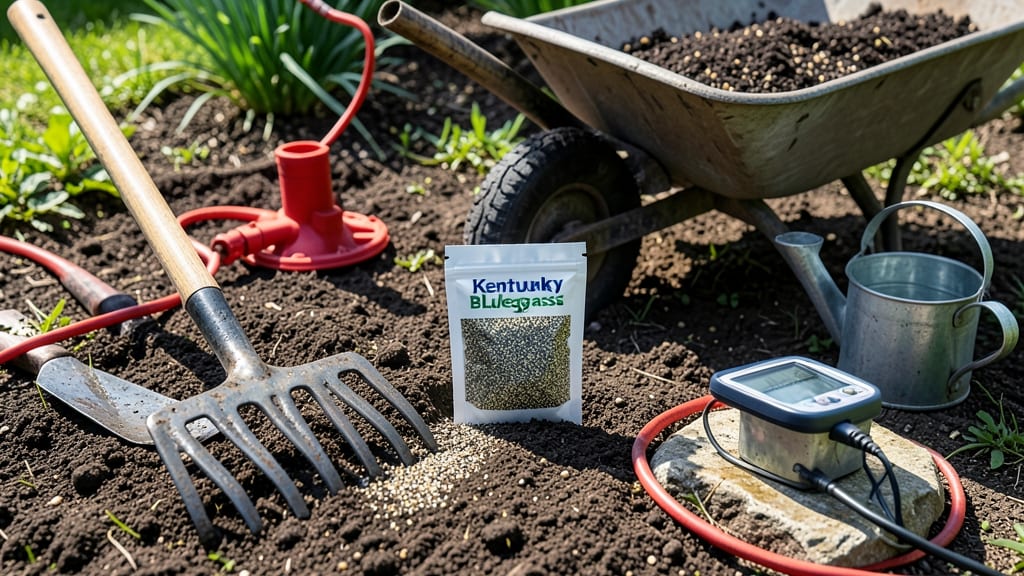
When is a good time to plant grass seed in the spring? Staring at bare patches instead of lush green is the last thing you want—so timing matters more than you think. The difference between success and frustration often comes down to soil temperature, not just the calendar date. You’ve probably heard "spring planting" but wondered why some years your lawn thrives while others feel like a gamble.
In USDA Zone 6a, the ideal window for sowing 🌱 grass seed is between early April and mid-May, when soil warms to 50–65°F. Too early, and frost zaps your seedlings; too late, and weeds steal the show.
I’ll show you how to check soil temps the easy way and pick the perfect moment for your grass type—whether it’s cool-season fescue or warm-season Bermuda.
Beyond timing, the real game-changer is prep work. Loosening compacted soil, clearing weeds, and keeping moisture consistent for those first 3–4 critical weeks sets the stage for a thick, resilient lawn. Skip these steps, and you’re basically betting on luck instead of science.
Ready to turn your patchy yard into a vibrant carpet? Let’s break down the exact soil temp tricks, planting schedules, and care tips that’ll have your grass growing fast—no guesswork required.
Optimal soil temperature for planting grass seed in spring: the science behind germination
Spring is the perfect time to plant grass seed, but timing isn't just about the calendar—it's about soil temperature. Grass seeds need consistent warmth to germinate, and planting too early or late can leave your lawn thin and patchy.
The ideal soil temperature range for most grass types is between 50°F and 65°F, but this varies slightly depending on whether you're planting cool-season or warm-season grasses.
Cool-season grasses like Kentucky bluegrass and fescue thrive when soil temperatures hover around 50°F to 60°F. These grasses are hardy and can handle cooler conditions, making them ideal for northern climates where spring arrives later.
On the other hand, warm-season grasses such as Bermuda and Zoysia prefer warmer soil, typically between 65°F and 75°F, and are better suited for southern regions.
Testing your soil temperature is easier than you think. Use a soil thermometer to check the temperature about 2 inches deep—this is where the seeds will germinate. Morning is the best time to test, as temperatures are more stable.
If your soil is too cold, wait a few days and retest. If it's too hot, you might be better off waiting until fall for warm-season grasses.
Regional adjustments are key. In northern climates (USDA zones 3–6), aim to plant when soil temperatures consistently reach 50°F—usually in early to mid-April. In southern climates (zones 7–10), wait until soil temperatures hit 65°F or higher, which often means planting in late April to early May.
Ignoring these ranges can lead to slow germination or even seed death.
Here’s a quick guide to help you determine the best time to plant based on your grass type and location:
Understanding your local frost dates is just as important as soil temperature. Planting too early in cold climates can expose seeds to late frosts, which can kill them before they germinate. Use your average last frost date as a guideline, but always prioritize soil temperature over calendar dates.
For example, if your last frost is April 15 but soil temps are still below 50°F, wait a few more weeks.
Once you’ve confirmed the right soil temperature, prepare your lawn by removing debris and loosening the soil to a depth of 1/4 inch. This helps seeds make contact with warm soil and improves water absorption.
After planting, keep the soil consistently moist—aim for about 1/4 inch of water daily—until the grass reaches 2–3 inches tall. This ensures the seeds stay hydrated and germinate quickly.
If you’re unsure about your soil temperature, consider using a soil warming blanket or mulching with straw to help retain heat. This is especially useful in cooler climates where spring arrives slowly.
Just remember, rushing the process can lead to poor germination, so patience is key. With the right soil temperature and consistent care, your lawn will be lush and green in no time!
Don’t let guesswork ruin your lawn. Use a soil thermometer to monitor temperatures and adjust your planting schedule accordingly. Whether you're in the Pacific Northwest or the Southeast, timing your grass seed planting based on soil temperature will give you the best results. Happy planting!
Spring planting timeline by grass type: when to plant for maximum success
Spring is the perfect time to refresh your lawn, but not all grass types thrive when planted at the same time. Cool-season grasses like Kentucky bluegrass and fescue love the crisp air of early spring, while warm-season grasses such as Bermuda and Zoysia prefer the heat of late spring.
Getting this timing right means the difference between a lush, green lawn and a patchy, weed-infested mess. Let's break down the best planting windows for each type, tailored to U.S. growing zones 3–10.
For cool-season grasses, the ideal window is 4–6 weeks before your last frost date, typically March to early April in most regions. These grasses germinate best when soil temperatures hover between 50°F and 65°F.
Planting too early risks frost damage, while waiting too long lets weeds steal the show. Warm-season grasses, on the other hand, should wait until after your last frost, usually late April to June, when soil temperatures consistently stay above 65°F.
This timing ensures they establish strong roots before summer heat sets in.
-
Cool-Season Grasses (Kentucky Bluegrass, Fescue)
Zones 3–7: March–early April
Zones 8–10: February–March -
Warm-Season Grasses (Bermuda, Zoysia)
Zones 3–6: Late April–May
Zones 7–10: May–June - Soil Temp Check: Use a soil thermometer—cool-season grasses need 50–65°F, warm-season 65–75°F.
- Pro Tip: Late April is the sweet spot for most regions—check your local last frost date to fine-tune.
- Avoid: Planting after June 15 for cool-season grasses—weeds will outcompete seedlings.
In growing zones 3–6, where winters are harsher, aim to plant cool-season grasses by mid-April. For example, in Zone 5, this often means late March to early April. Meanwhile, warm-season grasses in these zones should wait until after Memorial Day to ensure soil warmth.
In Zones 7–10, where winters are milder, you can plant cool-season grasses as early as February, but warm-season grasses thrive when planted in May or June.
Regional microclimates can shift these timelines slightly. For instance, mountainous areas in Zone 5 may need to wait until May for warm-season grasses due to cooler nights. Conversely, southern coastal regions in Zone 9 can plant warm-season grasses as early as April if soil temperatures permit.
Always monitor soil temperature with a thermometer—it’s the most reliable guide, not just the calendar.
Once you’ve nailed the timing, prep your soil by loosening the top 2–3 inches and removing weeds.
After planting, keep the soil consistently moist (about ¼ inch of water daily) until germination, which typically takes 7–21 days depending on the grass type. Cool-season grasses will show sprouts in 1–2 weeks, while warm-season grasses may take 3–4 weeks to emerge.
Patience here pays off with a thicker, healthier lawn.
Remember, the key to success isn’t just when you plant—it’s also how you prepare and care for your lawn afterward. With the right timing, your grass will establish strong roots and outcompete weeds naturally. Happy planting! 🌱