
Companion Plants
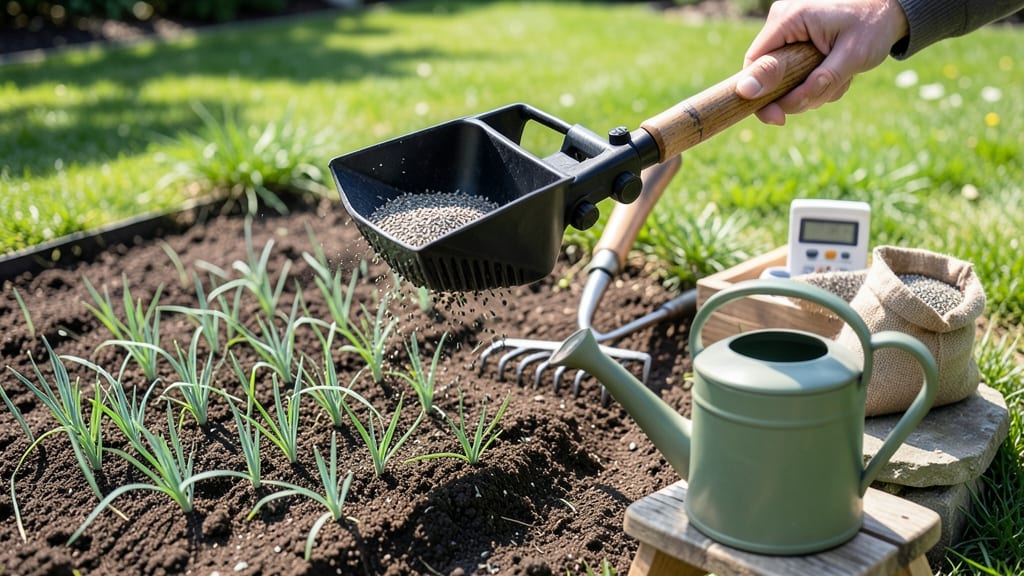
Planting your grass seed at the wrong time in spring can turn your dream of a lush lawn into a frustrating wait for patchy growth. The key to fast germination isn't just timing—it's understanding when your soil is ready to support those tiny seeds.
In zone 6a, where last frost typically hits around mid-April, you might think early March is perfect. But rushing it could leave your seeds sitting in cold soil, struggling to sprout.
Most cool-season grasses—like Kentucky bluegrass and fescue—thrive when soil temperatures hit 55-65°F, which usually means waiting until late April or early May in many regions. Warm-season grasses like Bermuda grass, however, prefer warmer soil around 70-75°F, pushing their ideal planting window even later.
Skipping this step means slower growth, weaker roots, and a lawn that takes months to fill in.
I’ll walk you through exactly how to check your soil temperature, when to adjust for your specific zone, and the 3 critical signs your lawn is ready to seed. No more guessing—just a fast, green lawn by summer. Let’s get started.
Whether you’re seeding a new yard or repairing bare spots, getting this right makes all the difference. The right timing isn’t just about the calendar—it’s about giving your grass the best possible start. Ready to transform your patchy lawn into something vibrant?
Optimal soil temperature ranges for spring grass seed germination
Getting your grass seed germination right in spring starts with understanding the soil temperature sweet spot for your specific grass type. Too cold, and seeds sleep; too hot, and they may dry out before sprouting.
The key is finding that ideal temperature range where seeds wake up, grow roots, and push through the soil with vigor. Let’s break down what works for cool-season vs. warm-season grasses and how to test your soil for perfect timing.
For cool-season grasses like Kentucky bluegrass, tall fescue, and perennial ryegrass, the magic happens when soil temperatures hover between 50°F and 65°F. These grasses thrive in cooler weather and can even handle light frosts after germination.
In contrast, warm-season grasses such as Bermuda, Zoysia, and St. Augustine need soil temperatures of 70°F to 85°F to germinate successfully. Planting them too early in cool soil can stall growth or invite disease.
Your local climate zone plays a huge role in timing. In northern regions (Zones 3-5), early spring might still be too cold for warm-season grasses, while southern zones (7-10) can start planting warm-season seeds as early as February.
Always check your last frost date and aim to plant 4-6 weeks before the first consistent warm spell for your area. This gives seeds time to establish roots before summer heat arrives.
Testing soil temperature is simpler than you think. Use a soil thermometer (available for under $10) to check temperatures at a depth of 1 inch—this is where seeds will be. Insert the probe into moist soil and wait 30 seconds for an accurate reading.
For cool-season grasses, wait until morning temps consistently stay above 50°F. For warm-season types, hold off until soil hits at least 70°F for a few days in a row.
If your soil is too cold, cover it with black plastic mulch for a week to warm it up naturally.
Here’s a quick guide to help you visualize the best soil temperature ranges for spring planting:
If you’re in a transition zone (like Zones 6-7), you might need to plant cool-season grasses in early spring and warm-season varieties later in the season. For example, tall fescue can handle cooler temps, while Bermuda grass will languish until soil warms up.
Always read your seed packet for specific recommendations—some blends are formulated to handle wider temperature ranges.
One common mistake is planting too early when soil is still cold. Seeds may sprout slowly or rot if moisture lingers. Conversely, planting too late can leave your lawn vulnerable to summer heat stress or weed competition.
Aim for a 2-week window where soil temps stay within the ideal range for your grass type. Use a seed starter fertilizer to give seedlings a nutrient boost during this critical phase.
Pro tip: If your soil is too cold, cover it with black plastic for 1-2 weeks to absorb sunlight and raise temperatures by 5–10°F. Remove the plastic just before planting to avoid overheating the seeds.
For warm-season grasses, you can also use clear plastic to trap heat without blocking light. Always monitor soil moisture—dry soil heats up faster than moist soil, so keep it evenly damp until germination.
Once your seeds are in the ground, maintain consistent moisture by watering lightly twice daily (morning and evening) for the first 2 weeks. Avoid heavy watering, which can wash seeds away or create crusts that block sprouts.
A light mist from a sprinkler or hose nozzle works best. Within 7–21 days, you should see green shoots emerging—this is your reward for nailing the soil temperature and timing!
Remember, patience is key. Even with perfect soil temps, germination can take longer in shady areas or compacted soil. If you’re unsure about your local conditions, check with your cooperative extension service for zone-specific advice.
With the right temps and care, you’ll be enjoying a thick, green lawn by summer—no patchy surprises in sight! 🌱
Best spring planting windows by US hardiness zones and grass type
Getting your grass seed in the ground at the right time is everything—especially when you're dealing with cool-season vs. warm-season varieties. Your USDA hardiness zone and local climate dictate whether you should plant in early spring or wait for late spring warmth.
Cool-season grasses like Kentucky bluegrass and fescue thrive when soil temps are 50-65°F, while warm-season types like Bermuda and Zoysia need 70-75°F+ to germinate properly. Timing wrong can mean slow growth or even seed failure.
If you're in USDA zones 3-6, early spring planting (March-April) works best for cool-season grasses, but wait until after your last frost date to avoid seed washout. In zones 7-10, warm-season grasses should be planted in late spring (May-June) when soil is consistently warm.
Regional adjustments matter too—northern climates get a shorter window, while southern zones can plant later. Let's break down the exact timing by zone and grass type to help you avoid common mistakes.
| Zone Type | Grass Type | Best Planting Window | Soil Temp (°F) | Key Tip |
|---|---|---|---|---|
| Zones 3-6 | Cool-Season (Kentucky Bluegrass, Fescue) | Early Spring (March-April) | 50-65°F | Plant 4-6 weeks before last frost |
| Zones 7-9 | Cool-Season (Tall Fescue) | Late Winter/Early Spring (Feb-Mar) | 55-65°F | Avoid summer heat stress |
| Zones 7-10 | Warm-Season (Bermuda, Zoysia) | Late Spring (May-June) | 70-75°F+ | Wait for consistent warmth |
| Zones 4-6 | Warm-Season (St. Augustine) | Early Summer (June) | 65-75°F | Northern limit for this type |
For cool-season grasses like Kentucky bluegrass and fescue, the goal is to establish roots before summer heat sets in. In zones 3-6, aim for March-April planting—this gives seeds time to germinate before last frost and avoids summer dormancy.
If you're in zones 7-9, you can plant as early as February, but watch for late frosts that can damage tender seedlings. Always test your soil temperature with a thermometer; cool-season grasses won’t germinate well if soil is above 65°F.
Warm-season grasses like Bermuda and Zoysia need consistent warmth to thrive, so late spring (May-June) is ideal for zones 7-10. Planting too early in cooler zones can lead to slow germination or even seed rot.
In zone 10, you might even extend planting into July, but always check local rainfall forecasts to avoid washout. If you’re unsure, use a soil thermometer—warm-season grasses need soil temps above 70°F for best results.
One common mistake I see is planting warm-season grass too early in northern zones. For example, in zone 6, Bermuda grass planted in April will likely sit dormant until summer heat arrives, wasting your time and seed.
Instead, wait until after Memorial Day when soil temps are reliably above 70°F. Similarly, cool-season grasses planted too late in zone 10 may struggle with summer heat before they establish. Adjust your timing based on your microclimate—shady spots may need earlier planting than sunny areas.
Pro tip: If you're in a transition zone