
Plants
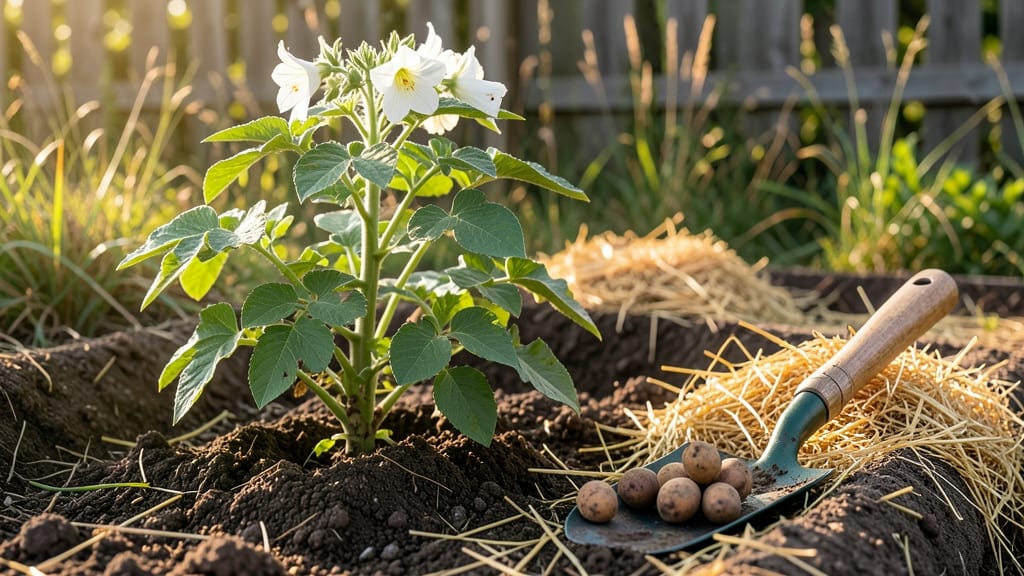
Planting potatoes in Georgia isn't a one-size-fits-all task—get the timing wrong, and you could lose your entire crop to frost or miss peak harvest season. The key is understanding your specific county's heat zone, since North Georgia's cooler climate demands earlier planting than South Georgia's warmer stretches.
Most gardeners in USDA Zones 7-8 can start planting as early as late February in the southern regions, while those in the cooler Zone 6 areas should wait until March or even April.
The rule of thumb? Plant when soil temperatures consistently reach 45°F—cold soil slows sprouting, and you want those 🥔 tubers growing fast.
But here's the catch: Georgia's microclimates mean your neighbor's perfect timing might not work for you. Coastal areas like Savannah can plant weeks earlier than the mountains near Blue Ridge, where frost lingers longer.
I'll break down the exact windows for each zone so you can align your planting with your local frost dates and avoid common mistakes.
Whether you're a first-time gardener or a seasoned grower, knowing when to plant potatoes in Georgia is the difference between a bountiful harvest and wasted effort. Let's dive into the science behind timing and how to extend your growing season for maximum yield.
Georgia potato planting dates by USDA heat zone (2024 guide)
Georgia's USDA heat zones 5a through 8b create dramatic differences in potato planting success. In North Georgia (zones 5a-7a), you can start as early as February for cold-hardy varieties, while South Georgia (zones 7b-8b) gardeners should wait until March or April to avoid heat stress.
The key is planting when soil reaches 45°F (7°C)—too early, and frost will damage tender sprouts.
Your last average frost date determines your planting window. In zone 5a (Northwest Georgia), the last frost typically occurs around April 15, giving you a 60-day window for early varieties.
Meanwhile, in zone 8b (Southwest Georgia), the frost-free date is January 15, but planting too early risks soil-borne diseases from warm winter rains.
Here’s how to match your county’s heat zone with the ideal planting timeline for early, mid-, and late-season varieties:
For North Georgia (zones 5a-7a), aim to plant 4-6 weeks before your last frost date. Use cold-hardy varieties like Yukon Gold or Red Pontiac, which tolerate light frosts once established. In zone 5a,
How to extend your Georgia potato growing season (tips for early/late planting)
Want to grow potatoes in Georgia beyond the traditional spring window? You can—with the right strategies. I’ve tested these methods in my own garden to push planting dates earlier or later without risking frost damage or poor yields.
The key is combining cold-hardy varieties, protective techniques, and smart soil management to create ideal growing conditions outside the norm.
Georgia’s climate varies dramatically from the cooler Piedmont to the warmer coastal plains, so one-size-fits-all advice won’t work. For example, in Zone 7 (like Athens), you might extend planting by 3 weeks, while in Zone 8 (Savannah), you could push it even further.
Let’s explore proven tactics to maximize your potato-growing window.
For early planting, start seed potatoes indoors in late January using grow lights or a sunny windowsill. Transplant outdoors once sprouts reach 4-6 inches and soil temps stabilize above 50°F. This gives you a 3-4 week head start over traditional outdoor plantings.
If you’re aiming for a late harvest, try successive planting every 2 weeks from March through May. Use longer-season varieties like Russet Burbank (110 days) to ensure tubers mature before Georgia’s first frost, which can arrive as early as mid-October in the north.
Pro tip: Keep a planting journal to track soil temps, frost dates, and variety performance. Over time, you’ll refine your timing to match your microclimate perfectly—leading to bigger yields and fewer wasted efforts. Happy planting! 🌱