
Companion Plants
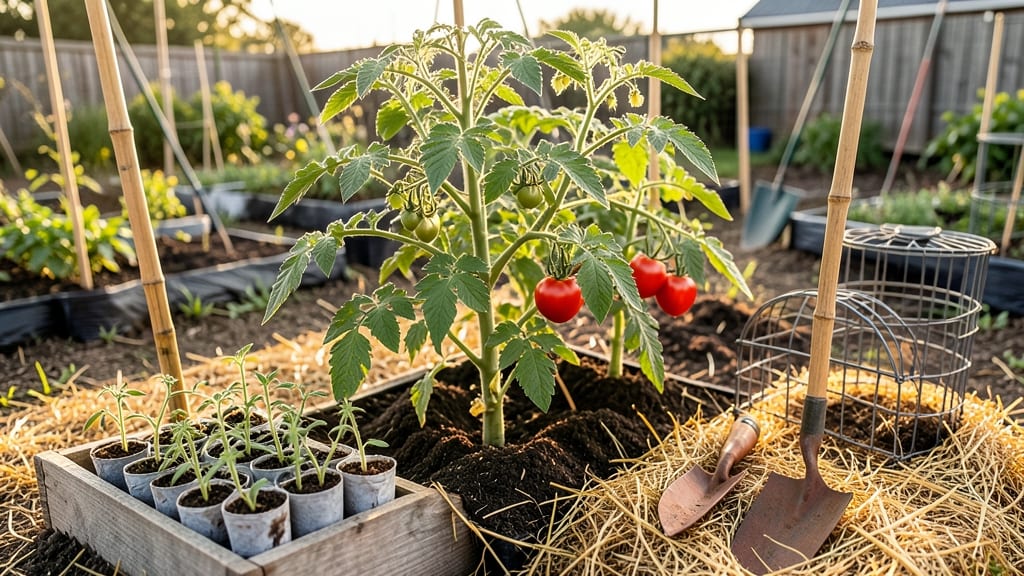
Planting your tomatoes at the right time in North Carolina isn’t just about avoiding frost—it’s about unlocking fast germination and a bumper harvest. The key? Waiting until soil temperatures hit that sweet spot of 60°F or higher, which can vary wildly between the Coastal Plain, Piedmont, and Mountains.
If you’ve ever stared at your seed packets wondering, "When do I plant tomatoes in NC?"—this is your answer. Whether you’re starting seeds indoors or transplanting young plants, timing is everything. Get it wrong, and you’ll either waste seeds in cold soil or miss the harvest window entirely.
I’ve tested the best planting windows across USDA zones 7a-8b, and what works for the heat-loving 🍅 varieties in the Piedmont won’t cut it for the cooler Mountain regions. Let’s break down the exact soil temperature triggers and regional rules to ensure your tomatoes thrive from seed to vine.
From mid-April to early June for spring plantings or late July to early August for a fall crop, we’ll cover everything—including how to adjust for NC’s unpredictable weather. Ready to grow your best tomato crop yet?
NC tomato planting calendar: soil temperature rules for fast germination
Timing your tomato planting in North Carolina depends on more than just frost dates—soil temperature is the real game-changer. Tomatoes need warm soil to germinate quickly and thrive, and NC’s three distinct regions (Coastal, Piedmont, Mountains) each have their own ideal windows.
Plant too early, and your seeds will rot; too late, and you’ll miss peak harvest season. Let’s break down the perfect soil temperature triggers for each region to ensure your tomatoes grow strong from day one.
For seed starting, aim for soil temps between 50-60°F. This range kickstarts germination without shocking tender seedlings. If you’re planting transplants (purchased or homegrown), wait until soil hits 60-70°F—this ensures roots establish quickly and plants bolt into growth.
Use a soil thermometer to check temps at a depth of 2-3 inches, where seeds and roots actually live. Pro tip: Coastal NC warms up faster in spring, while Mountain regions often lag behind by 2-3 weeks.
Here’s your NC tomato planting calendar by region, including last frost dates and ideal soil temps for both seeds and transplants:
| Region | Last Frost Date | Ideal Soil Temp for Seeds | Seed Planting Window | Ideal Soil Temp for Transplants | Transplant Window |
|---|---|---|---|---|---|
| Coastal Plain | Mid-March to early April | 50-60°F | Late March–early April (seeds) or early April–mid-May (transplants) | 60-70°F | April 15–May 15 |
| Piedmont | Early to mid-April | 50-60°F | Early April–late April (seeds) or late April–early June (transplants) | 60-70°F | May 1–May 31 |
| Mountains | Late April–early May | 55-65°F (warmer needed) | Late April–early May (seeds) or early June (transplants) | 65-75°F | June 1–June 15 |
*Fall planting windows mirror spring but start 4-6 weeks earlier for late-summer harvests.
If you’re direct-sowing seeds in your garden, stick to the early windows—tomatoes hate transplant shock. For transplants, you’ve got a bit more flexibility, especially in Coastal NC where summers are long. Harden off seedlings for 7-10 days before transplanting to toughen them up for NC’s humid heat.
Pro move: Use black plastic mulch to warm soil faster and suppress weeds, giving your tomatoes a head start.
For fall harvests, aim to plant transplants by late July to early August in Coastal and Piedmont areas. Mountain gardeners should wait until early August to avoid early frosts. Soil temps naturally drop in fall, so focus on heat-tolerant varieties like ‘Celebrity’ or ‘Better Boy’ to extend your season.
These varieties handle NC’s late-summer heat better than delicate heirlooms, ensuring sweeter tomatoes even as temps dip.
Don’t let NC’s unpredictable spring weather throw you off track. If soil temps dip below ideal ranges, delay planting or use row covers to create a warmer microclimate. A quick soil check with a thermometer takes just minutes but saves weeks of frustration.
Remember, tomato seeds can take 7-14 days to germinate in perfect conditions—rushing them in cold soil guarantees disappointment. Patience pays off with juicy, vine-ripened tomatoes straight from your NC garden.
Once your tomatoes are in the ground, monitor soil moisture closely—consistent watering prevents blossom-end rot, a common issue in NC’s clay-heavy soils. Mulch around plants to maintain even soil temps and reduce stress.
With the right timing and a little TLC, you’ll be feasting on homegrown tomatoes from June through October, no grocery store in sight!
🌱
How to adjust planting time for NC’s unpredictable weather patterns
North Carolina’s weather can throw curveballs—late frosts, sudden heat waves, or lingering chills that disrupt planting schedules. But with the right adjustments, you can still grow heat-loving tomatoes like 'Celebrity' or 'Better Boy' successfully.
The key is extending your growing season using simple tools and techniques that protect your plants while they establish roots.
I’ve learned that even a 1-2 week delay in planting can mean the difference between a thriving vine and a struggling seedling. Whether you’re dealing with a cold snap in April or a heatwave in May, these strategies will help you adapt and still enjoy a bountiful harvest.
- Use row covers to protect seedlings from late frosts (down to 28°F) while allowing sunlight and air flow.
- Install cold frames over young plants to trap heat and extend the growing season by 3-4 weeks in cooler zones.
- Lay black plastic mulch 2-3 weeks before planting to warm soil 5-10°F faster than bare earth.
- Choose heat-tolerant varieties like 'Solar Fire' or 'Heatmaster' for Piedmont and Coastal regions.
- Start seeds indoors 6-8 weeks before last frost (use grow lights for 12+ hours/day) to get a head start.
- Hardened transplants can handle 50°F nights with row covers, but avoid planting until soil hits 60°F.
If you’re planting in the Mountains (USDA 6b), where frosts linger longer, consider using mini-greenhouses or cloches to create a microclimate. These portable covers can raise soil temperatures by 10-15°F and shield plants from wind, giving them the extra protection they need to thrive.
For the Piedmont and Coastal Plain (USDA 7a-8a), where heat arrives earlier, focus on soil warming techniques. Spread clear plastic sheeting over beds 1-2 weeks before planting to absorb sunlight and raise temperatures. This method works especially well for determinate varieties like 'Roma', which prefer consistent warmth.
Don’t forget to monitor nighttime temperatures—tomatoes struggle when nights dip below 55°F. If a cold front is forecasted, cover plants with frost blankets or move potted tomatoes to a sheltered spot.
With these adjustments, you can push your planting window 2-4 weeks later than traditional schedules without sacrificing yield.
Pro tip: Pair your tomatoes with basil or marigolds to improve resilience. These companions deter pests and enhance flavor, giving your plants an extra boost when weather conditions are less than ideal.
With the right tools and a little flexibility, NC’s unpredictable weather won’t stand in your way of a homegrown tomato feast.