
Companion Plants
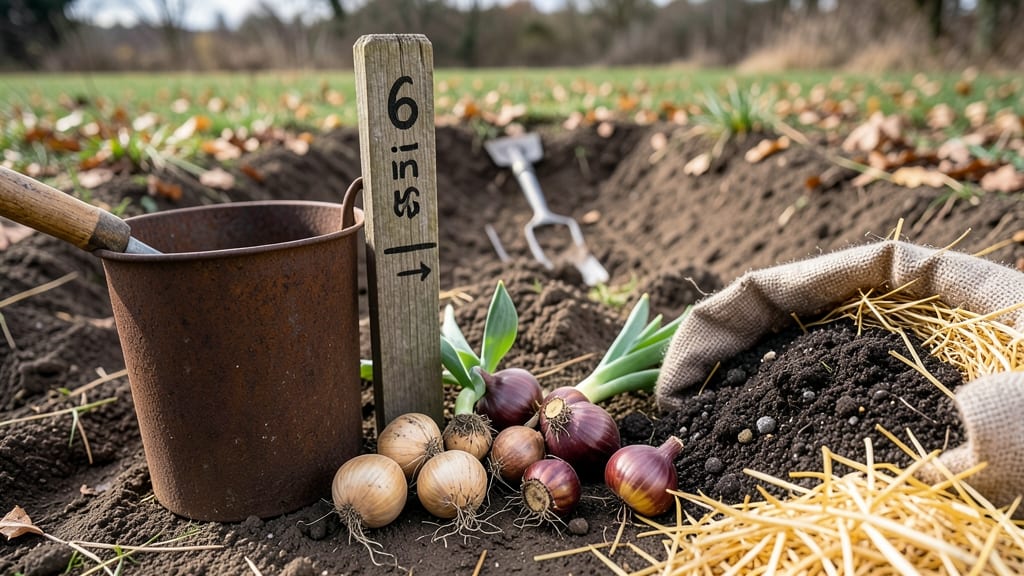
If you’ve ever planted Spring Flowering Bulbs (e.g., Tulips, Daffodils, Hyacinths) 🌷 in the South only to watch frost wipe out your blooms before they even peek through the soil, you’re not alone.
The key to success isn’t just when you plant—it’s understanding how Southern winters (or lack thereof) change the game entirely.
Most gardeners in zones 7a-11 assume fall planting follows the same rules as cooler climates, but that’s a recipe for disappointment. In the Southern United States (General), mild winters and unpredictable frost dates mean bulbs need a 6-8 week head start to root deeply before temperatures drop.
Skip this step, and your 🌷 dreams could turn to mud.
Here’s the secret: timing your bulbs for zero-frost survival isn’t rocket science—it’s about reading your local microclimate.
Whether you’re in Texas, Florida, or Georgia, I’ll break down the exact October-December windows that work for your zone, plus how to prep soil and pick the toughest varieties for Southern heat and humidity.
Ready to stop guessing and start growing? Let’s turn your yard into a springtime spectacle—without the frost-related heartbreak. I’ll show you how.
Southern planting zones: exact fall dates for bulb success
Planting bulbs in the South requires precision—unlike cooler climates, our mild winters demand perfect timing to avoid frost damage while letting roots establish. In USDA Zones 7-10, bulbs like tulips and daffodils need 6-8 weeks before the first frost to thrive.
The key? Plant when soil temps drop below 60°F but before ground freezes.
Southern gardeners often face microclimates that complicate timing—coastal areas stay warmer longer, while inland zones freeze earlier. For example, Zone 7 (e.g., Atlanta, GA) has a harder frost window than Zone 10 (e.g., Miami, FL), where bulbs may even plant in January.
Let’s break down your exact window by zone.
🌱
In Zone 7, aim for mid-October to mid-November—this gives bulbs time to root before hard frosts hit in December. For Zone 8, extend planting until early December, focusing on frost-tolerant varieties like crocus or allium, which handle brief cold snaps better.
Zones 9-10 offer flexibility—plant daffodils in December or even January, but avoid tulips, which need cooler dormancy. Coastal areas (e.g., Charleston, SC) may push planting to late November due to milder microclimates, while inland Zone 7 (e.g., Nashville, TN) should plant by November 1.
Pro tip: Use a soil thermometer to confirm temps—bulbs need 4-6 weeks of 50-60°F soil to root properly. If your area has erratic frosts, opt for daffodils or rain lilies, which survive brief freezes better than tulips.
🌿
For container gardening in the South, plant bulbs 4-6 weeks earlier than in-ground—pots cool faster and risk root freeze. Use well-draining mix with perlite to prevent waterlogging, which causes rot in warm winters. In Zone 10, some gardeners plant spring-blooming bulbs in winter to escape summer heat.
Remember: Soil prep is non-negotiable. Amend clay-heavy soils with compost or sand to improve drainage, and mulch with pine straw after planting to insulate roots. This 3-inch mulch layer can mean the difference between frost survival and wilted blooms.
🪴
How to time your bulb planting for zero-frost survival
Timing is everything when planting bulbs in the South—unlike northern climates, our mild winters mean bulbs need a different approach. Plant too early, and they’ll rot in warm soil; too late, and frost can damage emerging shoots.
The key is 6-8 weeks before your first hard frost, but Southern gardeners must also account for soil temperature and local microclimates.
Start by checking your USDA hardiness zone (most of the South falls between 7a-10b). For example, in Zone 8, aim for planting between mid-October and early December, while Zone 10 gardeners can plant as late as January.
The goal is to let roots establish in cool (60°F or below) soil before winter sets in.
- 1 Calculate your frost date: Use the National Weather Service or local extension office for your first hard frost date (usually 32°F or below). Plant 6-8 weeks before this date.
- 2 Test soil temperature: Use a soil thermometer to confirm temps are below 60°F. Warm soil speeds up bulb rot—wait if temps are higher.
- 3 Choose frost-tolerant bulbs: Daffodils and alliums handle Southern heat better than tulips, which need cooler winters. For extra insurance, opt for late-blooming varieties.
- 4 Adjust for microclimates: Coastal areas (like Georgia’s coast) stay warmer—plant later (December-January). Inland areas (like Texas Hill Country) can plant earlier (October-November).
- 5 Plant deeper in heavy clay: Southern soils often compact—bury bulbs 2-3 times their height (e.g., 6-8 inches deep for tulips) to protect from temperature fluctuations.
Don’t rely solely on calendar dates—soil temperature is your best guide. For instance, in Florida’s Zone 9, you might plant daffodils in December, but tulips (which need cooler winters) should wait until January.
Pro tip: Use a soil thermometer to confirm temps are consistently below 60°F before planting.
If you’re in a coastal area, like South Carolina’s Lowcountry, delay planting until late November or December—warmer ocean breezes can delay frost. Meanwhile, inland regions, such as Alabama’s Black Belt, can plant as early as October.
Always err on the side of planting later if you’re unsure—bulbs can survive light frosts once roots are established.
Once planted, mulch heavily (3-4 inches of straw or pine needles) to insulate bulbs from temperature swings and retain moisture. This is especially critical in Zone 10, where bulbs might face mild but prolonged winters.
With the right timing and care, your bulbs will bloom beautifully next spring, frost-free! 🌷