
Plants
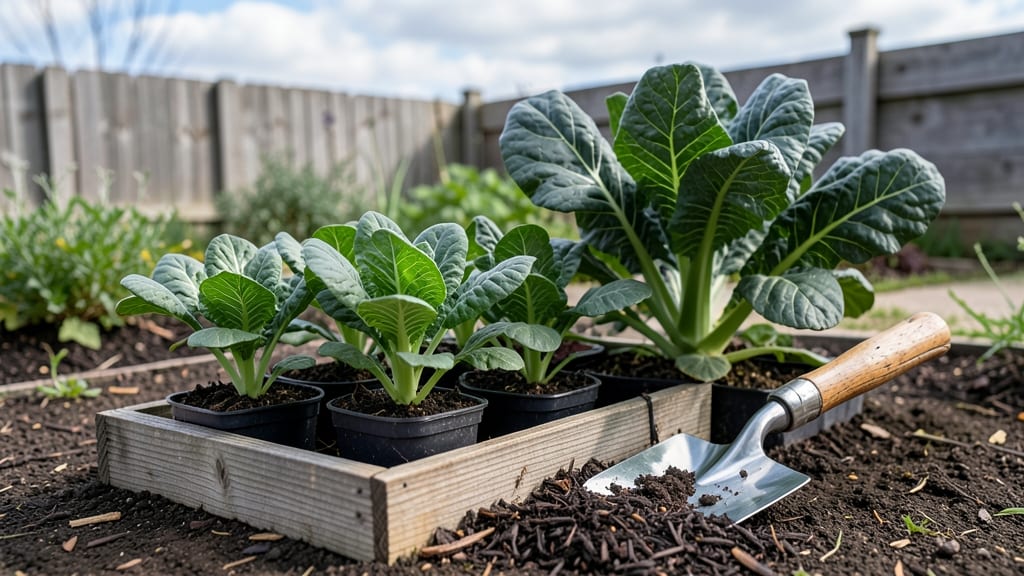
Planting collards in South Carolina at the right time means the difference between a bountiful harvest and wilted disappointment—and the best window is narrower than you might think.
With USDA zones 7b-8a and a mild climate, your 🥬 collards can thrive in both spring and fall, but timing is everything to avoid frost damage.
Whether you're a first-time gardener or a seasoned green thumb, knowing exactly when to plant ensures your collards grow strong and flavorful from seed to table.
In this guide, I’ll break down the exact frost-free planting schedule for your region, including coastal vs. Piedmont differences, so you can start seeds indoors or direct-sow with confidence.
You’ll also discover how to prep your soil, protect young plants from summer heat, and extend your harvest well into fall—without the guesswork.
Optimal collard planting months in South Carolina by region (coastal vs. Piedmont)
South Carolina’s diverse climate means your collard planting schedule depends heavily on whether you’re in the Coastal Lowcountry, Midlands, or Upstate Piedmont. Coastal areas enjoy milder winters with later frost dates, while Upstate gardens face earlier freezes.
Understanding these regional differences ensures you plant at the perfect time for maximum harvests before winter sets in.
Collards thrive in cool-season windows, but they can’t handle extreme heat or frost. The ideal planting window spans from late February to early March for spring and August to early September for fall.
However, these dates shift slightly based on your USDA zone (7b-8a) and microclimate. Let’s break it down by region so you can plant with confidence.
In the Coastal Lowcountry, you’ve got a little more flexibility due to warmer winters. Plant collard seeds as early as late February for a spring harvest or late August for fall.
The coastal climate also allows collards to handle slightly higher temperatures—up to 90°F—before they start bolting (flowering prematurely). However, avoid planting during hurricane season (June-September), as young plants are vulnerable to wind and flooding.
For Midlands gardeners, timing is critical. The average last frost date of early March means you should start seeds indoors by late January or direct-sow by early February for spring. For fall, aim for early August to ensure mature plants before the mid-November frost.
Midlands collards tolerate heat up to 88°F, so avoid planting in July’s peak summer heat.
Upstate Piedmont growers face the earliest frosts, so act fast. Start seeds indoors by late December for spring planting or direct-sow by late January. For fall, July is your last chance to plant seeds for a harvest before the early November frost.
Upstate collards are the least heat-tolerant, bolting at 88°F, so shade cloth may be necessary in July-August if temperatures soar.
Pro tip: Use row covers or cold frames to extend your fall harvest window in all regions. This can push your last planting date back by 2-3 weeks, giving you more time to enjoy fresh collard greens through December. Just remove covers during the day to prevent overheating.
If you’re unsure about your local frost dates, check the SC State Climate Office or use a frost calendar app like Old Farmer’s Almanac. These tools provide hyper-localized data that can adjust your planting schedule by 1-2 weeks based on your exact location.
For example, Charleston’s coastal breezes delay frost longer than Greenville’s inland valleys.
Remember, collards are biennial, meaning they’ll often survive mild winters and produce again in spring. If you plant in late summer or early fall, your collards may overwinter and give you an early spring harvest with minimal effort.
Just protect them with mulch or row covers during hard freezes.
For continuous harvests, consider succession planting every 2-3 weeks during your region’s optimal window. This ensures a steady supply of tender leaves from spring through fall. Start with seedlings for faster growth or direct-sow seeds for cost savings—just be prepared to thin seedlings to 12-18 inches apart.
Now that you’ve got your regional planting schedule locked in, your next step is preparing the
Step-by-step collard planting schedule: when to start seeds indoors vs. direct-sow
Deciding whether to start collard seeds indoors or direct-sow depends on your South Carolina region’s frost dates and summer heat. For USDA zones 7b-8a, I recommend starting seeds indoors 6-8 weeks before your last frost date (typically mid-March for most areas) to give seedlings a head start.
Direct-sowing works best in early spring (late February) or late summer (August) when soil temperatures hit 60°F or warmer. The key is avoiding summer heat stress—collards thrive in cooler weather and bolt quickly when temperatures exceed 85°F.
📋 Step-by-Step Collard Planting Schedule
-
Step 1: Start Indoors (6-8 Weeks Before Frost)
- Sow seeds in biodegradable pots with seed-starting mix.
- Keep soil at 65-75°F for germination (5-10 days).
- Place under grow lights (14-16 hours/day) or in a sunny window.
-
Step 2: Harden Off Seedlings (1 Week Before Transplant)
- Move pots outdoors for 2-4 hours/day, gradually increasing time.
- Protect from wind and direct sun to prevent stress.
-
Step 3: Transplant Seedlings (After Last Frost)
- Space plants 12-18 inches apart in rows 24-30 inches apart.
- Plant at same depth as containers (1/4 inch below soil line).
- Water deeply to settle soil and reduce transplant shock.
-
Step 4: Direct-Sow (After Soil Warms to 60°F+)
- Sow seeds 1/2 inch deep in rows 18 inches apart.
- Thin seedlings to 12-18 inches apart when 2 inches tall.
- Mulch with straw or shredded leaves to retain moisture.
-
Step 5: Succession Plant Every 2 Weeks (For Continuous Harvest)
- Sow new seeds every 2 weeks from August to September.
- Use shade cloth (30-50% coverage) in summer to prevent bolting.
- Harvest outer leaves first to encourage regrowth.
For fall harvests, aim to plant by early September so collards mature before first frost (mid-November). In coastal areas, extend your window to late September—the milder climate delays frost slightly.
Pro tip: Use row covers in early spring or late fall to protect young plants from light frost, which actually sweetens the flavor of collards. Just remove covers during the day to prevent overheating.
Finally, remember that soil temperature matters more than air temperature. Test your soil with a thermometer—collard seeds won’t sprout below 60°F. If your soil is cooler, wait or use black plastic mulch to warm it faster.