
Plants
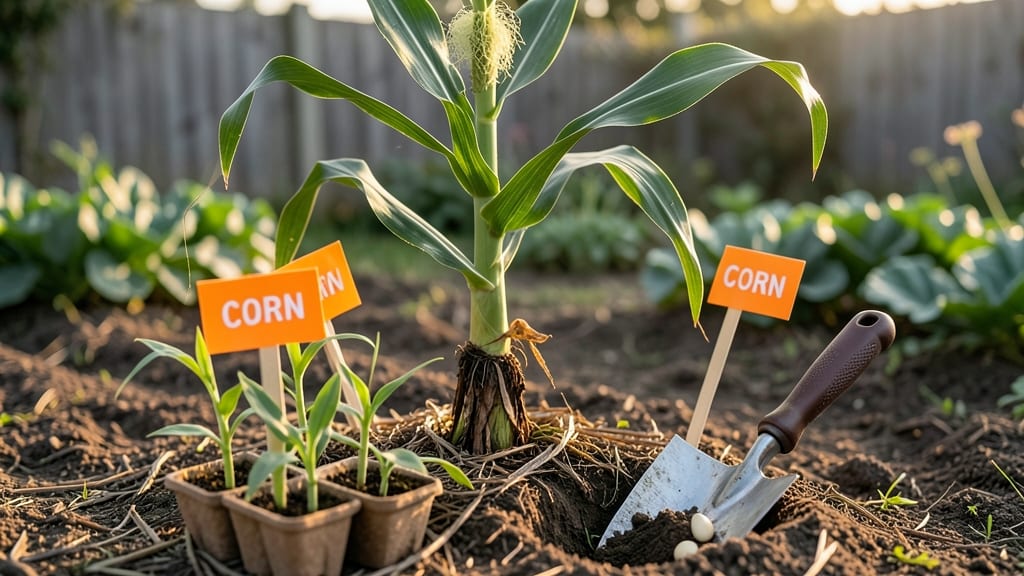
Timing your 🌽 corn planting in Alabama can mean the difference between a bumper crop and wasted effort. Plant too early, and frost will nip those tender seedlings before they even sprout. Too late, and you’ll miss the sweet spot for that juicy harvest we all crave.
Alabama’s 7b-8b climate zones give gardeners a longer growing window than most, but even here, soil temperature and frost dates dictate the perfect moment. I’ve tested the best strategies over the years, and I’ll share exactly when to put those seeds in the ground for maximum success.
The ideal window runs from mid-April to early June, but there’s more to it than just dates. We’ll cover how to check soil warmth, adjust for your specific region, and even troubleshoot common mistakes that ruin harvests before they begin.
Whether you’re a first-time gardener or a seasoned pro, these insights will help you grow corn that’s sweeter, taller, and more abundant than ever before. Let’s get those seeds in the dirt at the right time!
Alabama corn planting dates by soil temperature and frost risk
Alabama’s diverse climate zones mean your corn planting timeline should align with your region’s last frost date and soil temperature. In North Alabama (USDA Zone 7b), wait until mid-April to late May—after soil warms to 50°F+.
Meanwhile, South Alabama (Zone 8a-8b) can start as early as mid-March once frost risk fades. These differences are critical for avoiding seedling frost damage while maximizing harvest yields.
Corn seeds germinate best when soil temperatures stay above 50°F for 5+ days. Use a soil thermometer to check—if it’s cooler, delay planting. In North Alabama, this often means waiting until early May, while South Alabama gardeners can plant 3-4 weeks earlier.
This regional flexibility is why Alabama’s 215 frost-free days allow for multiple planting windows.
Key takeaway: Plant 2 weeks after your last frost date and only when soil is consistently 60°F+. For sweet corn varieties, aim for late April to early June—this ensures harvests before summer’s heat stress peaks. Skipping this step often leads to stunted growth or poor ear development.
🌽
| Region | Last Frost Date | Optimal Planting Window | Soil Temp Requirement | Harvest Window |
|---|---|---|---|---|
| North Alabama (Zone 7b) | Mid-April | Mid-April to late May | 50°F+ (consistent) | Late July to October |
| Central Alabama (Zone 8a) | Early April | Late March to early June | 55°F+ (minimum) | June to October |
| South Alabama (Zone 8b) | Mid-March | Mid-March to late May | 60°F+ (ideal) | May to November |
| All Regions (Succession Planting) | N/A | Every 2-3 weeks until June | 60°F+ | Staggered harvests |
For North Alabama gardeners, the last frost date typically falls around April 15, but don’t rush—corn seeds need warm soil to germinate. Planting 1 inch deep in well-drained soil with 60% moisture sets the stage for strong seedlings.
If you plant too early and a late frost hits, cover seedlings with row fabric or a cloche to protect them.
In South Alabama, where frost is rare after mid-March, you can start earlier but watch for soil moisture—dry spells can delay germination. A mulch layer of straw helps retain soil warmth and moisture, which is especially useful in sandy soils common in southern regions.
This practice also suppresses weeds, reducing competition for nutrients.
Alabama’s humid climate means fungal diseases like corn smut or leaf blight can threaten crops. To mitigate risks, choose disease-resistant varieties like 'Silver Queen' or 'Peaches and Cream', and plant in full sun with 6+ hours of direct light daily.
Avoid overhead watering, which spreads spores—opt for drip irrigation instead.
Succession planting is a game-changer for Alabama gardeners. By planting every 2-3 weeks until early June, you’ll enjoy continuous harvests through October. This works especially well for short-season varieties like 'Early Sunglow' (65 days to maturity) or 'Bodacious' (70 days).
Just ensure each batch has adequate space—corn needs 12-18 inches between plants and 36 inches between rows.
If you’re unsure about your last frost date, check local Alabama Extension Service resources or use a frost calendar. For example, Huntsville (Zone 7b) averages its last frost on April 10, while Mobile (Zone 8b) rarely sees frost after February.
These regional differences highlight why soil temperature is a better guide than calendar dates alone.
Pro tip: Use black plastic mulch to warm soil faster—this can shave 1-2 weeks off your planting timeline. Just remove it once plants emerge to prevent overheating. Pair this with compost-rich soil (aim for pH 6.0-6.8)
How to time corn planting for maximum yield in Alabama’s heat
Alabama’s sweltering summers and unpredictable humidity can turn corn planting into a high-stakes game of timing. The key to maximum yield lies in balancing soil warmth, frost risk, and heat stress management.
Unlike cooler climates, Alabama’s USDA Zones 7b-8b demand precise adjustments—plant too early, and seedlings bolt; too late, and you’ll face heat stress before maturity. Here’s how to nail the perfect window for your region.
First, prioritize soil temperature over calendar dates. Corn seeds need 60°F+ soil to germinate consistently.
In North Alabama, wait until mid-April to early May when daytime temps stabilize above 70°F. Southern Alabama gardeners can start as early as late March, but monitor for late frosts—especially in the Tennessee Valley and Appalachian foothills.
Use a soil thermometer to confirm readiness; 50°F+ at 2 inches deep is your green light.
- 📅 Plant in 3 stages: Start with 30% of seeds at ideal time, then add 30% every 2 weeks for staggered harvests.
- 🌡️ Wait for 60°F+ soil: Use a soil thermometer—cold soil delays germination by 3-5 days per 10°F drop.
- 💧 Irrigate deeply post-planting: Keep soil 1-2 inches moist for 2 weeks to prevent heat stress in seedlings.
- ☀️ Choose heat-tolerant hybrids: Opt for Silver Queen or Peaches and Cream—both thrive in 90°F+ temps.
- 🌱 Mulch heavily: Apply 4-6 inches of straw to retain moisture and block weed competition.
Alabama’s high humidity and flash droughts demand proactive irrigation. After planting, use drip irrigation or soaker hoses to deliver 1-2 inches of water weekly, focusing on early morning to reduce fungal risks.
During peak summer heat (July-August), increase frequency to every 2-3 days—corn’s deep roots need consistent moisture, especially during tasseling and ear development. Let the top 2 inches of soil dry between waterings to prevent root rot.
Heat stress is your biggest enemy after planting. If daytime temps exceed 90°F for more than 3 consecutive days, provide shade cloth (30-50%) for seedlings until they reach 12 inches tall.
For mature plants, increase mulch thickness to 6 inches and avoid overhead watering, which can scorch leaves. Suffering from heat stress? Look for yellowing lower leaves or stunted growth—these are signs to reduce water slightly and boost mulch coverage.
Selecting the right corn hybrid can mean the difference between a bountiful harvest and a disappointing yield. Alabama’s climate favors short-season varieties (60-75 days) like Golden Bantam or Country Gentleman, which mature before late-summer heat peaks.
For southern Alabama’s longer season, try Pioneer 39T23, a drought-tolerant option that handles humidity and heat better than standard varieties. Always check the maturity zone on seed packets—Zone 8a+ varieties may struggle in North Alabama’s shorter growing season.
Finally, don’t overlook soil preparation. Corn thrives in well-draining, slightly acidic soil (pH 6.0-6.8). Before planting, amend your beds with compost and aged manure to improve moisture retention and nutrient availability.
Test your soil’s phosphorus levels—corn is a heavy feeder and needs high phosphorus for strong root development. If levels are low, apply a bone meal fertilizer at planting time for a 30% yield boost.