
Plants
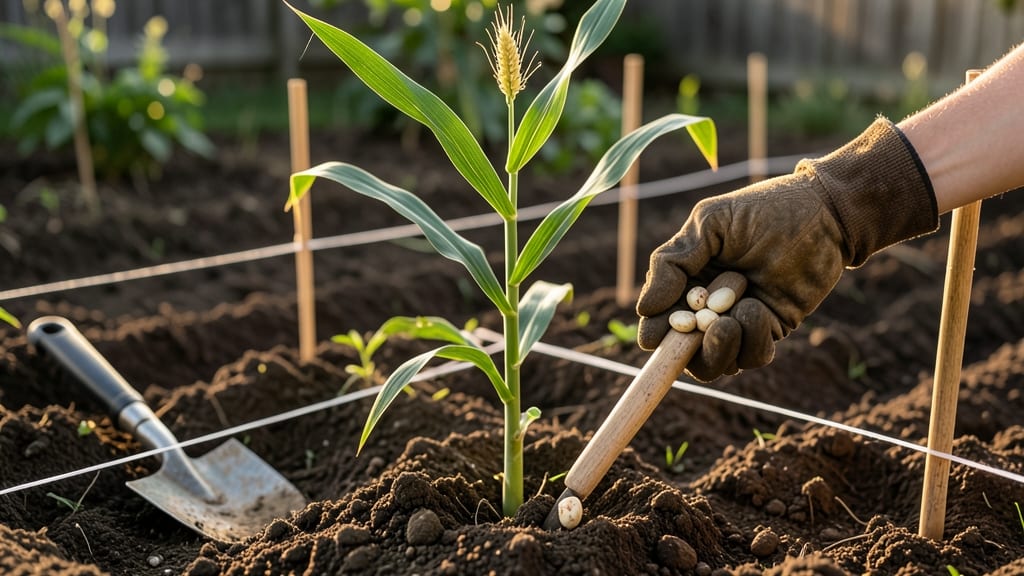
Planting corn in Indiana at the wrong time can mean the difference between a thriving 🌽 harvest and wasted seeds—so getting the timing right is everything.
With USDA zones 5b-6b and unpredictable late frosts, most gardeners wait until mid-April to early May, but even that window demands careful attention to soil warmth and frost risk.
The key to success lies in waiting until the soil reaches at least 60°F, which typically aligns with Indiana’s last frost date—but not always. Northern Indiana’s cooler microclimates may need a later start, while southern regions can sometimes plant as early as late March if conditions cooperate.
Whether you’re a first-time grower or a seasoned gardener, understanding these zone-specific deadlines will help you avoid common pitfalls like seed rot or stunted growth. I’ll walk you through exactly when to plant, how to prepare your soil, and what to watch for as the season progresses.
By the end, you’ll know not just when to plant corn in Indiana, but how to set your crop up for the best possible yield—no guesswork required.
Indiana corn planting deadlines by hardiness Zone (soil temperature & frost risk)
Indiana’s USDA Hardiness Zones 5a-6b create distinct planting windows for corn, where soil temperature and frost risk dictate success. In colder northern zones (5a), wait until soil reaches 50°F for 1-2 weeks—typically mid-April to early May.
Southern Indiana (6b) can start slightly earlier, around late March to mid-April, but avoid planting before the average last frost date (mid-April in most areas).
Corn seeds need consistent warmth to germinate; planting too early risks seed rot or stunted growth. Use a soil thermometer to confirm readiness—60°F+ soil ensures strong emergence. In Zone 5a, where frosts linger longer, prioritize fast-maturing varieties (60-75 days) to avoid harvest delays.
Here’s how Indiana’s regional variations impact your planting timeline, including soil temperature thresholds and frost-free windows by zone:
Missed the ideal window? Succession planting in early June can still yield corn, but choose 80-100 day varieties to mature before the first frost (mid-October). Southern Indiana gardeners in Zone 6b have the longest growing season, while Zone 5a growers should prioritize early-maturing hybrids to avoid harvest losses.
Pro tip: Monitor nighttime temperatures—corn thrives when nights stay above 55°F. Use row covers if planting early in Zone 5a to protect young seedlings from unexpected frosts. Always plant after the soil warms, not just the air—cold soil delays germination and invites pests like cutworms.
For northern Indiana, aim to plant by May 1 to ensure harvest before the first frost. In southern Indiana, you can push planting to early June for a late-season crop, but yields may be smaller.
Test your soil’s pH (6.0–7.0) and organic matter before planting—corn is heavy feeders and needs fertile soil to reach its full potential.
Use a planting calendar to track your local frost dates and adjust for microclimates (e.g., low-lying areas frost later). If your area experienced an early spring, don’t rush—wait for consistent soil warmth to avoid weak seedlings. Patience pays off with strong stalks and plump ears.
Remember: Corn loves heat, but it hates cold soil. Rushing the planting window can lead to poor germination or stunted plants. By following these zone-specific deadlines, you’ll give your corn the best chance to thrive in Indiana’s unpredictable climate.
🌽
5 Key factors that determine the best corn planting time in Indiana
Planting corn in Indiana isn’t just about checking the calendar—it’s about reading your soil, weather patterns, and seed readiness. While mid-April to early May is the ideal window, real-world conditions like soil moisture and nighttime temperatures can shift your timeline by weeks.
For example, my northern Indiana garden waited until May 1 in 2023 because April showers kept soil too cold for germination.
Skipping these key factors can lead to seed rot, stunted growth, or even total crop failure. I’ve learned the hard way that rushing corn into cold soil (below 50°F) causes seeds to linger in the ground, becoming prime targets for pests and disease.
Let’s break down what truly matters beyond the calendar dates.
- 1. Soil Temperature: Wait until soil reaches 50°F+ at 4-inch depth for 1-2 weeks. Use a soil thermometer—don’t guess! Cold soil delays germination by weeks.
- 2. Nighttime Stability: Ensure nighttime temps stay above 55°F. Corn seeds rot if exposed to frost after planting. Check your local frost-free date (typically late April in southern IN, early May in northern IN).
- 3. Seed Depth: Plant seeds 1-2 inches deep in loose, well-draining soil. Deeper planting risks poor emergence, while shallow planting exposes seeds to drying or birds. Use a seed starter tool for precision.
- 4. Moisture Levels: Soil should be moist but not waterlogged at planting. Overly wet soil suffocates seeds, while dry soil prevents sprouting. Aim for 1 inch of rain or irrigation within 2 weeks of planting.
- 5. Spring Timing Adjustments: For early springs, plant by April 15 (southern IN) or May 1 (northern IN). For late springs, choose fast-maturing varieties (e.g., Silver Queen or Peaches and Cream) and plant by June 1 for a smaller harvest.
One year, my northern Indiana garden faced a late frost in early May, forcing me to delay planting until May 15. I switched to 85-day varieties and still harvested 20% fewer ears than usual—but I learned to prioritize soil warmth over calendar dates.
Always test your soil with a thermometer; it’s the single best way to avoid costly mistakes.
Before planting, run through this quick pre-planting checklist: ☑️ Test soil temperature at 4-inch depth (must be 50°F+ for 1-2 weeks) ☑️ Verify nighttime temps stay above 55°F (use a minimum-maximum thermometer) ☑️ Loosen soil to 12 inches deep for root growth ☑️ Mix in compost for nutrients ☑️ Water beds deeply 24 hours before planting This ensures your corn starts strong and avoids the heartbreak of poor germination.
Remember, Indiana’s short growing season (about 165 frost-free days) demands precision. If you miss the ideal window, consider succession planting or row covers to extend the season. The key is balancing patience with opportunity—waiting for perfect conditions often beats rushing into less-than-ideal ones.