
Plants
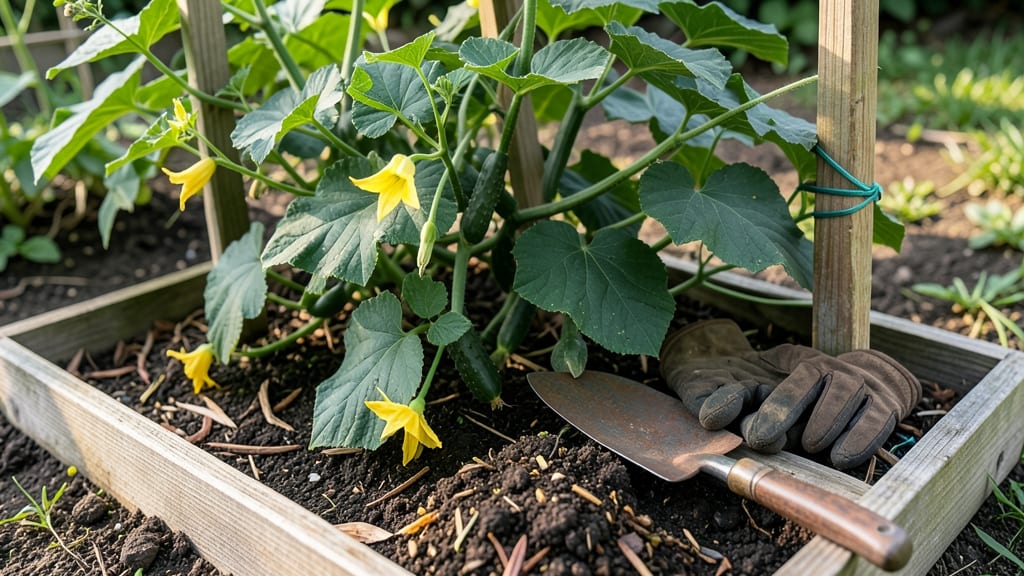
Planting cucumbers in Florida might seem like a no-brainer—after all, frost isn’t a concern! But timing still makes all the difference between a bountiful harvest and struggling vines.
The key is avoiding those brutal summer heat waves when even the hardiest 🥒 cucumbers can wilt faster than a snow cone in the sun.
Most Florida gardeners swear by the February–March window for early-season planting, but that’s just the start. Whether you’re in North Florida’s cooler Zone 9a or the steamy Zone 11 of the Keys, the right timing ensures your plants thrive without battling heat stress or pests.
I’ll break down the exact months that work best for your region—and how to stretch your harvest all the way into fall.
You might think container gardening or organic methods complicate things, but they actually simplify the process. With the right soil prep and a few smart tricks, you can grow cucumbers year-round without the guesswork.
Let’s dive into the heat zone guide that’ll turn your Florida garden into a cucumber powerhouse.
Ready to skip the trial-and-error? I’ll share my top tips for soil prep, watering schedules, and even how to handle Florida’s infamous humidity so your vines stay strong from seed to harvest. No more wasted effort—just crisp, homegrown 🥒 cucumbers all season long.
Florida heat Zone planting calendar: best months by region
Florida’s three distinct heat zones create unique planting windows for cucumbers. Unlike northern states, you won’t face frost, but soil temperatures and humidity levels still dictate success. North Florida’s cooler winters (Zone 8a-9a) allow fall/winter planting, while South Florida’s (Zone 10b-11) can grow cucumbers nearly year-round with proper care.
Let’s break down the exact months for each region to maximize your harvest.
For North Florida (Zone 8a-9a), your growing season stretches longer than most think. While summer heat can stress plants, fall and winter planting often yields sweeter cucumbers. Central Florida (Zone 9b-10a) enjoys a near-perfect climate for cucumbers, with minimal temperature extremes.
Meanwhile, South Florida (Zone 10b-11) gardeners can plant cucumbers in almost every month—but timing still matters to avoid disease pressure during the wettest seasons.
Here’s the key difference: North Florida can plant two full seasons (spring and fall), while Central and South Florida focus on spring and late summer for best results.
The table below shows exact planting windows by region, including bush vs. vining varieties and succession planting tips to keep your harvest going all season.
In North Florida, I always start my first planting in February to beat the summer heat.
The key is to choose disease-resistant varieties like 'Straight Eight' and use row covers if nighttime temperatures dip below 55°F. For Central Florida, I’ve found that planting in March gives the best balance—cool enough for germination but warm enough for rapid growth.
Avoid planting in July-August unless you’re using shade cloth, as temperatures often exceed 95°F.
South Florida gardeners have the most flexibility, but timing still matters. Planting in January-February takes advantage of cooler weather, while May-June plantings benefit from Florida’s long daylight hours.
The challenge here is humidity and pests, so I recommend using neem oil sprays and drip irrigation to keep foliage dry. For container gardening, I plant in 5-gallon pots and move them to shaded areas during peak afternoon heat.
One of my favorite succession planting strategies is the "staggered harvest" method. In North Florida, I plant one batch every 2 weeks from February through June. This ensures I have continuous cucumbers from May through October.
In Central and South Florida, I adjust the schedule to every 3 weeks to prevent overcrowding and disease spread. For bush varieties, I space plants 18 inches apart, while vining types get 3 feet of space or a trellis to save garden real estate.
Don’t forget about soil preparation—Florida’s sandy soil drains too quickly for cucumbers. I always amend with compost and add organic matter like coconut coir to retain moisture. For container growers, use a 50-50 mix of potting soil and compost.
Mulching with straw or grass clippings helps maintain even soil temperatures and reduces weed competition. This is especially critical in
How to avoid common Florida cucumber planting mistakes
Florida’s sandy soil and high humidity create perfect conditions for cucumber plants, but they also set you up for common mistakes. Overwatering in summer heat, poor soil pH from trapped nutrients, and heat stress can turn your garden into a disaster zone.
I’ve learned these lessons the hard way—here’s how to avoid them.
First, overwatering is the #1 killer of Florida cucumbers. The state’s sticky humidity means soil stays damp longer than you think. Yellowing leaves and mushy stems are red flags—your plants are drowning. I once lost an entire row because I watered at dusk, inviting fungal infections. Morning watering is non-negotiable.
⚠️ callout warning
⚠️ Florida-Specific Pitfalls
- Sandy soil traps nutrients poorly—amend with compost before planting.
- Heat stress (above 90°F) causes blossom-end rot—shade young plants.
- Powdery mildew thrives in humidity—space plants 12+ inches apart for airflow.
Pro Tip: Test soil pH—cucumbers thrive at 6.0-6.8. Florida’s native sand often sits at 5.5 or lower.
Next, blossom-end rot is a heartbreaker. This calcium deficiency causes dark, sunken spots on fruit ends. In Florida, it’s often triggered by inconsistent watering or high soil salts from irrigation. My solution? A weekly calcium supplement (crushed eggshells or gypsum) and mulch heavily to stabilize moisture.
Don’t ignore powdery mildew—that white, talcum-powder film on leaves? It’s a fungal infection that spreads like wildfire in Florida’s heat.
I’ve had success with a baking soda spray (1 tsp baking soda + 1 quart water + few drops of soap) applied every 7-10 days. Prevention is key: prune lower leaves for airflow and rotate crops annually.
For heat stress symptoms, watch for wilting leaves even when soil is moist—a sign your plants are overheated. In peak summer, I use shade cloth (30-50%) over young plants until they establish roots. Drip irrigation keeps foliage dry, reducing stress.
And never plant heat-sensitive varieties like ‘Straight Eight’ in July—opt for heat-tolerant types like ‘Southern Sweet 100’ instead.
Here’s my troubleshooting checklist for Florida cucumbers: ☑️ Yellow leaves? Check for overwatering or nutrient deficiency. ☑️ Blossom-end rot? Boost calcium and water consistently. ☑️ Powdery mildew?
Spray baking soda mix and improve airflow. ☑️ Wilting despite moisture? Your plants are too hot—provide shade.
With these fixes, you’ll avoid the costly mistakes that sink so many Florida cucumber gardens. Organic solutions work best here—no need for harsh chemicals when compost, mulch, and proper spacing do the trick. Happy growing! 🌱