
Plants
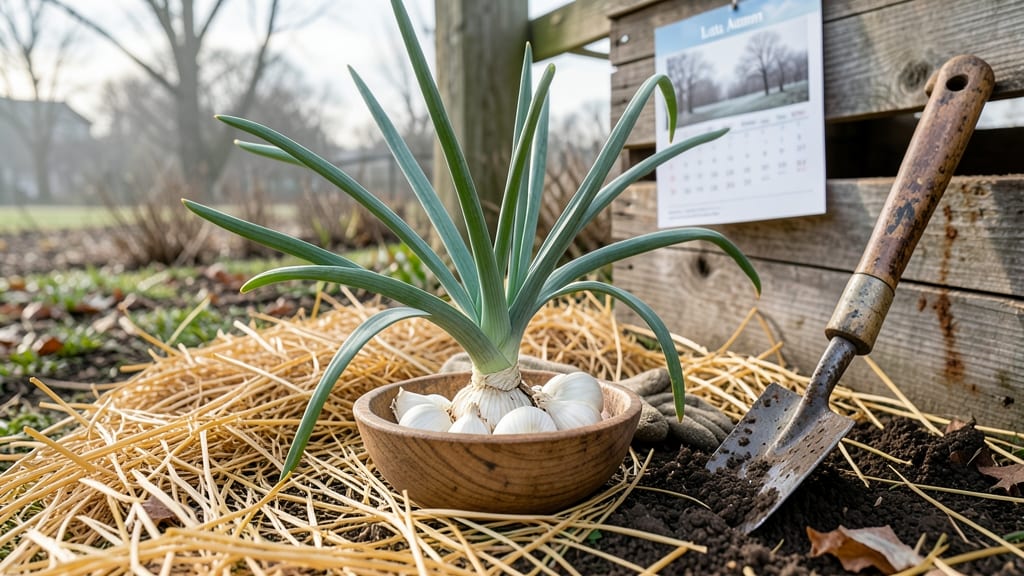
Planting garlic in Oklahoma isn’t just about timing—it’s about mastering the 6b-7a zone’s quirks to grow plump, flavorful bulbs. Too early, and frost zaps your crop before roots take hold; too late, and your cloves won’t establish before winter’s bite.
The October-November window exists for a reason, and getting it right means the difference between a thriving harvest and wasted effort.
I’ve learned the hard way that Oklahoma’s unpredictable freezes demand precision. While most gardeners focus on soil temperature, the first frost date (Nov 15) is your real deadline.
Planting 4-6 weeks before that date gives your 🧄 enough time to root deeply while still benefiting from winter’s chill—a critical step for hardneck varieties that need cold to form bulbs.
But here’s the secret most Oklahoma growers miss: adjusting for your specific microclimate. If you’re in the panhandle’s 7a zone, you’ve got a little more wiggle room than those in the cooler 6b areas near the Arkansas border.
I’ll show you exactly how to calculate your ideal window using local frost data and soil cues—no guesswork involved.
Ready to unlock bigger yields and fewer flops? Let’s dive into the exact steps to time your planting for Oklahoma’s climate, from soil prep to the first hard freeze warning signs that’ll save your crop.
Best fall planting windows for Oklahoma garlic by hardiness zone
Oklahoma’s hardiness zones 6b and 7a create a perfect window for growing hardneck garlic, but timing is everything. Plant too early, and your cloves might sprout before winter—weakening them. Plant too late, and they won’t establish strong roots before the ground freezes.
The key is 4-6 weeks before your first hard freeze, typically between mid-October and early November.
For zone 6b (northern OK), aim for October 15–November 1. In zone 7a (southern OK), you’ve got a little more flexibility—October 30–November 15 works best.
The goal is to let garlic roots establish before winter dormancy sets in, but not so early that they start growing above ground before frost.
Soil temperature is your best guide. Ideal planting conditions occur when soil temps drop to 60–70°F—warm enough for root growth but cool enough to prevent premature sprouting. Use a soil thermometer to check, especially if your fall weather swings between warm and cold.
Here’s the critical rule: Never plant garlic after the first hard freeze. Cloves need time to root before winter dormancy kicks in. If you miss your window, wait until early spring (February–March) for a second chance, though yields will be smaller.
Now, let’s break down the exact planting windows by zone, including soil temp thresholds and frost risk adjustments.
| Zone | Optimal Planting Window | Soil Temp Threshold | Frost Risk Window | Adjustments for Early/Late Freeze |
|---|---|---|---|---|
| 6b (Northern OK) | October 15–November 1 | 60–70°F | First hard freeze: Nov 15–Dec 1 | Plant earlier if soil warms late; use mulch to delay freeze. |
| 7a (Southern OK) | October 30–November 15 | 60–70°F | First hard freeze: Nov 20–Dec 5 | Plant later if soil stays warm; monitor weather forecasts. |
| Both Zones | September 15 (last chance) | 70–80°F (risky) | Early frost possible | Avoid unless using cold frames. |
| Both Zones | February–March (spring) | 50–60°F | Last frost: April 15 | Smaller yields; not ideal for hardnecks. |
If you’re in zone 6b, start planting by October 15 to ensure roots establish before winter. Use a soil thermometer to confirm temps are between 60–70°F.
In zone 7a, you can push it slightly later—up to November 15—but don’t wait too long, or your cloves won’t root deeply enough.
Pro tip: Mulch heavily after planting (2–3 inches of straw or leaves) to insulate soil and protect emerging roots during temperature swings. This is especially critical in zone 6b, where winters can be harsher. In zone 7a, mulch helps retain moisture during occasional dry spells in late fall.
Watch for early freezes—if temps drop below 20°F before roots establish, your garlic may fail. Use row covers or cold frames for a few weeks after planting if your forecast predicts a sudden cold snap. This buys time for roots to grow without freezing.
For maximum hardneck success, pair your planting with well-draining soil (pH 6.0–7.0) and full sun exposure. Hardneck varieties like ‘Music’ or ‘German White’ thrive in Oklahoma’s climate, but timing is their #1 growth factor.
Plant at the right window, and you’ll harvest plump bulbs by June or July.
Remember: No garlic, no scapes—and no scapes, no hardneck garlic! Oklahoma’s fall planting window is your golden ticket to a bountiful harvest, so mark those dates on your calendar and get planting.
How to time your garlic planting for maximum yield in Oklahoma’s climate
Oklahoma’s fall planting window for garlic is your golden opportunity to grow plump, flavorful bulbs. The key is planting 4-6 weeks before the ground freezes—typically between October 15 and November 15.
This timing ensures garlic establishes strong roots before winter dormancy, while avoiding the risk of pre-mature sprouting if planted too early. For hardneck varieties, which thrive in Oklahoma’s climate, this window is non-negotiable for maximum yield.
Don’t let Oklahoma’s variable frost dates (ranging from November 15 to December 15) throw you off. Instead, focus on soil temperature thresholds. Plant when soil temps hover around 50-60°F—a reliable indicator that roots can establish without freezing.
Use a soil thermometer to confirm, especially if your area experiences early freezes. This precision is what separates a mediocre harvest from a bountiful one.
🌱 Here’s your step-by-step guide to nailing garlic planting in Oklahoma:
- Step 1: Wait until soil temps are 50-60°F (use a thermometer to check).
- Step 2: Plant 4-6 weeks before first frost (aim for October 15-November 15).
- Step 3: Choose a moon phase—plant during a waxing moon for stronger roots.
- Step 4: Prepare soil with compost and aged manure (aim for pH 6.0-7.0).
- Step 5: Plant 2 inches deep with 4-6 inches between cloves.
- Step 6: Mulch with 4-6 inches of straw to insulate roots over winter.
Pro tip: Use Oklahoma’s average frost dates as a guide, but always verify with your local Cooperative Extension Service. For example, Tulsa (Zone 7a) may need garlic in the ground by November 1, while Altus (Zone 7b) can wait until November 15.
Adjust based on microclimates—sheltered areas can handle later plantings.
Moon phase enthusiasts swear by planting garlic during a waxing moon to boost root growth. While science isn’t definitive, many Oklahoma gardeners report larger bulbs when following lunar cycles. Pair this with well-draining soil (sandy loam works best) and you’re set for a high-yield harvest next summer.
Don’t skip the soil test—garlic hates soggy conditions, so amend clay soil with organic matter.
Before planting, create a pre-planting checklist: ☑️ Test soil pH (aim for 6.0-7.0) ☑️ Break apart large cloves (keep papery skins intact) ☑️ Choose a sunny, raised bed if drainage is poor ☑️ Mark planting rows with stakes or flags ☑️ Gather straw mulch (4-6 inches) for winter insulation With these steps, your Oklahoma garlic will thrive—no guesswork needed! 🌿