
Plants
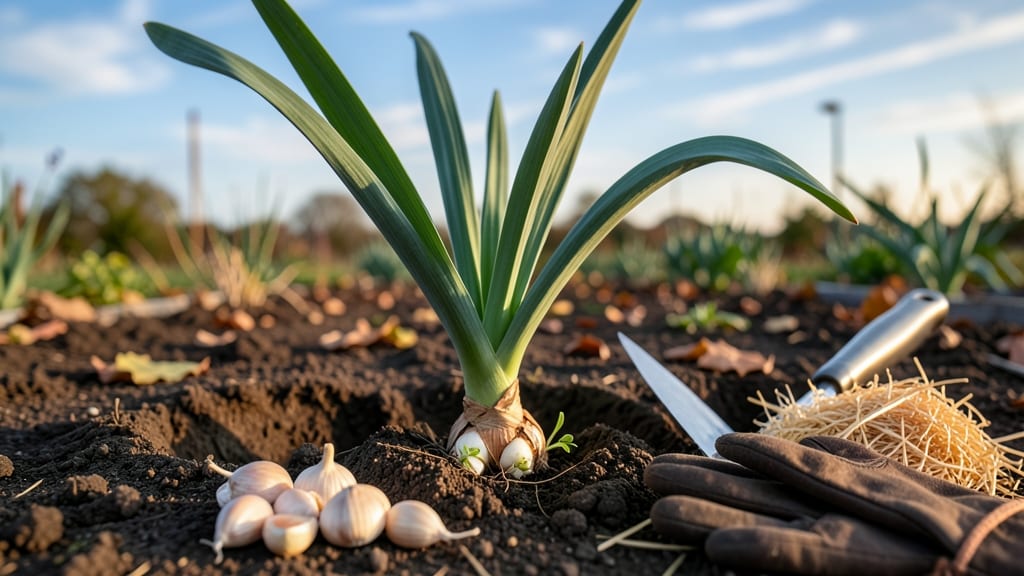
Planting garlic in Zone 6 at the wrong time could mean the difference between a bumper crop of 🧄 and wasted effort. The key to success isn't just when you plant—it's understanding your region's unique frost patterns and soil conditions that make fall the optimal window.
Most gardeners in Zone 6a-6b know timing is everything, but many still struggle with the 6-8 week window before the ground freezes. Plant too early, and your cloves might rot; too late, and they won’t establish strong roots before winter.
The secret lies in preparing your soil and choosing the right varieties for your specific microclimate.
In this guide, I’ll walk you through the exact fall planting schedule for Zone 6, including soil prep tips, variety recommendations, and how to adjust for early or late frosts.
Whether you're a beginner or a seasoned gardener, these insights will help you grow the largest, most flavorful bulbs your garden has ever seen.
Ready to transform your garlic harvest? Let’s dive into the timing secrets that will set you up for success from the very first clove in the ground.
The perfect fall planting window for garlic in Zone 6
Garlic thrives in Zone 6 when planted during the 6-8 week window before the ground freezes. This typically means aiming for mid-October to early November, giving your cloves time to establish roots before winter dormancy.
The key is planting when soil temperatures drop below 50°F, signaling garlic to shift from leaf growth to bulb development. Miss this window, and you risk either rot from warm soil or stunted growth from late planting.
Zone 6’s last average frost date usually falls around November 15, but this varies by region. In the Appalachian Mountains, for example, frosts can arrive earlier than in the Great Plains, where milder nights may extend the window.
Always check your local USDA Plant Hardiness Zone Map and historical frost data to fine-tune your timing. A few weeks’ difference can mean the difference between plump bulbs and disappointing harvests.
Soil temperature is your best indicator for planting garlic. Use a soil thermometer to confirm readings are consistently below 50°F at a depth of 4 inches. If temperatures hover around 60°F or higher, garlic cloves may rot before they sprout.
In Zone 6a (colder microclimates), aim for early October planting, while Zone 6b gardeners can wait until late October or early November.
| Region | Ideal Planting Window | Soil Temp Threshold | Adjustments for Early/Late Frost |
|---|---|---|---|
| Appalachian Mountains (Zone 6a) | Mid-October to early November | Below 50°F | Plant 2-3 weeks earlier if early frost risk |
| Great Plains (Zone 6b) | Late October to mid-November | Below 50°F | Extend window to early December if mild winters |
| Mid-Atlantic (Zone 6a/b) | Late October to early November | Below 50°F | Use mulch to protect if frost arrives early |
| Upper Midwest (Zone 6a) | Early to mid-October | Below 45°F | Plant as early as September if soil cools fast |
If your fall season arrives early, don’t panic—garlic can handle light frosts once planted. However, avoid planting when soil is too warm (above 60°F), as this encourages rot. A trick for late fall plantings is to use black plastic mulch to warm the soil slightly and extend the window.
Conversely, if your area experiences unusually warm falls, opt for hardneck varieties, which tolerate cooler conditions better than softneck types.
Garlic planted in fall will harvest the following summer, typically between July and August. The 6-8 week window before freezing ensures cloves have time to develop a strong root system, which translates to larger bulbs come harvest.
For example, planting on October 15 in most of Zone 6 gives roots ample time to establish before winter dormancy begins. This timing also aligns with garlic’s natural growth cycle, where cold temperatures trigger bulb formation.
Regional microclimates play a huge role in Zone 6 garlic success. In mountainous areas, where nights cool quickly, plant garlic 2-3 weeks earlier than flatland regions. Conversely, urban heat islands may delay frost, allowing for later plantings.
Always monitor your local weather forecasts and adjust your schedule accordingly. A 10-day forecast can help you decide whether to push planting to the later end of your window or play it safe with an earlier date.
One common mistake is assuming garlic can be planted anytime in fall. While garlic is hardy down to Zone 5, it still needs time to root before freezing.
Aim to plant at least 4-6 weeks before the first hard frost, even if your area rarely sees freezing temperatures. This buffer ensures your garlic isn’t stressed by sudden cold snaps. For example, if your average first frost is November 15, plant by October 15 to be safe.
To test your soil’s readiness, perform a simple finger check: Push your finger 4 inches into the soil. If it feels cool but workable (not icy), it’s time to plant. If the soil is still warm, wait a few more days or use row covers to protect young plants.
Remember, garlic’s root development is critical—cloves planted in warm soil may sprout but won’t form strong bulbs. Patience here pays off with bigger, healthier harvests next summer.
For gardeners in Zone 6b, where winters are slightly milder, you can sometimes push the window to early December. However, this requires extra mulching (6+ inches of straw) to insulate the soil. In contrast, Zone 6a gardeners should prioritize planting by mid-October to avoid winter stress.
Always err on the side of earlier planting—garlic will wait for warmer soil in spring, but it won’t recover from being planted too late in fall.
Once you’ve nailed your planting window, focus on soil preparation and mulching to maximize success. Work in compost or aged manure before planting to improve drainage, and apply a 4-6 inch layer of straw mulch after planting.
This protects cloves from temperature fluctuations and prevents soil heaving during freeze-thaw cycles. With the right timing and care, your Zone 6 garlic will
How to choose garlic varieties for Zone 6’s climate
Zone 6’s chilly winters and moderate summers make it perfect for growing garlic varieties that thrive in cold climates.
The right choice depends on whether you prioritize bulb size, flavor intensity, or storage life. Hardneck and softneck varieties each excel in different ways, and picking the wrong one can mean smaller yields or weaker flavor.
For Zone 6, hardneck garlic like 'Music' and 'German White' are top picks because they handle freezing temperatures and produce larger cloves with bold flavors. Softneck varieties, such as 'Silverskin', store longer but may struggle with Zone 6’s harsh winters.
Understanding these differences ensures your garlic thrives and delivers the best harvest.
Timing also plays a role—hardneck garlic needs 6-8 weeks of cold exposure to form bulbs, while softneck varieties are more flexible. In Zone 6, planting hardnecks in fall (October-November) aligns perfectly with their dormancy needs, but softnecks can sometimes be planted in early spring if fall planting is missed.
Hardneck vs. Softneck Garlic in Zone 6
- Pros: Larger bulbs, bold flavor, thrives in cold
- Cons: Needs cold dormancy, shorter storage life
- Pros: Longer storage, milder flavor, flexible planting
- Cons: Smaller bulbs, less cold-hardy
'Music' garlic is a Zone 6 favorite because it produces large, flavorful bulbs and handles freezing temperatures with ease. Its purple-streaked cloves are perfect for roasting or fresh use, and it matures early, giving you a head start on the growing season. If you love bold garlic flavor, this variety is a must-try.
'German White' is another excellent hardneck for Zone 6, known for its mild yet robust taste and high yield. It’s also more resistant to mold and disease, making it a reliable choice for gardeners dealing with humid Zone 6 summers. For storage, though, it’s best used within 6-8 months of harvest.
If you prefer longer storage, 'Silverskin' softneck garlic is a great option, though it may not perform as well in Zone 6’s harsh winters. It stores for up to a year and has a milder flavor, ideal for cooking.
However, its smaller bulbs mean you’ll need to plant more cloves for the same yield as hardnecks.
For Zone 6 gardeners, the key is matching your variety to your goals. Want big, bold bulbs? Go hardneck. Need long-term storage? Try softneck. And remember, planting timing is everything—fall planting is ideal for hardnecks, while softnecks can sometimes wait for early spring.