
Plants
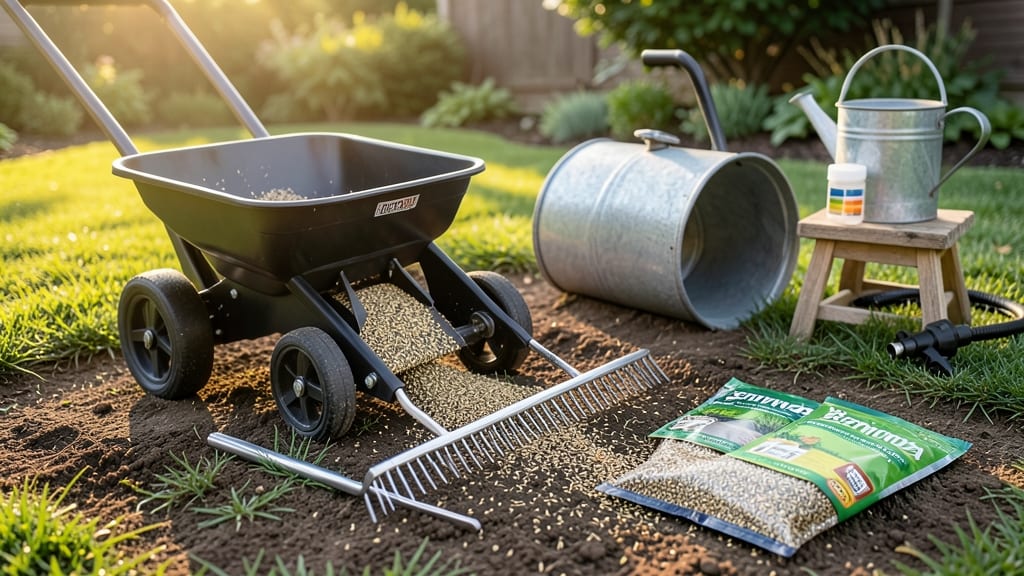
Planting grass seed in Texas at the wrong time can turn your dream of a lush lawn into a frustrating gamble—especially when scorching summers or sudden freezes throw off your timing.
The key to success lies in understanding when to plant for your specific region, whether you're in North, Central, or South Texas.
Most Texas gardeners know fall is ideal, but did you know August through October gives grass seed the perfect balance of warmth and moisture to germinate quickly?
Spring planting in February to April also works, but timing is everything—too late, and summer heat will stress young grass before it takes root.
Why does this matter? Because fast germination means fewer weeds, deeper roots, and a lawn that thrives through Texas' unpredictable climate. I'll break down the best months for your area, soil prep tips, and how to avoid common mistakes that kill grass seed before it even sprouts.
Ready to transform your yard? Let's dive into the best planting windows and step-by-step strategies to ensure your grass grows thick, green, and resilient—no matter where you are in the Lone Star State.
Texas grass planting calendar: best months by region for fast germination
Texas’ diverse climate means your grass planting timing should vary by region—whether you're in North Texas with cooler winters or South Texas with year-round heat. Planting at the wrong time can lead to poor germination, weed competition, or even seed death from extreme temperatures.
The key is aligning your planting with soil temperatures (ideal: 60–75°F) and avoiding peak heat or frost risks.
For fast germination and strong root establishment, focus on fall planting (August–October) or early spring (February–April). Fall is especially critical in Texas because cooler temps reduce water stress and weeds, while spring planting must happen before summer’s brutal heat sets in.
Let’s break down the best planting windows by region to maximize your lawn’s success.
| Region | Best Planting Months | Soil Temp (°F) | Key Considerations |
|---|---|---|---|
| North Texas (Dallas, Fort Worth) | August–October (Fall) or February–March (Spring) | 60–75°F | Avoid summer heat (>90°F) and winter freezes (<32°F). Last frost: ~March 15. |
| Central Texas (Austin, San Antonio) | August–September (Fall) or March (Spring) | 65–75°F | Hot summers (avoid May–July). First frost: ~November 15. Use drought-resistant varieties. |
| South Texas (Houston, Corpus Christi) | July–August (Early Fall) or February (Spring) | 70–80°F | Humid year-round; plant before monsoon rains (June) or extreme heat (>100°F). First frost: ~December 20. |
| West Texas (Lubbock, Midland) | September–October (Fall) or March (Spring) | 55–70°F | Arid climate; water deeply post-planting. Avoid summer planting due to drought and high winds. |
In North Texas, where winters can dip below freezing, aim for August–October to give grass time to establish before cold snaps. If you plant in spring, do it by March to avoid the region’s 100°F+ summers.
For Central Texas, focus on August–September when temps are ideal, and avoid planting in May–July when heat and drought stress seeds.
For South Texas, where humidity and heat are year-round challenges, July–August is your best bet—just beat the monsoon rains. Spring planting here is risky due to sudden heat spikes, so February is your last chance.
In West Texas, water scarcity is the biggest hurdle; plant in September–October for cooler soils and lower evaporation rates.
Pro tip: Use a soil thermometer to confirm temps are in the 60–75°F range before planting. If soil is too hot or cold, germination slows or fails entirely.
For warm-season grasses like Bermuda or Zoysia, fall planting is ideal—they thrive in Texas heat but need a head start. Cool-season grasses (e.g., Kentucky Bluegrass) should go in late summer/early fall to avoid winter dormancy issues.
Regional grass varieties also play a role. In North Texas, Tifway 419 Bermuda handles heat well, while Central Texas favors St. Augustine for shade tolerance. South Texas gardeners often choose Centipede grass for its drought resistance.
Always check Texas A&M AgriLife recommendations for your specific county to fine-tune timing and variety choices.
One common mistake? Planting too late in the season. For example, November plantings in North Texas risk winter dormancy before roots establish. Similarly, April plantings in South Texas may face summer heat stress within weeks. Stick to the 4–6 week buffer before first frost (or extreme heat) for best results.
Finally, don’t forget to water lightly but frequently after planting—aim for ¼ inch per day for the first 2 weeks. Use a sprinkler with fine mist to keep seeds moist without washing them away.
With the right timing and care, your Texas lawn will germinate fast and strong, outcompeting weeds and surviving the state’s unpredictable climate. 🌱
How to prepare your Texas lawn for grass seed planting (step-by-step)
Preparing your Texas lawn for grass seed planting is the secret weapon against poor germination and weak grass growth. Texas’ extreme heat and unpredictable weather demand meticulous prep work to give seeds the best chance. Skipping these steps can lead to patchy lawns or wasted seed—don’t let that happen!
Your lawn’s success starts with soil preparation. Healthy soil means faster germination, deeper roots, and a lawn that thrives through Texas’ summer droughts and winter freezes. Let’s break down the critical steps to ensure your grass seed takes root like a pro.
Step-by-Step Lawn Prep for Texas Grass Seed
- 1 Test Your Soil – Use a soil test kit (available at garden centers) to check pH (6.0-7.0 ideal) and nutrient levels. Texas clay soils often need amendments like compost or lime.
- 2 Adjust pH if Needed – If pH is below 6.0, add pelletized lime (follow package rates). For alkaline soils (pH >7.5), mix in sulfur or peat moss to lower pH gradually.
- 3 Remove Weeds and Debris – Pull weeds by hand or use a non-selective herbicide (like glyphosate) 2 weeks before planting. Rake away dead grass and rocks for a clean seedbed.
- 4 Till the Soil – Loosen the top 2-3 inches of soil with a rototiller to improve aeration and seed-to-soil contact. Avoid over-tilling, which can compact the soil again.
- 5 Add Compost or Fertilizer – Mix in 2-3 inches of compost or a starter fertilizer (high in phosphorus, like 5-10-10) to boost root development. This feeds the seeds as they germinate.
- 6 Level the Soil – Use a rake to smooth out low spots and fill in high areas. A level surface ensures even seed distribution and prevents water pooling.
- 7 Water Lightly Before Planting – Moisten the soil 1-2 days before seeding to help seeds make immediate contact with moisture. Aim for soil temps between 60-75°F for optimal germination.
After prepping your soil, plant your grass seed as soon as possible to take advantage of the moisture and ideal temperatures. For Texas, fall planting (September-October) is ideal because cooler temps reduce stress on new seedlings, while spring planting (March-April) works for warm-season grasses like Bermuda.
Once seeded, water gently but frequently—keep the top 1-2 inches of soil moist (not soggy) for the first 2-3 weeks. Use a light mist setting on your sprinkler to avoid washing seeds away. Mulch with straw to retain moisture and protect seeds from bird damage.
With these steps, your Texas lawn will have a head start on growing thick, resilient grass that beats the heat and drought. Happy planting—your future lawn will thank you! 🌱