
Plants
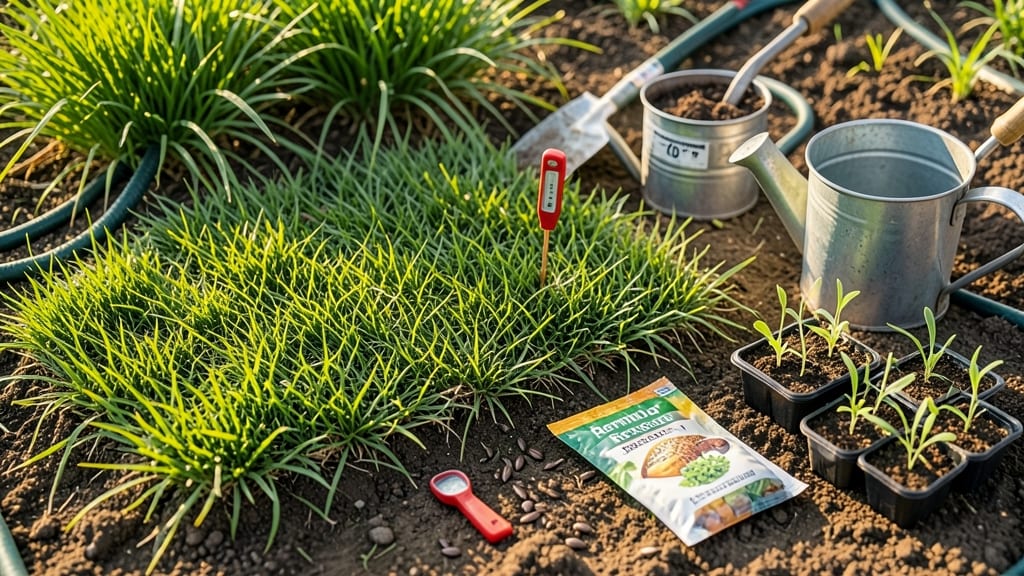
Planting Bermuda grass seed at the wrong time in North Texas can mean the difference between a lush lawn and battling heat stress from day one.
This warm-season grass thrives when soil temperatures hit 75°F+, making late spring the perfect window to get it established before summer’s brutal dry spells kick in.
If you’ve ever watched your seed wash away in a sudden rain or struggle to take root under scorching sun, you know timing is everything.
The key is planting between late April and early June, when moisture levels are more predictable and the grass has time to develop deep roots before summer’s peak heat arrives.
But here’s the catch: rushing too early can leave your seed vulnerable to cold snaps, while waiting too long risks exposing it to extreme heat.
I’ll walk you through the exact soil temperature checks and prep steps to give your Bermuda grass the best possible start in North Texas’ challenging climate.
With the right approach, you’ll skip the guesswork and create a lawn that stays green even when others wilt. Let’s dive into the proven methods that work in USDA Zone 8a—no trial and error required.
Optimal planting windows for Bermuda grass seed in North Texas (with soil temp guide)
North Texas gardeners know timing is everything when planting Bermuda grass seed. The difference between 65°F and 85°F soil temperatures can mean the difference between robust germination and wasted seed. For this region, I’ve found the two best windows—spring and fall—each with unique advantages and challenges.
Spring planting (late April through early June) gives your Bermuda grass a head start before summer’s brutal heat. However, fall planting (late August through early September) often yields stronger roots before winter dormancy. Both require consistent moisture and soil temps above 75°F for optimal success.
Here’s the critical detail: Bermuda grass seed won’t germinate until soil reaches at least 65°F, but for vigorous growth, aim for 75°F+. In North Texas, this typically aligns with late April to early June for spring and late August to early September for fall.
Rural areas may run 2-3 weeks later than urban centers like Dallas or Fort Worth due to microclimates.
| Planting Window | Soil Temp Threshold | Ideal Months | Microclimate Notes |
|---|---|---|---|
| Spring | 75°F+ | Late April - Early June | Urban areas: 2 weeks earlier; Rural: 2 weeks later |
| Fall | 75°F+ | Late August - Early September | North Texas heat lingers; monitor temps closely |
| Avoid | Below 65°F | November - March | Seed won’t germinate; risk of frost damage |
To check soil temperatures accurately, I recommend using a soil thermometer (available for under $10). Insert it 4 inches deep in your lawn and monitor readings daily. Most North Texas weather apps also provide soil temperature forecasts, which can help you time your planting perfectly.
For Dallas and Fort Worth, aim to plant when daytime highs are consistently 85°F+—this usually means late April to early May. Rural areas like Waco or Abilene may need to wait until mid-May due to cooler nighttime temperatures.
Fall planting should begin when nighttime lows stay above 60°F, typically late August.
One common mistake I see is planting too early in spring when soil temps are still cool. The seed may sprout, but without enough warmth, the roots stay shallow and vulnerable to drought.
Always wait until the soil—not just air—is warm enough. A simple trick is to check if your lawn feels warm to the touch in the afternoon.
Watering is equally critical during these windows. Bermuda grass seed needs 1 inch of water daily for the first two weeks to prevent drying out. Use a rain gauge or tuna can to measure accurately—overwatering can wash seeds away, while underwatering leads to poor germination.
Early morning watering (before 10 AM) minimizes evaporation and fungal risks.
If you’re planting in shady areas (even partial shade), consider a shade-tolerant variety like Celebration Bermuda. These areas may require 2-3 extra weeks of warm soil before planting.
Test your soil’s shade exposure by placing a white board on the ground at noon—if it casts a shadow, it’s not full sun.
Remember, Bermuda grass is aggressive once established, so timing your planting right ensures it outcompetes weeds. With the right soil temperatures and consistent moisture, you’ll have a thick, drought-resistant lawn by summer’s end. 🌱
How to prepare your North Texas lawn for Bermuda grass seed success
Preparing your North Texas lawn for Bermuda grass seed is half the battle—skipping proper prep can leave your seed struggling against compacted soil or weed competition. Start by clearing existing grass or weeds using a non-selective herbicide like glyphosate, applied 4–6 weeks before planting to avoid residue issues.
This timing ensures weeds die but don’t regrow before your Bermuda grass sprouts.
Next, test your soil’s pH level—Bermuda grass thrives in a 6.0–7.5 range. North Texas soils often lean alkaline, so you may need to add sulfur or peat moss to adjust.
Grab a soil test kit from your local extension office or use a DIY kit for quick results. Aim to amend at least 2–3 inches deep for even distribution.
Bermuda grass seed in North Texas won’t germinate below 65°F soil temps—planting in March risks slow growth, while July planting risks seed washout from sudden storms. Late April–early June is ideal, but monitor soil temps with a soil thermometer ($10 at garden centers). Rural areas may need 2–3 weeks earlier than cities due to cooler microclimates.
Before seeding, aerate your lawn to a depth of 3–4 inches using a core aerator. This breaks up hardpan layers common in North Texas, allowing roots to penetrate deeply.
Rent a machine or hire a pro if your lawn is over 5,000 sq ft—manual aerators won’t cut it for large areas. Follow up by top-dressing with compost to improve soil structure and moisture retention.
Schedule your irrigation system to deliver ½ inch of water daily for the first 2 weeks, then taper to 1 inch weekly once sprouts appear. Use a rain gauge to avoid overwatering, which can drown seeds.
Early morning watering (6–9 AM) prevents fungal risks and ensures moisture reaches roots before evaporation.
Common mistakes include planting too deep (bury seeds ¼ inch max) or ignoring pre-emergent herbicide applications after seeding. Apply a selective pre-emergent like pendimethalin 2 weeks post-planting to block crabgrass without harming Bermuda grass. Always follow label rates—overapplying can stunt growth.
Finally, avoid walking on new seed until it’s 2–3 inches tall. Use a straw mulch to protect seeds from bird damage and retain moisture. With these steps, your Bermuda grass will establish a deep root system by summer’s peak, outlasting North Texas’ harshest heat.