
Plants
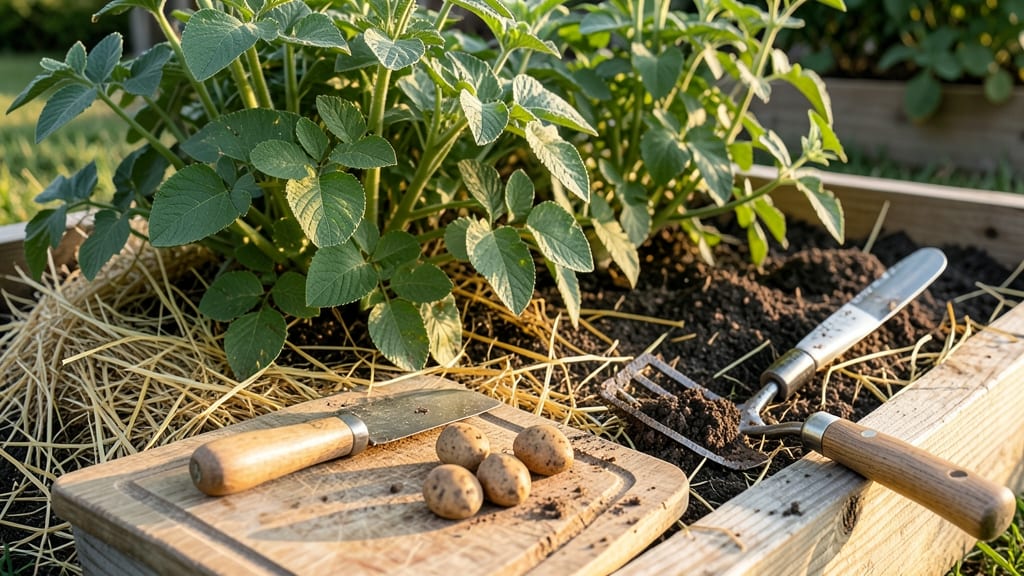
Planting potatoes in Idaho isn't as simple as dropping seed potatoes into the ground when the calendar says "spring"—the state's dramatic elevation shifts mean your neighbors might be harvesting while you're still waiting for frost-free soil.
Whether you're in Boise's lowlands or the high-desert Palouse, timing is everything to avoid stunted 🥔 growth or wasted seed stock.
Most Idaho gardeners swear by mid-April to early May as the sweet spot, but that's a broad brushstroke for a state where 4,000-foot differences can push planting windows by 3 weeks.
Cold soil shocks young sprouts, while waiting too long risks early blight—so knowing your local frost dates and soil warmth patterns is the key to success.
I'll break down exactly how Idaho's three altitude zones (lowland, mid-altitude, and high mountain) dictate your planting schedule, plus how to test soil temperature like a pro. You'll also discover which potato varieties thrive in Idaho's short season and how to stretch your harvest with simple tricks most gardeners overlook.
Let's get your potatoes in the ground at the perfect moment—because in Idaho, a few weeks can mean the difference between a bumper crop and a disappointing bag of small tubers.
Idaho’s 3 altitude zones for potato planting: when to start in each
Idaho’s dramatic elevation shifts—from the Snake River Plain to the Sawtooth Mountains—create three distinct potato planting zones, each with its own frost-free date and soil warmth timeline. Lowland areas like Twin Falls warm quickly, while high mountain valleys near McCall may still see frost in June.
Understanding these zones helps you avoid cold soil shock and maximize your harvest window.
Potatoes thrive when soil reaches 45°F+, but air temperature alone won’t cut it—Idaho’s dry climate means soil warms 10–15°F slower than humid regions. Use a soil thermometer (not your finger!) to confirm readiness.
Planting too early in cold soil stunts roots, while waiting too long shortens the growing season for high-altitude gardens.
Pro Tip: Idaho State University Extension recommends using black plastic mulch in cooler zones to warm soil by 5–10°F faster. This trick extends your planting window by 2–3 weeks in marginal zones.
| Altitude Zone | Elevation Range | Last Frost Date | Planting Window | Soil Temp Threshold | Best Varieties |
|---|---|---|---|---|---|
| Lowland | 3,000–4,000 ft | Mid-April | Early April–Early May | 45–50°F | Russet Burbank, Kennebec |
| Mid-Altitude | 4,000–6,000 ft | Late April–Early May | Late April–Mid-May | 45–50°F (use mulch) | Yukon Gold, Red Pontiac |
| High Mountain | 6,000+ ft | Early–Mid June | Late May–Early June | 50–55°F (wait for warmth) | Fingerlings, Purple Viking |
🌱 Note: Adjust for microclimates—south-facing slopes warm earlier!
In lowland Idaho (3,000–4,000 ft), like the Treasure Valley, potatoes can go in the ground as early as early April. The Snake River Plain often sees its last frost by mid-April, and soil warms rapidly in sandy loam.
Here, early-maturing varieties like Russet Burbank (90–110 days) thrive when planted by April 1st.
Mid-altitude zones (4,000–6,000 ft), including Boise and the Pocatello area, face 1–2 weeks later frost dates. Plant Yukon Gold or Red Pontiac between late April and mid-May, using black plastic mulch to accelerate soil warming. These zones benefit from row covers if late frosts linger.
High mountain gardens (6,000+ ft), such as McCall or Donnelly, have the shortest growing seasons. Wait until soil hits 50–55°F—often late May or early June. Fingerling potatoes and Purple Viking (70–90 days) are ideal here. Plant after Memorial Day to avoid frost damage.
Critical Tip: Idaho’s eastern slopes (like near Sandpoint) stay cooler longer due to rain shadow effects. Test soil temperature for 3 consecutive days above 45°F before planting. Use a minimum-maximum thermometer buried 4 inches deep for accuracy.
For container growing in urban Idaho (e.g., Boise or Coeur d’Alene), start seed potatoes indoors in March using grow lights to extend the season. Move pots outside only after nighttime temps stay above 50°F consistently.
Remember: Potato planting success in Idaho hinges on soil temperature, not just calendar dates. Check local USDA Plant Hardiness Zone maps and adjust for your specific microclimate. Happy digging—your 2025 spud harvest depends on it!
Soil warmth secrets: how Idaho’s unique microclimates affect potato growth
Idaho’s inland valleys like the Treasure Valley heat up faster than eastern mountain slopes, creating microclimates where potatoes thrive at different times. While Boise may see 50°F soil by mid-April, mountainous regions like McCall might still be 38°F—a critical difference for potato germination.
These temperature shifts explain why your neighbor’s harvest might be twice yours, even with the same planting date.
Most gardeners rely on air temperature to decide when to plant, but soil warmth is the real game-changer. Potatoes need soil temps of at least 45°F to sprout consistently, and 50°F for optimal growth.
In Idaho, this can mean planting 3–4 weeks earlier in valleys compared to higher elevations. Skipping this step risks cold soil shock, where tubers rot underground before they even sprout.
⚠️ callout warning
Even if your last frost date is April 15, don’t rush! Test soil temps with a soil thermometer (insert 4 inches deep). In sandy soils, warmth penetrates faster—plant when temps hit 50°F+. In clay soils, wait for 55°F+ to avoid cold shock. Pro tip: Use black plastic mulch 1–2 weeks before planting to warm soil 5–10°F faster.
Idaho’s eastern slopes (like near Coeur d’Alene) often stay cooler due to morning fog and shadier aspects, while western valleys (like Nampa) bake in sunshine by April.
This mismatch means early varieties (like Yukon Gold) can go in by late March in lowland areas, while late varieties (like Russet Burbank) need to wait until May in mountainous zones. Use Idaho State University’s frost-free maps as a starting point, then adjust based on your microclimate.
To test soil warmth without a thermometer, press your finger into the soil—if it feels cool to the touch (like a chilled soda can), wait 1–2 weeks. For sandy soils, warmth rises quickly, so plant 10–14 days earlier than clay-heavy soils.
In clay soils, which retain cold, delay planting until soil feels warm to the touch at 4-inch depth. This simple trick saves hundreds of dollars in wasted seed potatoes annually.
Adjust your planting dates based on soil type and elevation:
- Lowland valleys (3,000–4,000 ft): Plant early varieties by late March, main crops by mid-April.
- Mid-altitude (4,000–6,000 ft): Wait until late April for most varieties.
- High mountain (6,000+ ft): Plant after May 1 to avoid frost.
Remember, soil warmth is your secret weapon. By aligning your planting dates with local microclimates and soil conditions, you’ll avoid the heartbreak of rotten tubers and stunted growth.
Grab that soil thermometer, check your garden’s unique conditions, and let Idaho’s sunshine work for you—not against you. Happy planting! 🌱