
Plants
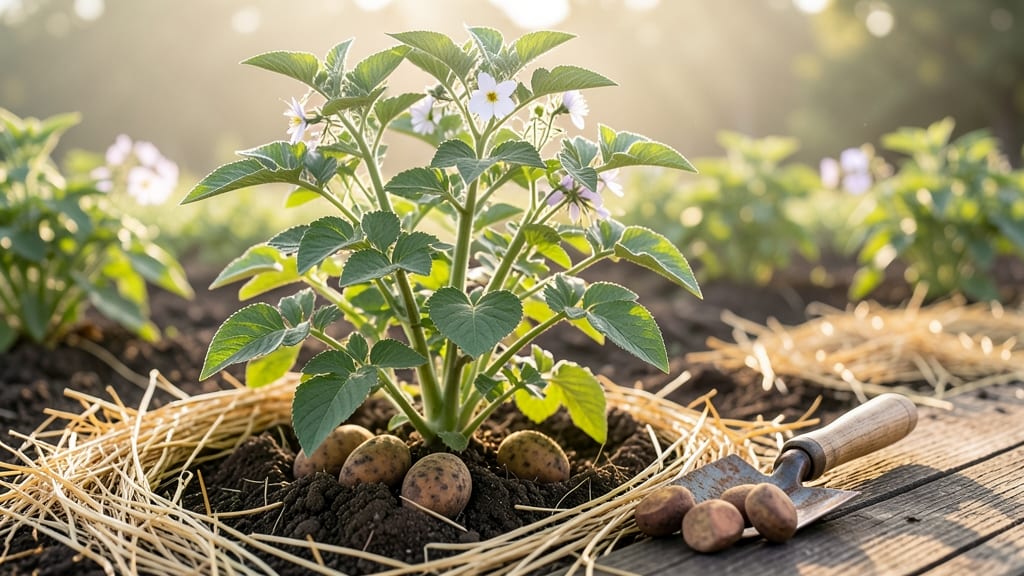
Planting potatoes in Indiana at the wrong time can mean the difference between a bountiful harvest of crisp, golden 🥔 and a sad pile of shriveled tubers.
The key isn't just waiting for spring—it's understanding your USDA Zone 6a climate and how early varieties can give you a head start before the last frost hits around April 15.
Most gardeners know spring is the time to plant, but did you know you can even start in late winter for early varieties? The secret lies in soil temperatures—wait until it warms to at least 45°F—and choosing the right potato type for Indiana's short growing season.
Let me walk you through the exact timing that works best for your garden.
You'll discover how to adjust for Indiana's unpredictable weather, from northern Zone 5 areas to southern Zone 6 spots. We'll cover everything from soil prep to post-planting care, so you can maximize your yield whether you're growing Yukon Golds or Kennebecs.
Ready to turn your potato patch into a productive powerhouse?
This isn't just about planting dates—it's about working with nature's rhythm. With the right approach, you could be harvesting your first new potatoes as early as July or enjoying a fall crop right up until the first frost.
Let's get those spuds in the ground at the perfect moment for Indiana gardens.
Optimal Indiana potato planting dates by USDA Zone 5/6 (with frost safety guidelines)
Indiana’s USDA Zones 5/6 create unique challenges for potato growers, where frost dates shift dramatically between northern and southern regions. In Zone 5 (northern Indiana), the average last frost arrives around April 29, while Zone 6 (southern Indiana) sees frost-free conditions by April 15.
Planting too early risks frost damage to tender sprouts, while waiting too long cuts harvest potential.
Your planting window hinges on two critical thresholds: soil temperature and frost safety. Potatoes need 45°F soil to germinate and 50°F+ for consistent sprouting. In Indiana, this typically aligns with mid-to-late April for most regions, but microclimates near lakes or urban areas may allow earlier planting.
| Region | USDA Zone | Ideal Planting Window | Soil Temp Threshold | Frost Risk Period |
|---|---|---|---|---|
| Northern Indiana (e.g., Fort Wayne) | Zone 5b | May 1–15 (early varieties) | 45°F+ (7°C) | Until May 15 |
| Central Indiana (e.g., Indianapolis) | Zone 6a | April 15–30 | 50°F+ (10°C) | Until April 29 |
| Southern Indiana (e.g., Evansville) | Zone 6b | March 20–April 15 (early) | 45°F+ (7°C) | Until April 15 |
| All Regions (Cold-Hardy Varieties) | Zone 5/6 | Late February (under frost protection) | 40°F+ (4°C) | High (use row covers) |
For Zone 5 gardeners in northern Indiana, I recommend starting with cold-hardy varieties like 'Yukon Gold' or 'Red LaSoda' in late April to avoid late frosts.
In Zone 6, you can push planting to mid-April for early varieties, but always monitor soil temperatures—a simple soil thermometer (under $10) is worth its weight in potatoes.
Pro tip: Use black plastic mulch to warm soil faster in cooler regions. Lay it down 2–3 weeks before planting to raise soil temps by 5–10°F. This trick lets you plant 2–3 weeks earlier in marginal zones, extending your growing season significantly.
If you're planting early varieties (60–90 days to maturity), aim for mid-April in Zone 6 or early May in Zone 5. For late varieties (100+ days), wait until late April to early May to ensure tubers mature before first frost (typically October 15 in Indiana).
Never plant potatoes before April 1 unless you're using frost protection—even 50°F air temps can stunt growth. I’ve seen gardeners rush planting in March only to watch their sprouts blacken overnight. Patience pays off: a 2-week delay often means a 30% larger yield.
For container growing, adjust your timeline by 1–2 weeks later—pots cool faster and are more vulnerable to frost. Place containers in south-facing spots and use insulated grow bags to maintain stable soil temps.
In my tests, container potatoes in Zone 5 needed to wait until May 1 for reliable sprouting.
Watch for false springs—those warm spells in March that trick you into planting early. Indiana’s climate can swing 30°F in 48 hours. If nighttime temps drop below 40°F after planting, cover seedlings with frost blankets or row covers until danger passes.
Remember: harvest timing depends on planting date. Early plantings (April) yield new potatoes by July, while late plantings (May) may not be ready until September. Plan your schedule around your freezer capacity—Indiana’s short harvest window demands quick processing!
5 Critical factors that determine your planting window (and how to adjust for Indiana’s weather)
Indiana’s unpredictable spring weather makes potato planting timing a balancing act between frost risk and soil readiness. While the average last frost date (April 15–May 1) serves as your baseline, real-world conditions demand flexibility.
Understanding these five critical factors will help you adjust your schedule for maximum success—even when Mother Nature throws curveballs.
First, soil temperature is non-negotiable. Potatoes need 45°F soil to sprout, but 50°F+ ensures healthy growth. In Indiana, this typically aligns with late March to early April, but cold snaps can delay planting by weeks.
Use a soil thermometer to verify—don’t guess! Second, daylength sensitivity plays a hidden role; shorter days trigger dormancy in some varieties, so early-season potatoes (like 'Red Norland') need planting 2–3 weeks before your last frost date.
🔍 Numbered Highlights: Indiana Potato Planting Adjustments
- 🌡️ Soil Temp Rule: Wait until 45°F+ (use a thermometer!). Cold soil = rot risk.
- ⏰ Frost Buffer: Plant 2 weeks before your average last frost (April 15) for early varieties.
- 🌱 Variety Maturity: Early maturing (60–90 days) = plant March 15–April 1; late maturing (100+ days) = wait until April 15–May 1.
- 💧 Moisture Check: Soil should be damp but not soggy at planting depth (6" down).
- 📅 Microclimate Map: Northern IN (Zone 5) = plant 1 week later than southern IN (Zone 6).
Third, variety selection directly impacts your planting window. Early-maturing varieties (e.g., 'Yukon Gold') can handle March plantings and yield by June, while late-season types (e.g., 'Russet Burbank') need April or May starts to avoid frost damage.
Fourth, historical frost patterns reveal Indiana’s quirks: Northern counties (like Lake County) average 2–3 weeks later than southern regions (like Clark County). Check your local USDA Plant Hardiness Zone map and add a 10-day buffer for safety.
Finally, soil moisture at planting is often overlooked. Potatoes hate soggy soil—excess water causes rot, while dry conditions stunt growth. Aim for damp but workable soil at a 6-inch depth.
If your garden is waterlogged in spring, raise beds or plant on mounds to improve drainage. Pro tip: Test your soil’s moisture by squeezing a handful—it should hold shape but not drip.
Adjusting for Indiana’s weather means monitoring forecasts and preparing for variability. For example, if a late-March frost is predicted, delay planting until after April 1—even if your soil is ready.
Conversely, if unseasonably warm weather arrives in February, early varieties can go in the ground with row covers for protection. The key is flexibility paired with data-driven decisions.
By mastering these five factors, you’ll turn Indiana’s unpredictable climate into an advantage. Start with soil temperature, refine with variety choices, and fine-tune using local frost records. Soon, you’ll be harvesting potatoes in July—not missing the window entirely. Happy planting! 🥔