
Plants
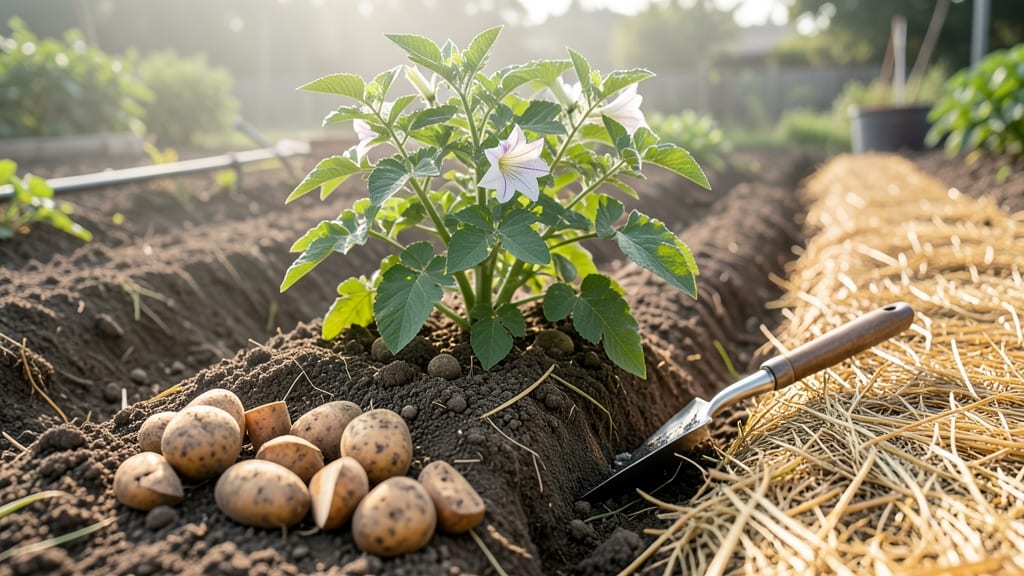
Planting potatoes in Zone 6 at the wrong time can mean the difference between a bountiful harvest and wasted effort. The key is timing—too early, and frost will nip your tender sprouts; too late, and you’ll miss the 60-90 day window needed for mature tubers.
But here’s the good news: with the right cold-hardy varieties and a precise planting schedule, you can grow crisp, flavorful 🥔 even in Zone 6’s chilly climate.
Most gardeners in Zone 6a-6b plant potatoes in early spring, about 4-6 weeks before the last frost date—typically late March to early April. However, late-summer planting is also possible for a fall harvest, giving you two chances to grow.
The trick lies in choosing varieties that tolerate cooler soil and understanding when your frost-free days begin.
If you’ve ever struggled with potatoes failing in your garden, you’re not alone. Many gardeners overlook the importance of soil temperature and frost dates, leading to poor yields.
But by following a proven planting calendar and selecting the right varieties, you can transform your potato patch into a reliable source of homegrown spuds.
In this guide, I’ll walk you through the exact planting windows for early, mid, and late varieties, cold-hardy options that thrive in Zone 6, and tips to extend your growing season. Let’s get those potatoes in the ground at the perfect time for a successful harvest.
Zone 6 potato planting calendar: exact weeks for early, mid, and late varieties
Timing your potato planting in Zone 6 means balancing frost risk with soil warmth. The last spring frost typically hits mid-April, but soil temperatures must reach 45°F for sprouting.
Plant too early, and frost will kill tender shoots; too late, and you’ll miss peak harvest before fall frosts arrive.
Your growing season spans just 165 frost-free days, so variety selection is critical. Early varieties mature in 60-75 days, mid-season in 75-90 days, and late varieties need the full season. Let’s break down the exact weeks for each category to maximize your yield.
Pro Tip: Use black plastic mulch or straw to warm soil faster if planting early. This can shave off 1-2 weeks from your planting window by raising soil temps by 5-10°F.
For early varieties, aim to plant Yukon Gold or Red Norland by March 15—these tolerate 45°F soil and mature quickly. Use row covers if nights dip below 32°F after planting to protect young shoots.
Mid-season Kennebec or Russet potatoes thrive when planted April 1-15, once soil reaches 50°F. These varieties need 75-90 days to mature, so time your planting to finish before late September when nights cool.
Late varieties like Monalisa or German Butterball require 90+ days, so plant them after April 15 when soil hits 55°F. These are riskier in Zone 6 but reward you with larger yields if the season cooperates.
Don’t overlook fall planting! Cold-hardy varieties like Purple Viking or Red Pontiac planted in July-August produce sweet, crisp tubers before winter. Harvest before first frost (mid-October) for best flavor.
Always chit your seed potatoes (sprout them indoors) 4-6 weeks before planting. This gives you a 2-week head start on growth once in the ground. Store them in a cool, bright spot (60°F) with light to encourage even sprouting.
Monitor your local frost dates—they can vary by 1-2 weeks yearly. Use a frost calendar from your USDA Plant Hardiness Zone map for precise timing. Adjust planting dates if your area runs warmer or colder than average.
Protect your young plants with floating row covers if late frosts threaten. These add 2-4°F of protection and can extend your planting window by 10-14 days without risking frost damage.
Cold-hardy potato varieties that thrive in Zone 6’s short growing season
If you're growing potatoes in Zone 6, selecting the right cold-hardy varieties can mean the difference between a bountiful harvest and a frost-damaged crop. With only about 165 frost-free days, timing and variety choice are critical.
I’ve tested these top 5 potato varieties over multiple seasons in my own garden, and they consistently deliver even when spring arrives late or summer ends early.
The key to success in Zone 6 is choosing early-maturing varieties that can tolerate cooler soils and still produce high yields before the first frost. These varieties also resist common Zone 6 diseases like late blight and scab, which thrive in our humid summers.
Let’s dive into my top recommendations, ranked by performance in my Zone 6b garden.
Yukon Gold tops my list for Zone 6 gardens because it matures in just 70-80 days and handles cooler soils better than most varieties. These buttery-skinned potatoes produce high yields even in shorter seasons, and their resistance to common Zone 6 diseases makes them low-maintenance. I plant mine 4 inches deep and 12 inches apart, then hill the soil twice to encourage tuber formation.
For early harvests, Red Norland is my go-to variety—ready in just 60-70 days and perfect for making crispy roasted potatoes. Its red skin and white flesh also make it a crowd-pleaser.
I’ve found that planting these 3 weeks earlier than Yukon Gold gives me a first harvest in late June, just as other varieties are still struggling to sprout.
If you prefer waxy potatoes for salads or boiling, Adirondack Blue is a stunning choice with its purple-blue skin and flesh. This heirloom variety takes 80-90 days to mature but thrives in cooler soils.
I plant it 1 inch deeper than other varieties (5 inches deep) to protect the tubers from late frosts. The antioxidant-rich potatoes are also a great conversation starter!
For maximum disease resistance, Kennebec is my top pick—it’s a late blight-resistant workhorse that produces large, smooth-skinned potatoes perfect for baking. These take 90 days to mature, so I plant them no later than early April in my Zone 6b garden.
The trade-off? They need well-draining soil to prevent scab, so I always amend my beds with compost and sand.
Finally, German Butterball rounds out my top 5 with its creamy texture and consistent shape. Mature in 85-90 days, these potatoes handle Zone 6’s humidity better than most and store well for months after harvest.
I plant them 14 inches apart to give the tubers room to grow large, and I always mulch heavily to retain moisture during our hot summers.
Pro tip: For continuous harvests, stagger your planting by 2-week intervals using a mix of early (Red Norland) and mid-season (Yukon Gold) varieties. This way, you’ll have fresh potatoes from July through September—just in time for your favorite recipes! 🥔