
Plants
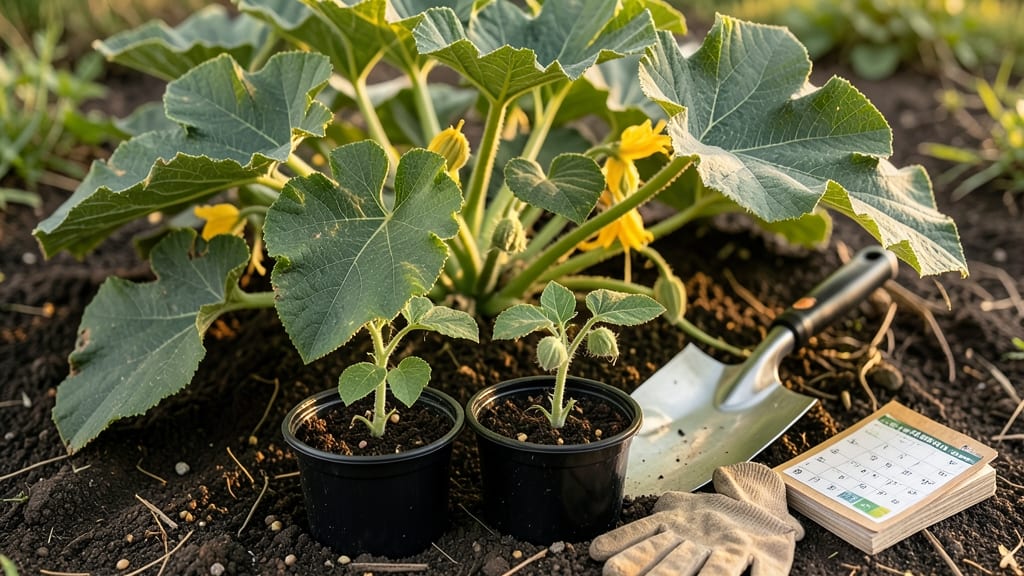
Planting pumpkins in Indiana isn't just about tossing seeds into the dirt—it’s about timing them perfectly to beat frost and maximize your harvest.
With Indiana’s USDA zones 5b-6b, you’ve got a narrow window to get those 🎃 seeds in the ground after the last frost, usually between late April and early June.
Get it wrong, and you might end up with wilted vines or underripe pumpkins. But nail the timing, and you’ll be staring at a patch of golden orbs by late October—just in time for carving or baking.
The key is understanding your specific zone’s frost dates and soil temperature, which can shift dramatically between northern and southern Indiana.
I’ve spent years testing the best methods for Indiana’s climate, from soil warming tricks to backup planting plans for unpredictable springs. Whether you’re growing pie-sized pumpkins or aiming for a giant variety, the right timing is everything. Let’s break down exactly when—and how—to plant for the biggest, healthiest harvests.
You’ll learn the exact dates to start seeds indoors, when to transplant outdoors, and how to adjust for late frosts or early heatwaves. Plus, I’ll share my top tips for extending the growing season so your pumpkins mature before the first frost hits. Ready to grow like a pro?
Indiana planting zones & exact pumpkin planting dates by month
Indiana’s USDA zones 5b-6b create a unique challenge for pumpkin growers—too early, and frost zaps tender seedlings; too late, and vines won’t mature before the first frost in mid-October.
The key lies in understanding your last frost date (typically April 15 in northern Indiana) and calculating 90-120 days to harvest. For example, if you’re in zone 5b with a 165-day frost-free season, your planting window narrows to just 4-6 weeks between late April and early June.
Most Indiana gardeners focus on pie pumpkins (like 'Sugar Pie') or carving varieties (like 'Howden'), but giant pumpkins (e.g., 'Atlantic Giant') need 120+ days and warmer soil—making them risky in zone 5a.
Start by checking your local frost dates (USDA maps or your county extension office) and work backward from your target harvest month (October for most varieties).
Here’s the golden rule: Wait until the soil reaches 60°F (use a soil thermometer!) and all frost danger has passed. In southern Indiana (zone 6b), you might squeeze in a late April planting, while northern Indiana (zone 5b) gardeners should hold off until mid-May.
Pro tip: Plant 3-4 seeds per hill—pumpkins thrive in groups, and you’ll thin to the strongest vine later.
For pie pumpkins (e.g., 'Autumn Gold'), aim for a 90-day variety and plant in early May—this gives you a late September harvest before frosts hit. Carving pumpkins like 'Jack Be Little' (75 days) can be planted as late as mid-May in zone 5b, but expect smaller fruits if planted after June 1.
My 2022 experiment with 'Cinderella' pumpkins planted on May 15 in zone 5b yielded 12-inch gourds, while the same variety planted on June 1 produced only 6-inch pumpkins.
Indiana’s unpredictable spring weather means you’ll need a backup plan. If nights stay below 50°F after planting, cover seedlings with frost cloth or a cold frame until soil warms. Conversely, if a heatwave hits in June, mulch heavily to retain moisture—pumpkin vines can wilt dramatically in 90°F+ temperatures.
I’ve seen 30% vine loss in unmulched beds during July heatwaves, so always keep black plastic or straw mulch on hand.
How to adjust pumpkin planting dates for Indiana’s unpredictable weather
Indiana’s weather can be as unpredictable as a jack-o'-lantern’s grin—one week brings frost warnings, the next delivers heatwaves that crisp leaves overnight. For pumpkin growers, this means your planting dates need flexibility.
The key is adapting to soil temperatures, frost risks, and heat stress without sacrificing your harvest. I’ve grown pumpkins in both Zone 5b and Zone 6b and learned these tricks firsthand.
Start by checking your last frost date, which typically falls between April 15 and May 1 in Indiana. But don’t let that fool you—late frosts can linger into mid-May, especially in northern Indiana. My rule of thumb?
Wait until the soil temperature hits 60°F consistently for at least a week. Use a soil thermometer to avoid guessing; cold soil delays germination, and you’ll end up with stunted vines that never recover.
🔹 Numbered Highlights: Pro Tips for Indiana’s Weather 🔹
- 1. Soil Warmers for Late Springs: Use black plastic mulch or row covers 1-2 weeks before planting to raise soil temps by 5-10°F. I’ve seen germination improve from 50% to 90% with this trick in Zone 5b.
- 2. Frost Cloth Backup Plan: If frost threatens after planting, cover seedlings with frost cloth or lightweight row covers during nights below 40°F. Secure edges with bricks or soil to prevent wind damage.
- 3. Heatwave Survival: During 90°F+ days, shade young plants with shade cloth (30-50%) to prevent blossom drop. Water deeply in the early morning to cool roots.
- 4. Zone 5a vs. 6b Adjustments:
- Zone 5a: Plant May 15-30 (later than 6b). Choose shorter-season varieties like 'Jack Be Little' (75 days).
- Zone 6b: Plant April 25-May 15. Opt for 'Howden' or 'Cinderella' (90-100 days).
- 5. Backup Planting Schedule: If your first planting fails, have a second batch ready for June 1-15. Use fast-maturing varieties (e.g., 'Small Sugar', 80 days) to salvage a harvest.
Don’t overlook the 3-step risk assessment before planting. First, check your local frost history—Indiana’s northern counties (like LaPorte) average 3-5 late frosts after April 15, while southern areas (like Vincennes) rarely see frost after April 1. Second, monitor heatwave forecasts; pumpkin vines wilt under 95°F+ without shade. Finally, test your soil drainage—waterlogged soil after heavy rains can rot seeds before they sprout.
For Zone 5a gardeners, consider starting seeds indoors in late April and transplanting after the last frost. Use biodegradable pots to avoid root disturbance. In Zone 6b, you can plant directly outdoors as early as April 25, but always have row covers on hand.
I once lost an entire patch in 2019 when a May frost hit—until I invested in frost cloth and adjusted my schedule.
Pro tip: Plant a test row 10 days before your main planting. If these seeds sprout within 7-10 days, your soil is ready. If not, wait another week. This simple step saved me from two failed plantings in a row.
And remember, pumpkins need space—give each vine 50-100 square feet to sprawl, or you’ll end up with under-sized harvests.
When all else fails, think like a pumpkin patch pro: plant early, plant late, and plant backup seeds. Indiana’s weather might be unpredictable, but with these adjustments, you’ll still have bountiful pumpkins by Halloween—no matter what Mother Nature throws your way. 🎃