
Plants
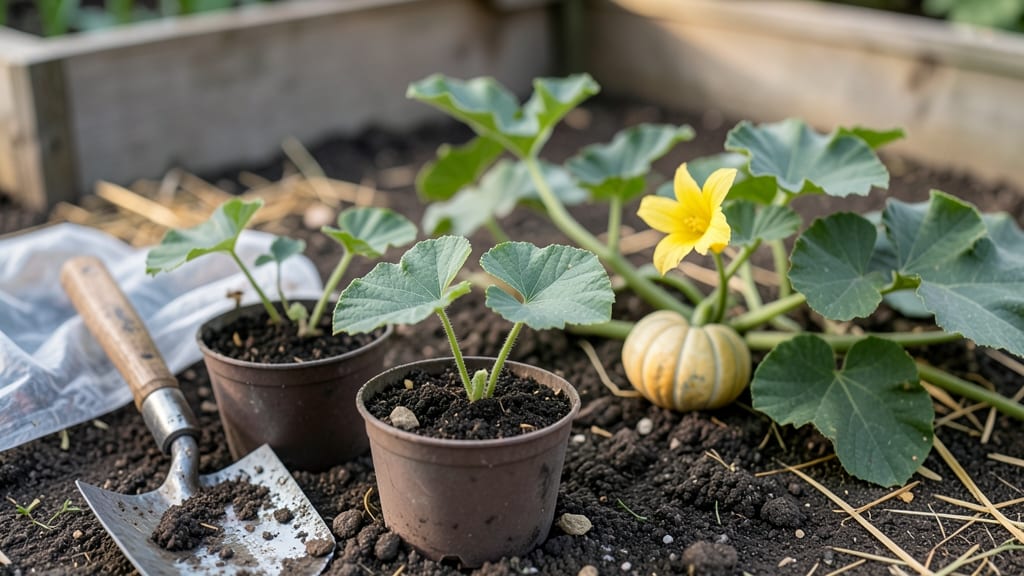
Planting pumpkins in Kentucky isn’t just about grabbing seeds and tossing them into the dirt—timing is everything, and one wrong move could mean wasted effort or a crop lost to frost.
With USDA zones 6a-7a and a growing season that spans just 165 frost-free days, Kentucky gardeners face a tight window to get it right.
Most gardeners in Kentucky plant their pumpkin seeds between mid-April and early June, but the exact moment depends on your region’s last frost date—whether you’re in the cooler Bluegrass region or the slightly warmer Pennyrile area.
The key is waiting until soil temperatures hit at least 70°F, which usually aligns with late April or early May, depending on the year.
Direct sowing is the preferred method for pumpkins, but if you’re transplanting seedlings, you’ll need to time it perfectly to avoid shock. And here’s the kicker: planting too early can leave your 🎃 vulnerable to late frosts, while waiting too long might cut your harvest short before fall’s first chill.
Let’s break down the best strategies for your specific zone.
You’ll also discover how to extend your growing season with simple tricks—like choosing the right pumpkin variety or using row covers—to squeeze every last bit of productivity out of Kentucky’s short but sweet harvest window. Ready to grow a bumper crop? Let’s get started.
Kentucky’s pumpkin planting calendar by hardiness zone (with frost dates)
Kentucky’s USDA hardiness zones 5-7 create distinct planting windows for pumpkins, where soil temperature and frost risk dictate success. In the Bluegrass region (zone 6), gardeners typically plant 2-3 weeks earlier than in Pennyrile (zone 7), thanks to cooler spring nights.
The key? Waiting until soil reaches 60°F+—cold soil slows germination, leaving tender seedlings vulnerable.
Your last frost date isn’t just a calendar number—it’s a moving target. Louisville’s average last frost is April 15, but Paducah’s can linger until April 25. Planting too soon risks frost damage to young vines, while waiting too long cuts your harvest window.
For direct sowing (the preferred method), aim for mid-April to early June—but always confirm with a soil thermometer.
Here’s the critical comparison for Kentucky’s pumpkin planting zones, including regional frost dates, soil temp requirements, and planting methods:
| Zone | Avg. Last Frost | Ideal Planting Window | Soil Temp Requirement | Method | Notes |
|---|---|---|---|---|---|
| 5 (Northern KY) | April 20–May 5 | Late May–early June | 60°F+ (15°C+) | Direct sow only | Use row covers for early starts |
| 6 (Bluegrass) | April 10–20 | Mid-April–early May | 60°F+ (15°C+) | Direct sow or transplant | Best for 'Sugar Pie' (75-day) |
| 7 (Pennyrile) | March 25–April 10 | Late March–April | 60°F+ (15°C+) | Direct sow or transplant | Try 'Howden' for longer season |
For transplanting, start seeds indoors 3-4 weeks before your region’s last frost. Use biodegradable pots to avoid root disturbance—pumpkin roots are sensitive to transplant shock. Harden off seedlings for 7-10 days before moving them outdoors, especially in zone 5, where nights remain chilly.
Kentucky’s microclimates matter more than you’d think. A south-facing slope in Lexington warms up 1-2 weeks earlier than a north-facing valley. Test your soil’s warmth with a soil thermometer—pumpkin seeds won’t sprout below 60°F.
If your soil is cold, use black plastic mulch to raise temperatures 5-10°F faster.
Pro tip: Direct sowing is easier for Kentucky gardeners because pumpkins hate root disturbance. Plant 5-6 seeds per hill, spacing hills 4-6 feet apart—pumpkin vines spread 10-20 feet!
Thin to the 2 strongest plants per hill once vines are 3-4 inches tall. This gives you extra plants for compost or shorter vines to manage.
If you’re in zone 7 and want a fall harvest, consider succession planting in early July. Choose fast-maturing varieties like 'Jack Be Little' (85 days) to beat the first frost. Just remember: July-planted pumpkins need consistent watering to compensate for shorter daylight in late summer.
Avoid the common Kentucky mistake of planting pumpkins too close to corn. Corn steals nutrients and attracts squash vine borers, which devastate pumpkin vines. Instead, plant near nasturtiums or marigolds—they repel pests naturally. And never skip mulch; it keeps soil moist and prevents sunscald on pumpkins.
Your harvest window in Kentucky runs from late September to October, but first frost can sneak in as early as October 15. Watch for hard rinds and dull stem ends—these are your cues to harvest.
Store pumpkins in a cool, dry place (50-55°F) to extend shelf life for 2-3 months.
🎃
5 Critical factors that determine your exact pumpkin planting window
Planting pumpkins in Kentucky isn’t just about checking the calendar—it’s about understanding soil temperature, variety maturity, and local pest risks. While frost dates give a starting point, these 5 critical factors will help you pinpoint the perfect window for your garden.
Skipping any of them could mean wasted seeds or missed harvests.
First, soil warmth is non-negotiable. Pumpkin seeds need soil temperatures of at least 70°F to germinate properly. A simple soil thermometer ($10 at garden centers) will save you from planting too early and watching your seeds rot in cold soil.
I’ve seen gardeners in Louisville wait until late May just to get the right conditions.
Next, consider your pumpkin variety’s maturity. Fast-maturing varieties like 'Jack Be Little' (85 days) give you flexibility, while heirlooms like 'Howden' (120 days) need an earlier start. Kentucky’s growing season averages 165 frost-free days, so match your variety to your last frost date.
Don’t overlook seed viability. Old seeds may sprout weakly or not at all. Test viability by soaking seeds in water—if they sink, they’re likely good. For extra peace of mind, buy fresh seeds from reputable suppliers. I’ve had 3-year-old seeds fail me twice in Bowling Green.
Here’s where Kentucky’s unique pests come into play. The squash vine borer is a nightmare across the state, especially in humid summers. Planting too early gives these pests more time to attack. I’ve lost entire hills of pumpkins to borers when I planted in April instead of waiting for May.
Finally, prepare your planting site properly. Amend soil with compost, ensure good drainage, and space hills 6 feet apart to prevent disease spread. A pre-planting checklist keeps you organized—more on that below.
- 1 Soil Temperature: Wait until soil reaches 70°F+ (use a thermometer!). Cold soil delays germination by weeks.
- 2 Variety Maturity: Fast varieties (85 days) work for late starts; long-season types (120 days) need early planting. Check seed packets!
- 3 Seed Viability: Test old seeds by floating them—sinkers are viable. Buy fresh seeds if unsure (saves heartache later).
- 4 Pest Pressure: Squash vine borers thrive in Kentucky’s humidity. Plant no earlier than after last frost to reduce risk.
- 5 Site Prep: Amend soil with compost, ensure drainage, and space hills 6+ feet apart to prevent disease spread.
Pro tip: Use black plastic mulch to warm soil faster and suppress weeds. I’ve seen it cut planting time by 10-14 days in cooler Kentucky springs. Pair this with a row cover for early starts if frost threatens.
For a foolproof approach, combine these factors with Kentucky’s 165-day frost-free window. Start counting backward from your first frost date—this gives you your harvest deadline. For example, if frost hits October 15, plant by June 1 for a 120-day variety.
Remember: Patience pays off. Rushing leads to weak plants, while waiting ensures strong vines and bumper crops. Grab your soil thermometer, check those seed packets, and mark your calendar—your perfect pumpkin planting window is waiting!